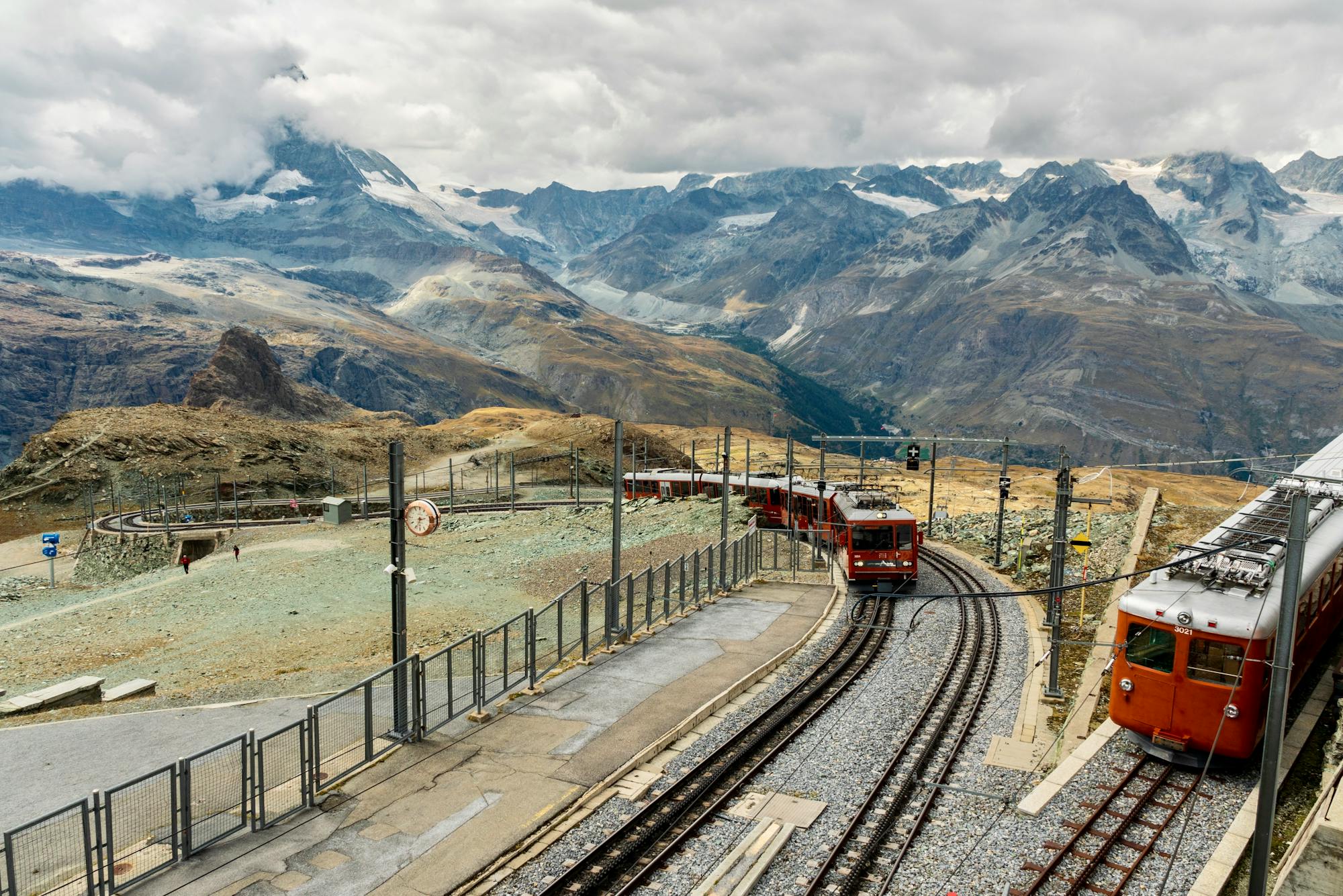
Switzerland is a small country that feels impossibly large — four linguistic regions, 26 cantons, mountain passes that have shaped European history, lakes of impossible turquoise clarity, and a concentration of natural beauty and human ingenuity that few countries of any size can rival. Precision, punctuality, and quality pervade everything from the train timetables to the cheese — and travelling here is one of Europe's most rewarding experiences, even if it is also one of the most expensive.
Things to Do in Switzerland
Best Things to Do in Switzerland
Switzerland packs a lot into a small country: iconic peaks, scenic lakes, efficient transport, rich history, and memorable food. The best things to do in Switzerland range from rail journeys and mountain excursions to lake cruises, old-town walks, and alpine adventures, so the right plan depends on what kind of trip you want. Whether you want to explore Switzerland through its beautiful cities, quieter towns, or outdoor highlights, it is a perfect destination for couples, solo travelers, and every family traveling with kids who want a mix of scenery and fun. We selected these experiences based on how worthwhile they are for a first or repeat visit, how easy they are to reach, and how strongly they represent what makes the country special—so you can start planning with confidence.
How We Chose the Best Activities
We focused on the experiences that consistently shape a memorable Switzerland itinerary: scenery, accessibility, local history, standout food experiences, family appeal, and transport convenience. We also favored options that are easy to combine in one region, whether that means classic rail access, lake connections, or well-organized mountain excursions.
Best 8 Activities for Things to Do in Switzerland
1. Take a scenic rail journey across the Swiss Alps
One of the most rewarding ways to see Switzerland is by rail, especially if you value comfort as much as scenery. The country's rail network turns everyday transfers into part of the experience, from famous alpine crossings to high-altitude stations.
Why It Stands Out
Few places make train travel this effortless. A classic train journey on the Glacier Express or Bernina Express combines panoramic views with constant shifts in landscape, from valleys and villages to the high Swiss Alps. The Glacier Express is known as the slowest express train in the world, which is exactly why so many travelers love it: you get more time to enjoy the stunning landscapes, stunning scenery, and mountain views along the route. Another rail highlight is Jungfraujoch, the highest train station in Europe, while engineering fans should note that the Gotthard Base Tunnel is 57 km long and the deepest rail tunnel.
Best For
Travelers who want to see the Alps and mountains without driving, and anyone building a flexible itinerary around public transport.
Key Strengths
The Swiss Travel Pass offers unlimited travel across the network
Glacier Express and Bernina Express both deliver breathtaking views and spectacular views
Easy access to major regions, scenic stops, and world-famous rail experiences
Possible Limitations
Premium scenic services can require reservations
Peak routes are weather dependent for the best visibility
2. Ride up Mount Pilatus from Lucerne
If you want a classic mountain day without complicated logistics, Mount Pilatus is one of the easiest wins in central Switzerland. It works especially well as a day trip from Lucerne and combines transport, scenery, and time on the water.
Why It Stands Out
Mount Pilatus brings together several of the country's signature experiences in one outing. You can go up by cable car, descend by the Pilatusbahn, or reverse the order depending on the season. The Pilatusbahn is the steepest cogwheel train in the world, which makes it one of the standout mountain railways anywhere. At the top, the observation deck opens up panoramic views across nearby mountain peaks and the surrounding lake landscape. Below, Lake Lucerne is perfect for exploring by boat and hiking, and boat cruises are available on Lake Lucerne if you want to turn the excursion into a round-trip scenic circuit.
Best For
Visitors based in Lucerne who want an efficient mountain excursion with minimal planning.
Key Strengths
Multiple transport options make it easy to tailor the outing
Strong mix of summit views and water access
One of the most convenient high-value experiences in central Switzerland
Possible Limitations
Visibility can change quickly in poor weather
Summer is busy, especially around mid-day departures
3. Explore the Bernese Oberland and Jungfrau Region
For many travelers, this is the heart of alpine Switzerland. The Bernese Oberland and nearby Jungfrau Region combine famous peaks, storybook villages, waterfalls, and some of the country's best outdoor access.
Why It Stands Out
This region offers the broadest mix of classic mountain experiences, from easy valley strolls to demanding trails in the Bernese Alps. Hiking is popular in Switzerland, and few places show why better than this area: the Bernese Oberland has over 500 km of hiking trails, and Switzerland has well-maintained hiking trails for all skill levels. If you want a manageable option, the Eiger Trail is 6.1 km long and takes about two hours. Along the way, you can hike, walk, or simply wander between villages, viewpoints, and alpine meadows with excellent vantage points over cliffs and glaciers. The Jungfrau Travel Pass covers trains, boats, and lifts in the Jungfrau Region, which makes moving around much easier. The Lauterbrunnen Valley is especially memorable, and it famously inspired J.R.R. Tolkien's Rivendell. Across the region, hiking in Switzerland offers breathtaking views of the Alps at almost every turn.
Best For
Active travelers, photographers, and anyone who wants a deeper mountain stay rather than a single summit stop.
Key Strengths
Exceptional transport coverage for a large scenic area
Great range of trails, villages, and viewpoints
Works for both casual sightseeing and serious outdoor days
Possible Limitations
Costs add up quickly if you do multiple lifts and rail segments
Popular villages can feel crowded in peak season
4. See the Matterhorn from Zermatt
Zermatt is one of the country's signature mountain resorts, and the main reason is simple: the Matterhorn. If you want a single Swiss peak that defines the national image, this is it.
Why It Stands Out
The Matterhorn is Switzerland's most famous peak, stands at 4,478 meters, and remains the mountain many travelers most want to see in person. One of the classic ways to view it is from the Gornergrat railway, which frames the summit against glaciers and open alpine terrain. Another major excursion is the ride to Klein Matterhorn, with modern lifts and cable systems connecting Zermatt to high viewpoints and glacier areas. This whole area is built around panoramic views and stunning views of the high Swiss Alps.
Best For
Travelers who want an iconic alpine destination with easy access to dramatic scenery.
Key Strengths
Home to the country's most recognizable peak
Excellent lift and rail infrastructure for sightseeing
Strong mix of village atmosphere and big-mountain scale
Possible Limitations
Zermatt is expensive compared with many other bases
Cloud cover can obscure the summit
5. Cruise Lake Geneva and discover Switzerland's lake regions
If mountains are only half the story for you, Switzerland's lakes deserve equal time. A lake-focused itinerary adds boat rides, vineyard scenery, waterfront towns, and city sightseeing in a more relaxed rhythm.
Why It Stands Out
Lake Geneva is the largest lake in Switzerland, and boat cruises run on Lake Geneva throughout the main travel season. The shoreline combines elegant cities, historic landmarks, and scenic villages, with Geneva serving as a strong base for culture and lakeside access. In the city, the Palais des Nations links the United Nations to local sightseeing and modern diplomatic history. Farther along the shore, Château de Chillon dates back to Roman times and is one of the clearest must visit landmarks in the region. The Lavaux Vineyard Terraces, with their terraced vineyards, are a UNESCO World Heritage site and add one of the country's most distinctive cultural landscapes. If you enjoy active events, the Tour du Léman à l'Aviron is the longest rowing race in the world. Beyond this region, Lake Lugano offers a softer Mediterranean feel near Italy, while Lake Zug is a quieter option for a slower pace. Across these crystal clear lakes, a boat-based tour is one of the easiest ways to appreciate changing shoreline scenery and, if you are driving between regions, some stunning mountain passes nearby.
Best For
Travelers who want a mix of cities, wine scenery, culture, and easy lakefront experiences.
Key Strengths
Balanced mix of nature, history, and urban sightseeing
Excellent options for cruising and day stops
Distinct personalities across several lake regions
Possible Limitations
Weather matters more for lakeside plans than museum-heavy itineraries
Best spread over multiple stops rather than rushed into one day
6. Walk the old towns and discover Lucerne's historic charm
Not every highlight in Switzerland happens at altitude. Some of the most enjoyable moments come from slowing down in old centers, crossing bridges, and taking in architecture beside the water.
Why It Stands Out
Lucerne is one of the most appealing examples, pairing a compact center with a dramatic setting. It is one of those beautiful cities where you can walk for hours, wander the lanes, and still keep finding something photogenic. The Kapellbrücke was originally constructed in the 14th century, making it one of the city's defining historic sights. This kind of setting shows how Swiss history and natural scenery can sit side by side in a way that feels both accessible and stunning.
Best For
Travelers who want culture, architecture, and an easy-paced break between mountain days.
Key Strengths
Compact and easy to explore on foot
Strong mix of waterfront views and heritage sites
Works well in all seasons
Possible Limitations
Smaller old towns can be covered quickly
The most central areas get crowded during peak hours
7. Taste Swiss chocolate and cheese
Food is a major part of the travel experience here, and Switzerland does a few things exceptionally well. If you want a more sensory break from transport and viewpoints, make room for local specialties.
Why It Stands Out
Switzerland invented milk chocolate in 1875, and Swiss people consume about 8.8 kg of chocolate per person annually, so this is not a side note in the national identity. You will find everything from classic bars to tasting sessions, with dark chocolate often offered as a richer option alongside sweeter styles. Cheese matters just as much: fondue is a traditional Swiss dish made with melted cheese, while raclette is another popular Swiss cheese dish, often melted and served with potatoes. For a more hands-on stop, the Emmental Show Dairy demonstrates traditional Swiss cheese-making methods. Together, these tastings turn simple meals into memorable food and drink experiences, with plenty of delicious treats along the way.
Best For
Travelers who want culture through cuisine, especially in colder months or on relaxed city days.
Key Strengths
Deeply tied to Swiss identity
Easy to add to almost any itinerary
Great for couples, groups, and mixed-interest travelers
Possible Limitations
Premium tastings can be pricey
Some rural factory visits require advance logistics
8. Mix outdoor adventure with waterfalls, bridges, and national park scenery
If you want more than classic sightseeing, Switzerland also delivers on active experiences. This is where you find suspension bridges, waterfalls, biking, and protected landscapes in the Swiss countryside.
Why It Stands Out
Rhine Falls is Europe's largest waterfall, and you can experience it from the water via a thrilling boat ride. Nearby, Stein am Rhein is known for its well-preserved medieval town, making it a smart pairing if you want both nature and heritage in one outing. For bigger adrenaline, the Tissot Peak Walk is the world's only peak-to-peak suspension bridge, and Peak Walk By Tissot is also the world's first suspension bridge connecting two mountain peaks. The Charles Kuonen Suspension Bridge is 494 meters long, while the GoldenEye Bungee Jump is 220 meters high. Nature lovers should also look beyond the headline sites: Swiss National Park is Switzerland's oldest national park and a great place to see a quieter side of the mountains on a scenic route or longer hike. Lake Oeschinensee is another standout, with stunning water views and a toboggan run. Switzerland also has an extensive network of biking routes, so this category works well for travelers who want movement built into the itinerary.
Best For
Adventure seekers and repeat visitors who want variety beyond the standard highlights.
Key Strengths
Strong mix of soft adventure and high-adrenaline options
Easy to pair natural landmarks with smaller heritage stops
Good fit for travelers who prefer active days outdoors
Possible Limitations
Some activities are highly weather and season dependent
Adventure pricing is often higher than standard sightseeing
Quick Comparison of the Best Activities
Scenic rail journeys – Best for first-time visitors who want efficient access to major landscapes
Mount Pilatus – Best for an easy mountain excursion from Lucerne
Bernese Oberland and Jungfrau area – Best for hiking, villages, and longer alpine stays
Zermatt and the Matterhorn – Best for iconic high-mountain scenery
Lake Geneva and Swiss lake regions – Best for cruises, vineyards, and cultural sightseeing
Lucerne old town – Best for architecture, atmosphere, and relaxed walking
Swiss food experiences – Best for culinary travelers
Outdoor adventure and nature – Best for waterfalls, bridges, and active days
How to Choose the Right Activities
The best itinerary depends on your pace, budget, and priorities. Some travelers want summit access and rail efficiency, while others want villages, lakes, or a more food-focused Switzerland trip.
Choose Based on Transport Style
If you prefer not to drive, prioritize rail-linked regions and passes. Scenic rail routes, Lucerne, Zermatt, and the Jungfrau area are especially good for public connections. The Swiss Travel Pass is often the most practical starting point for broader train travel, while regional passes can make sense if you stay longer in one area.
Choose Based on Activity Level
If you want gentle sightseeing, focus on lake cruises, old towns, and mountain access with lifts or railways. If you want more movement, choose regions with stronger trail systems or biking options. Travelers who like an easy outdoor mix should consider central Switzerland or the Bernese area, while serious walkers may prefer longer routes in alpine regions.
Choose Based on Region and Budget
Lake and city itineraries are often easier to pace and can be more flexible in mixed weather. Mountain resorts such as Zermatt tend to cost more, while border areas near Italy can sometimes help with accommodation strategy if you are exploring the south. If you only have a short stay, base yourself in Zurich or Lucerne for easier connections; if you have more time, spread your itinerary across lakes, peaks, and one smaller rural base.
Which Option Is Best for You?
Choose scenic rail journeys if you need the easiest way to cover major highlights without a car.
Choose Mount Pilatus if you want a classic central Switzerland excursion with lake access.
Choose the Bernese Oberland and Jungfrau area if your priority is hiking and broad alpine variety.
Choose Zermatt if you want the most iconic peak views.
Choose Lake Geneva and the lake regions if you prefer water, wine scenery, and culture.
Choose Lucerne old town if you want a slower urban stop with strong atmosphere.
Choose food experiences if local flavors matter as much as landscapes.
Choose outdoor adventure and nature if you want active experiences beyond the standard itinerary.
Final Thoughts
There is no single right way to experience Switzerland, which is part of its appeal. Some travelers come for rail journeys and summit views, others for lakes, food, or historic places, and many combine all three. If you want the strongest all-around starting point, scenic rail travel paired with one mountain region is hard to beat. If your interests are more specific, build around the lakes, the high Alps, or the countryside instead.