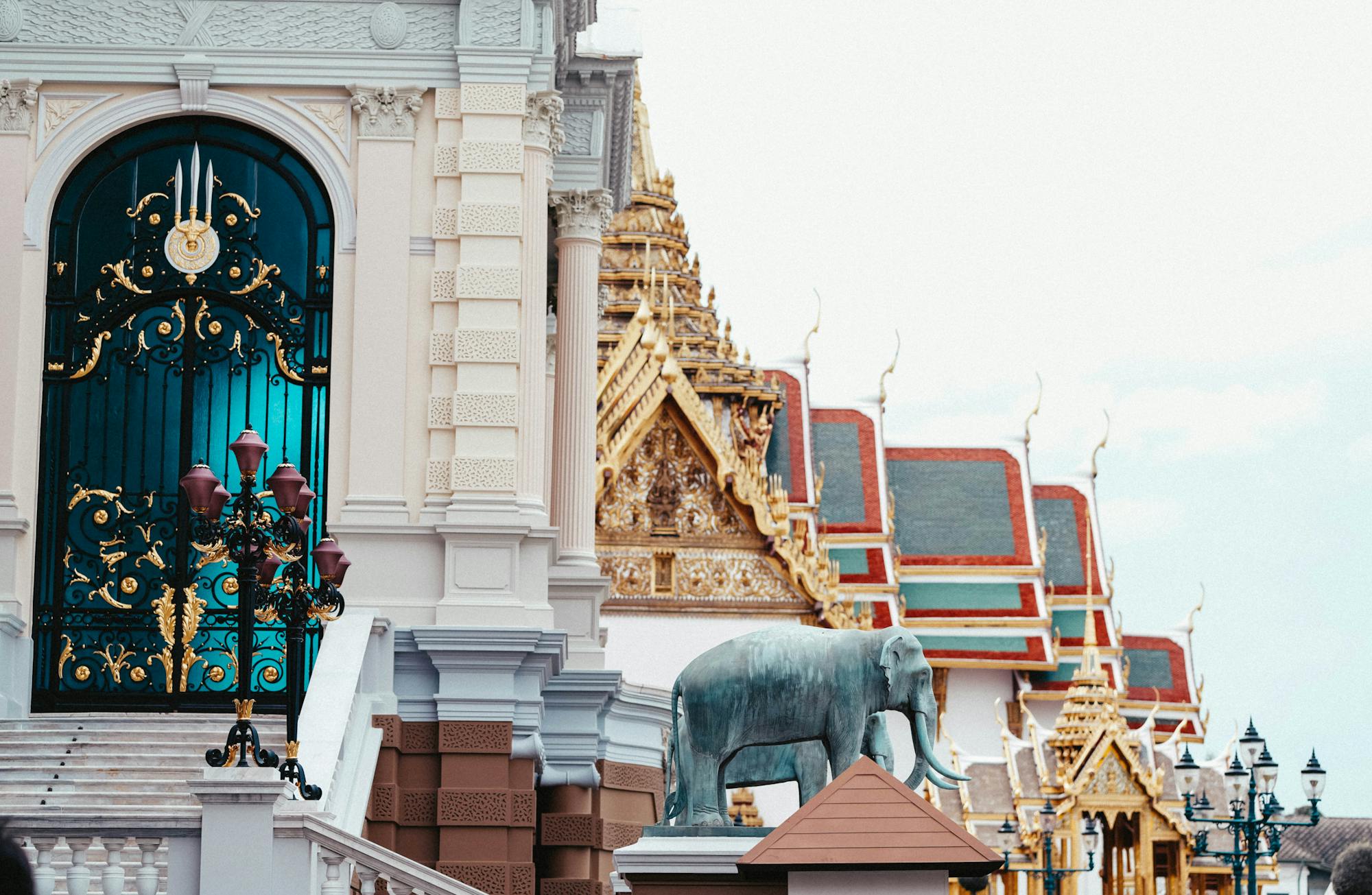
Thailand is one of Southeast Asia's most beloved travel destinations, offering an extraordinary range of experiences within a single country — ancient kingdoms and gilded temples in the north, world-famous island beaches in the south, and the electric street food and nightlife culture of Bangkok.
Thailand is one of Southeast Asia's most beloved travel destinations, and for excellent reason: it offers a staggering range of experiences within a single country. In the north, ancient kingdoms left a legacy of gilded temples and forested mountains; in the south, the Andaman Sea and Gulf of Thailand frame some of the world's most beautiful island beaches; and in the capital Bangkok, one of Earth's great cities pulses with street food, night markets, river temples, and a nightlife scene that never really stops. Thailand's food is arguably the world's finest street-cuisine culture. Its Buddhist traditions permeate daily life in ways that are accessible and moving to outside visitors. And its people have earned a genuine reputation for warmth — the phrase "Land of Smiles" is not merely marketing. Whether you have one week or three months, Thailand will fill it richly.
Top Attractions
The Grand Palace and Wat Phra Kaew in Bangkok is Thailand's most visited site — a dazzling complex of temples, towers, and royal halls encrusted in gold, mirror mosaics, and coloured glass that has to be seen to be believed. Wat Pho, home to the giant Reclining Buddha and the birthplace of traditional Thai massage, is another unmissable Bangkok temple. In Chiang Mai, Doi Suthep — the golden temple that overlooks the city from its forested mountain perch — is a spiritual centrepiece of northern Thailand. The ancient walled city of Ayutthaya, Thailand's former capital with its haunting headless Buddha statues and crumbling temple complexes, is a UNESCO World Heritage Site just 90 minutes north of Bangkok. Phang Nga Bay, with its iconic limestone karst islands rising from emerald water (including James Bond Island), is one of Southeast Asia's most dramatic natural landscapes.
Local Experiences and Activities
A visit to an ethical elephant sanctuary near Chiang Mai is one of Thailand's most meaningful experiences — reputable sanctuaries like Elephant Nature Park allow you to feed, bathe, and walk alongside rescued elephants without riding them. Thai cooking classes are excellent across the country; a half-day class in a Chiang Mai home kitchen or a Bangkok cooking school is among the best value cultural experiences in Southeast Asia. Muay Thai (Thai kickboxing) is deeply embedded in Thai culture — watching a bout at Lumpinee Stadium in Bangkok or the Thapae Stadium in Chiang Mai is electrifying. The floating markets around Bangkok (Damnoen Saduak, Amphawa) offer photogenic glimpses of a river-trading culture, though the most authentic experience is the weekend Amphawa market at dusk. Island-hopping the Koh Samui–Koh Phangan–Koh Tao triangle in the Gulf of Thailand offers excellent beaches, diving, and the Full Moon Party.
Day Trips and Nearby Destinations
From Bangkok, the ancient city of Ayutthaya is the finest day trip (90 minutes by train; rent a bicycle to explore the ruins at your own pace). The Damnoen Saduak floating market and the famous Maeklong Railway Market — where traders fold back their stalls as a train passes through — can be combined in a single day trip. From Chiang Mai, day trips include the hill tribes of Doi Inthanon (Thailand's highest peak), the elephant sanctuaries, and the white temple of Wat Rong Khun in Chiang Rai (3 hours north). From Phuket, longtail boats or speedboat tours reach the stunning islands of Koh Phi Phi and the Similan Islands marine park for world-class snorkelling and diving. The border crossing into Myanmar's Golden Triangle (accessible from Chiang Rai) offers a fascinating glimpse into the meeting point of Thailand, Laos, and Myanmar.
Food and Drink Culture
Thai cuisine is one of the world's most complex and celebrated — a masterclass in balancing sweet, sour, salty, bitter, and spicy within a single dish. Pad Thai (stir-fried rice noodles with egg, tofu, and dried shrimp) is the national dish that every visitor tries; but the street-food landscape goes far deeper. Tom yum goong (spicy lemongrass soup with prawns), som tam (green papaya salad), massaman curry (rich, coconut-based with peanuts and potato), and khao man gai (poached chicken over fragrant rice) are among the essential dishes. Bangkok's street food scene is extraordinary: the Yaowarat (Chinatown) night market, the Or Tor Kor fresh market, and the roving street-cart vendors in every neighbourhood are all brilliant. Thailand does not have a strong alcoholic drinks culture — Chang and Singha beer are the staples; Sang Som rum and local whisky are mixed with soda at beach bars. Fresh fruit shakes and Thai iced tea (cha yen) are the non-alcoholic staples.
Practical Tips
Temple etiquette is important: dress modestly (shoulders and knees covered) when visiting wats; remove shoes before entering temple buildings; and never touch or climb on Buddha statues. Thailand is a constitutional monarchy and the royal family commands deep respect — be mindful of any comments. The Thai baht (THB) is the currency; ATMs are widespread but charge foreign-card fees (typically 220 baht per withdrawal). Tuk-tuks and metered taxis are the main urban transport; always insist on the meter in Bangkok taxis. The most common tourist scam is the "closed attraction" — a friendly stranger tells you that your destination is closed and offers to take you somewhere else (usually a gem shop or silk store). It is never true; proceed to your destination. Travel insurance is essential in Thailand — medical care is excellent but costs are significant for uninsured foreigners.