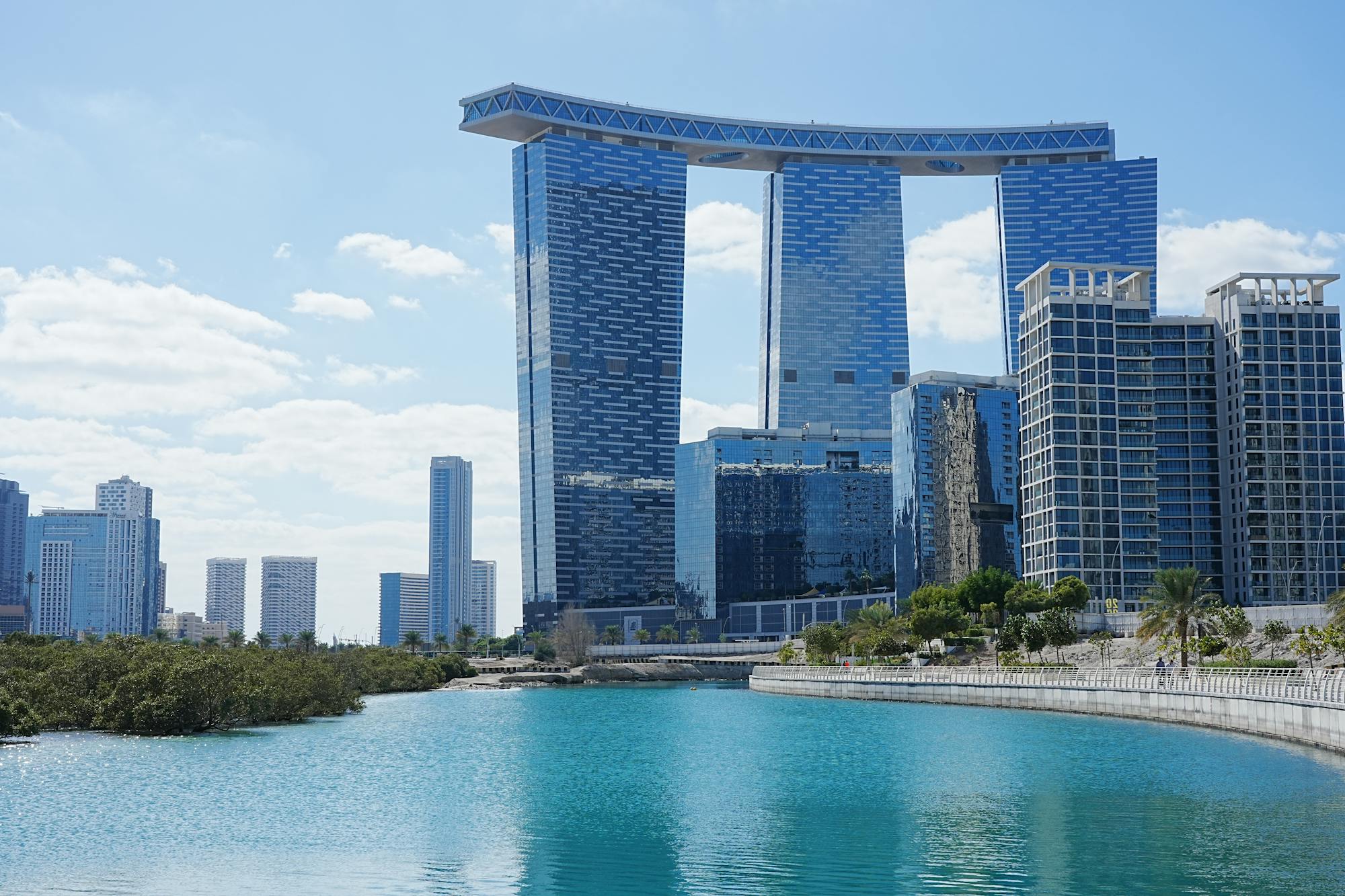
The United Arab Emirates is one of the world's most astonishing modern travel destinations — a federation of seven emirates that has transformed desert into dazzling metropolis within a single generation. The UAE combines world-record skyscrapers, man-made islands and the planet's largest shopping malls with ancient forts, camel racing, traditional souqs and vast, silent desert landscapes.
The United Arab Emirates is one of the world's most astonishing modern travel destinations — a federation of seven emirates that has transformed desert into dazzling metropolis within a single generation. The UAE combines world-record skyscrapers, man-made islands and the planet's largest shopping malls with ancient forts, camel racing, traditional souqs and vast, silent desert landscapes. Dubai and Abu Dhabi anchor the visitor experience, but Sharjah's cultural depth, Fujairah's rugged mountains and Ras Al Khaimah's adventure tourism are adding new dimensions to what the UAE offers travellers seeking something beyond the spectacular and the superlative.
Top Attractions
The Burj Khalifa in Dubai — at 828m the world's tallest building — is the UAE's most iconic landmark. Visit the observation decks on floors 124, 125 or 148 at sunset for an unforgettable panorama over the city, desert and Gulf. The Sheikh Zayed Grand Mosque in Abu Dhabi is one of the world's great religious buildings — a vast white marble complex with 82 domes, 1,000 columns and the world's largest hand-knotted carpet. The Dubai Museum of the Future, a striking torus-shaped building on Sheikh Zayed Road, showcases visions of humanity's technological future in immersive exhibitions. The Louvre Abu Dhabi on Saadiyat Island is a genuine architectural and cultural masterpiece — a universal museum designed by Jean Nouvel, its perforated dome creating a magical "rain of light" interior. Al Ain, the UAE's garden city and a UNESCO World Heritage Site, preserves oasis gardens, ancient falaj irrigation systems and the impressive Al Ain Palace Museum.
Unique Experiences
A desert safari into the red dunes of the Dubai Desert Conservation Reserve or Liwa Oasis — with dune bashing in 4x4s, sandboarding, camel riding and a traditional Bedouin camp dinner under the stars — provides the authentic desert counterpoint to the urban spectacle. Falconry, the UAE's most ancient sporting tradition, can be observed and experienced at heritage sites across the country, from Abu Dhabi's presidential reserve to dedicated falcon hospitals open to visitors. Dubai Creek dhow dinner cruises, floating past the illuminated spice and gold souqs, connect visitors to the city's pre-oil trading past. The Abu Dhabi Formula 1 Grand Prix (November) on Yas Island is one of the world's most glamorous sporting events.
Day Trips
From Dubai, Al Ain (2 hours) offers UNESCO World Heritage oasis landscapes, a camel market and excellent fort museums. Hatta in the Hajar Mountains (1.5 hours from Dubai) provides kayaking, mountain biking and trekking in a dramatically different landscape. From Abu Dhabi, the Empty Quarter (Rub' al Khali) edge at Liwa Oasis offers some of the world's largest sand dunes and a profound sense of Arabian wilderness. Fujairah on the East Coast, facing the Gulf of Oman, is 1.5 hours from Dubai and offers snorkelling, diving and dramatic mountain scenery.
Food and Culture
The UAE's food scene is one of the world's most diverse — a reflection of its cosmopolitan population of over 200 nationalities. Emirati cuisine, centred on machboos (spiced rice with meat or fish), harees (wheat and meat porridge) and luqaimat (honey dumplings), is found at dedicated Emirati restaurants throughout both emirates. The global dining scene is extraordinary — from three-Michelin-star restaurants to authentic Indian, Filipino, Iranian and Lebanese street food. The historic Deira and Bur Dubai souqs — gold, spice and textile markets — are the most authentic remnants of the UAE's pre-oil past.
Practical Tips
Visa: Citizens of most Western nations receive visa-free entry or visa on arrival. Culture: Dress modestly in souqs, malls and religious sites — cover shoulders and knees. Public displays of affection are discouraged. Health: No mandatory vaccinations. Tap water is safe. Heat can be extreme June–September (38–48°C) — stay hydrated and seek air-conditioning. Currency: UAE Dirham (AED); widely accept credit cards. Getting around: Dubai Metro is excellent along the main Sheikh Zayed Road corridor; taxis and Uber are ubiquitous. Abu Dhabi requires a car or taxi. Alcohol: Available in licensed hotels and restaurants only; not sold in souqs or public areas.