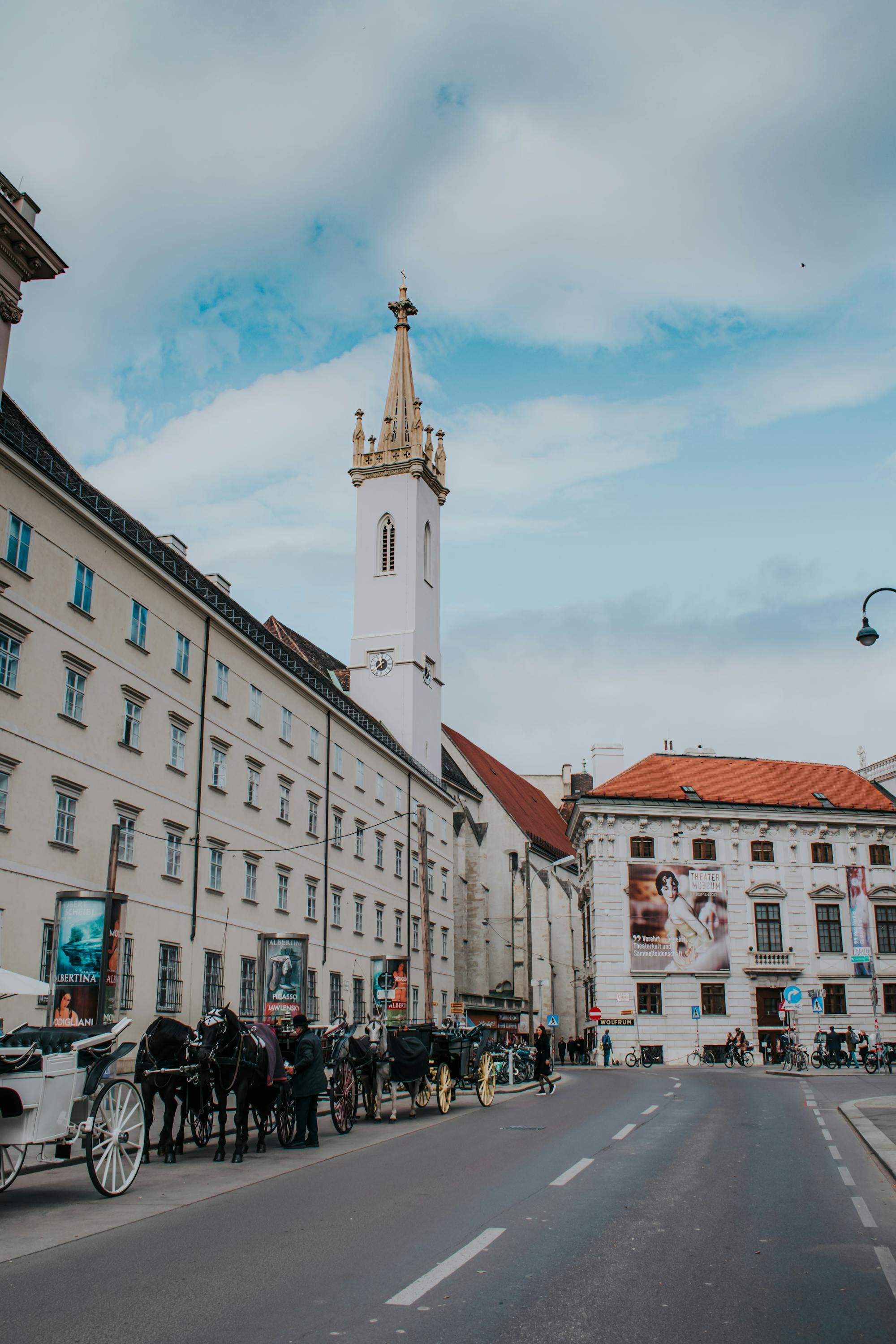
Vienna is a city of imperial grandeur, intellectual legacy, and deeply pleasurable everyday life. The capital of the Habsburg Empire for 650 years, it retains an architectural magnificence that few European cities can match — the Ringstrasse boulevard lined with monumental neo-Gothic, Renaissance, and baroque buildings; the gilded Kunsthistorisches Museum; the vast Schönbrunn Palace and its formal gardens.
Things to Do in Vienna
Best Things to Do in Vienna
Vienna is a city known for imperial history, classical music, museums, coffee house culture, and walkable sightseeing. If you want the best things to do in Vienna, the strongest choices are the ones that combine atmosphere, cultural value, and ease of access in the city centre and old town. For this guide, I focused on major sights, real visitor demand, and experiences that help you understand the city rather than just check off iconic landmarks.
How We Chose the Best Attractions
This list is built around what most travelers actually want when they visit vienna: standout landmarks, memorable cultural experiences, practical access, and enough variety for first-time and repeat visitors. I prioritized places with clear historical importance, strong visitor appeal, and distinct experiences, from a palace visit to an evening at the opera house. I also considered whether attractions are within walking distance of other major sights or easy to reach on the U-Bahn.
Best 10 Things to Do in Vienna
1. Schönbrunn Palace
Schönbrunn Palace is one of Vienna's essential sights and the best all-around choice for most visitors. This former imperial residence gives you a direct look at Habsburg life, grand interiors, and formal gardens, all in one stop.
Why It Stands Out
As an imperial residence, it captures the scale and elegance many travelers come to Vienna for. The grounds are extensive, the architecture is impressive, and parts of the gardens are completely free, which makes it easy to enjoy even without a full interior visit.
Best For
First-time visitors, history lovers, and anyone who wants a classic Vienna landmark with both indoor and outdoor appeal.
Key Strengths
One of the city's most important royal sites
Beautiful gardens and broad open space
Easy to pair with other sightseeing if you plan ahead and purchase tickets online
Possible Limitations
Can get very crowded at peak times
You'll want extra time to see more than just the main rooms
2. Hofburg Palace
Hofburg Palace is the historic heart of imperial Vienna and one of the largest palace complexes in Europe. It's a major stop for understanding Austrian history and the Habsburg dynasty.
Why It Stands Out
This imperial palace includes multiple attractions, courtyards, and museums in a central setting. It was once the Habsburg seat of power and still houses the office of the Austrian president, which adds to its political and historical importance.
Best For
Travelers interested in monarchy, museums, and central sightseeing.
Key Strengths
Huge complex with several attractions in one area
Home to the Sisi Museum and major state buildings
Good choice if you want a deeper look at Austrian history
Possible Limitations
The size can feel overwhelming without a plan
Costs add up if you visit several parts of the complex
3. St. Stephen's Cathedral
St. Stephen's Cathedral is the symbolic center of Vienna and one of its most recognizable landmarks. Even if you only have a short time in the city, this should be near the top of your list.
Why It Stands Out
Its patterned roof, Gothic details, and central location make it an easy and rewarding stop. If you go inside and explore more fully, the two towers offer different viewpoints over Vienna, and the South Tower is the more demanding climb while the North Tower is easier to access.
Best For
Visitors with limited time, architecture fans, and anyone who wants a defining Vienna experience.
Key Strengths
Central location in the busiest part of town
Distinctive skyline presence and rich church history
Often paired with concerts, so even a non-classical music fan may enjoy the setting
Possible Limitations
Busy almost all day
Tower access may not suit everyone
4. Belvedere Palace
Belvedere Palace is one of the best places in Vienna to combine art, gardens, and Baroque architecture. It is especially rewarding for an art lover who wants more than a quick photo stop.
Why It Stands Out
The Belvedere Museum spans a grand complex with gardens and multiple buildings. Upper Belvedere is the headline attraction for Klimt, while the lower palace adds more exhibition space and historical context.
Best For
Art-focused travelers, photographers, and visitors looking for a polished museum experience.
Key Strengths
Strong art collection in a beautiful setting
Upper Belvedere is a major draw for famous works
Pleasant grounds and architecture that make the visit feel special
Possible Limitations
Better if you book ahead than show up at random
Art-heavy visits may be less appealing for travelers on a tight schedule
5. Vienna State Opera
The Vienna State Opera is one of the city's signature cultural experiences and one of the best places to experience classical music in a world-famous setting. It's worth considering whether or not opera is usually part of your travel plans.
Why It Stands Out
This opera house is famous for its performances, architecture, and atmosphere. Ticket prices vary widely, and standing tickets make it possible to attend on a tighter budget, which is one reason it remains accessible to so many visitors.
Best For
Culture seekers, music lovers, and travelers who want a memorable evening in Vienna.
Key Strengths
Globally known venue with a strong performance calendar
Good budget option if you choose standing tickets
Tours are available if you do not attend a show
Possible Limitations
Popular dates sell out fast
Performance etiquette and dress expectations can feel formal to some visitors
6. Prater Park and the Giant Ferris Wheel
Prater Park is one of Vienna's most recognizable leisure areas and a fun break from museums and palaces. It combines green space, rides, and old-school atmosphere in a way that feels very different from the historic core.
Why It Stands Out
The historic ferris wheel is the star attraction and still one of the classic views over Vienna. The wider Prater amusement park gives you a broader amusement park experience, and the wheel itself runs year round even when other rides are quieter.
Best For
Families, couples, and travelers who want a lighter, more playful side of the city.
Key Strengths
Mix of nostalgia, views, and entertainment
Good option after heavy sightseeing days
Easy to visit without committing a full day
Possible Limitations
Not every ride will appeal to all travelers
Some parts feel more casual than cultural
7. Kunsthistorisches Museum and Natural History Museum
If you want world-class collections in monumental buildings, this pairing is hard to beat. The Kunsthistorisches Museum and the Natural History Museum sit opposite each other and make a strong half-day or full-day plan.
Why It Stands Out
The Kunsthistorisches Museum is one of Vienna's great art institutions, while the natural history museum delivers impressive exhibits in an equally grand setting. If you enjoy natural history, dinosaur skeletons, meteorites, and historic museum interiors, this is one of the most rewarding museum combinations in the city.
Best For
Museum-focused travelers, rainy-day visitors, and anyone who wants a strong cultural stop near the center.
Key Strengths
Two major museums close together
Excellent architecture and substantial collections
Good choice if you want a classic history museum visit with range
Possible Limitations
Best appreciated with enough time to move slowly
Less appealing if you prefer outdoor attractions
8. Vienna's Coffee Houses
Few experiences feel more distinctly Viennese than spending time in vienna's coffee houses. These historic spaces are as much about atmosphere and ritual as they are about coffee.
Why It Stands Out
A traditional coffee house visit gives you a different side of Vienna from its grand museums and palaces. Café Central is the most famous example, and Cafe Central remains a popular stop for visitors who want to sit under elegant ceilings and try the city's best-known sweet treats.
Best For
Food lovers, slow travelers, and anyone who wants a cultural experience without a packed itinerary.
Key Strengths
Strong sense of local tradition and identity
Great place to pause between major sights
Easy way to sample pastries, coffee, and people-watching
Possible Limitations
Famous cafés can have long waits
Some visitors may prefer quieter neighborhood spots
9. Spanish Riding School
The Spanish Riding School is one of Vienna's most distinctive heritage attractions. It offers a refined and historic experience centered on the Lipizzan stallions and centuries-old training traditions.
Why It Stands Out
This is not just a performance venue but part of the city's living culture. Guided tours help visitors understand the school's history, spaces, and routines even if they do not attend a formal demonstration.
Best For
Travelers interested in tradition, equestrian culture, and unusual historic experiences.
Key Strengths
Unique to Vienna and closely tied to imperial culture
Elegant setting and strong heritage value
Good alternative to standard museum-heavy itineraries
Possible Limitations
Shows and visits require advance planning
May feel niche for travelers focused only on major landmarks
10. Seasonal and Bonus Experiences Around Central Vienna
Beyond the headline sights, Vienna rewards travelers who leave room for smaller cultural stops and evening plans. This final spot covers the extras that can turn a good trip into a great one.
Why It Stands Out
You can explore the Austrian Parliament Building and city hall on free guided tours, look for the distinctive pedestrian signals near the museum quarter, and visit the national library if you enjoy ornate interiors. In winter, christmas markets and the ice rink in front of Rathaus add a memorable festive season atmosphere, while warmer months are a good time for rooftop bars such as das loft with views toward Peter's Church.
Best For
Repeat visitors, seasonal travelers, and people building a flexible itinerary.
Key Strengths
Adds variety beyond the standard top sights
Helps round out short and long stays
Useful for evening plans and seasonal travel
Possible Limitations
Some experiences depend on timing or season
Best enjoyed as additions rather than main anchors
Quick Comparison of the Best Attractions
Schönbrunn Palace – Best for first-time visitors who want classic imperial Vienna
Hofburg Palace – Best for central history and multi-stop sightseeing
St. Stephen's Cathedral – Best for a quick, essential landmark visit
Belvedere Palace – Best for art and gardens
Vienna State Opera – Best for a major evening cultural experience
Prater Park and the Giant Ferris Wheel – Best for fun, views, and families
Kunsthistorisches Museum and Natural History Museum – Best for museum days
Vienna's Coffee Houses – Best for café culture and pastries
Spanish Riding School – Best for a uniquely Viennese heritage experience
Seasonal and Bonus Experiences Around Central Vienna – Best for flexible itineraries and winter events
How to Choose the Right Attractions
The right mix depends on your interests, pace, and how long you have. Vienna offers enough range that most travelers should try at least a couple of different experience types rather than only focus on one theme.
Choose Based on Your Interests
If you love royal history, start with Schönbrunn and the Hofburg. If you care more about paintings and museum collections, put Belvedere and the major museums first. If live performance matters most, prioritize the Vienna State Opera and classical concerts in churches or historic venues.
Choose Based on Your Time
With one day, stay focused on the city centre and old town so you can walk between major landmarks. With two or three days, add Schönbrunn, Prater, and museum visits. An art lover or deep museum traveler could easily spend longer and still not cover all this.
Choose Based on Logistics
Public transport is excellent, so it is easy to move around the city by U-Bahn. From Vienna Airport, many travelers head straight into the center before starting sightseeing, and staying near major transport links makes it easier to visit vienna efficiently.
Which Option Is Best for You?
Choose Schönbrunn Palace if you need the strongest all-around imperial landmark.
Choose Hofburg Palace if you want layered history in the heart of the city.
Choose St. Stephen's Cathedral if your priority is a central must-see with skyline views.
Choose Belvedere Palace if you want art, gardens, and Baroque architecture.
Choose Vienna State Opera if you want a famous performance venue with flexible entry options.
Choose Prater Park and the Giant Ferris Wheel if you want fun and a break from formal sightseeing.
Choose Kunsthistorisches Museum and Natural History Museum if your priority is major museum collections.
Choose Vienna's Coffee Houses if you want a slower cultural experience with pastries and coffee.
Final Thoughts
For most travelers, the best things to do in Vienna combine one major palace, one central historic landmark, one museum or gallery, and one culture-focused experience. Schönbrunn is the strongest all-around pick, but the best itinerary depends on whether you care most about art, imperial sites, food, or performance. Vienna is compact, elegant, and easy to explore, so even a short stay can cover a lot if you plan well.