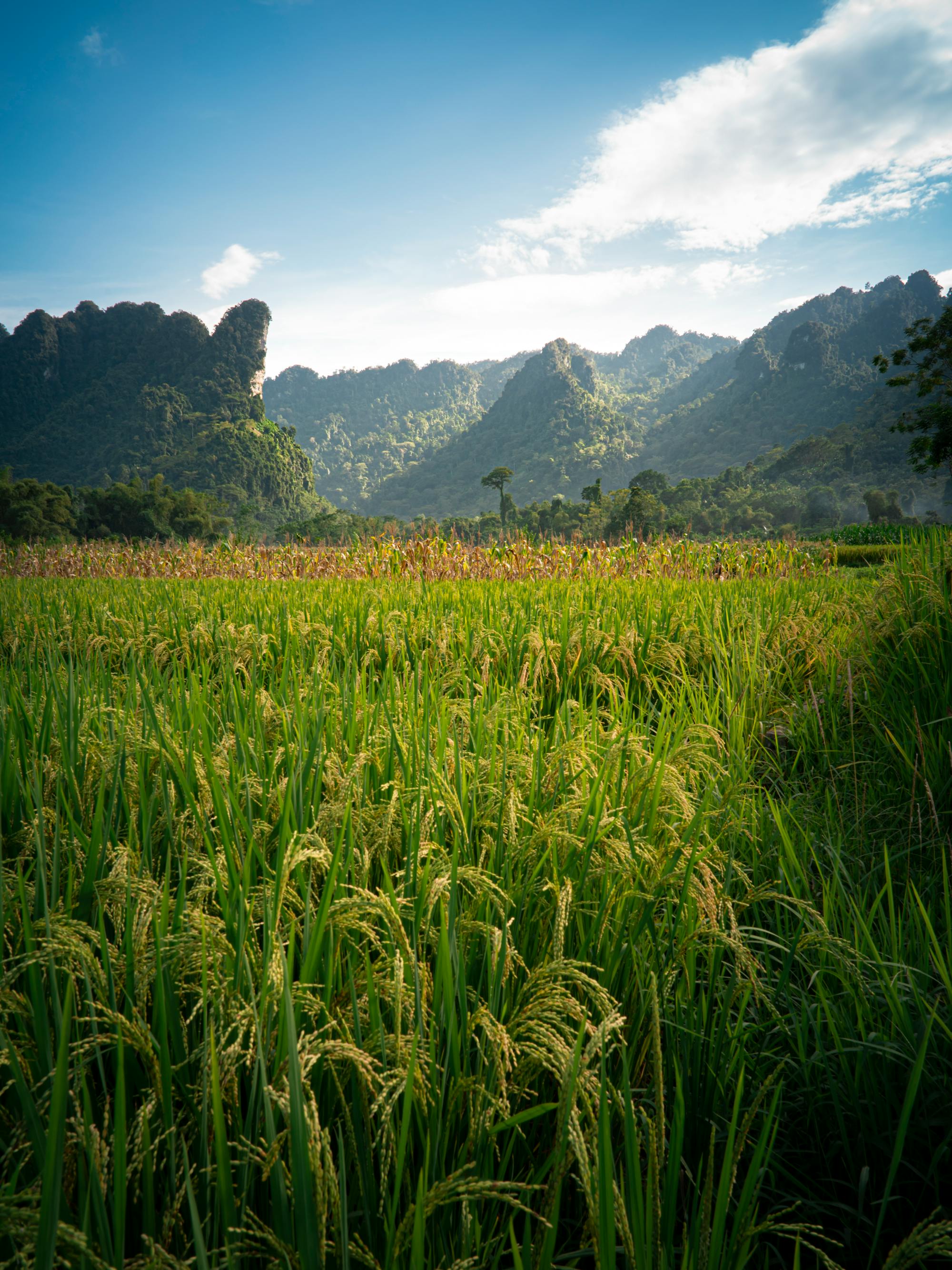
Vietnam is one of Southeast Asia's most captivating travel destinations — a long, slender country encompassing UNESCO World Heritage sites, imperial palaces, emerald limestone bays, terraced rice fields, pristine beaches, and one of the world's most celebrated street food cultures.
Vietnam is one of Southeast Asia's most captivating travel destinations — a long, slender country stretching 1,650 kilometres from the mountains of the north to the Mekong Delta in the south, encompassing everything from UNESCO World Heritage sites and imperial palaces to emerald limestone bays, terraced rice fields, pristine beaches, and one of the world's most celebrated street food cultures. The country's complex history — ancient Cham kingdoms, Chinese dynasties, French colonial rule, and the American War — has left a layered cultural landscape that rewards curious travellers at every turn. Vietnam is also genuinely good value: comfortable, fascinating, and gastronomically extraordinary, it offers experiences that would cost several times as much elsewhere in Southeast Asia. A north-to-south journey through Vietnam is one of Asia's great travel itineraries.
Top Attractions
Ha Long Bay in the north is Vietnam's most iconic natural wonder — 1,600+ limestone karst islands and islets rising from emerald water in the Gulf of Tonkin, a UNESCO World Heritage Site best experienced on a two-night overnight cruise with kayaking through caves and swimming in hidden lagoons. Hoi An Ancient Town (central Vietnam) is perhaps the finest preserved trading port in Southeast Asia — a UNESCO site of yellow-walled merchant houses, tailor shops, covered Japanese Bridge, and magnificent lantern-lit evenings; best visited early morning or after dark to escape the daytime crowds. Hue Imperial City, the seat of Vietnam's last royal dynasty, contains a sprawling citadel, royal tombs scattered along the Perfume River, and the finest imperial cuisine in the country. In the north, the Sapa region (Hoang Lien Son mountains) offers spectacular terraced rice fields carved by Hmong and Dao hill tribes, with excellent trekking between village communities.
Local Experiences and Activities
A Ha Long Bay overnight cruise is the essential Vietnam experience — the standard two-night, three-day cruise allows kayaking through caves, visiting floating fishing villages, and watching sunrise over the karst islands. In Hoi An, having clothes tailor-made is a cultural institution: the town has over 400 tailors, and a made-to-measure suit, dress, or traditional ao dai can be produced in 24–48 hours at a fraction of Western prices. Vietnamese cooking classes are excellent across the country — particularly in Hoi An (with a market visit and riverside kitchen) and Hanoi. Motorbike riding is the classic way to explore Vietnam's countryside: the Hai Van Pass between Hue and Da Nang (featured in Top Gear) is one of Asia's most dramatic road journeys. In Ho Chi Minh City, the Cu Chi Tunnels — 250 km of underground tunnels used by Viet Cong fighters during the American War — are a sobering and extraordinary historical experience.
Day Trips and Nearby Destinations
From Hanoi, Ha Long Bay (3.5 hours) is the most popular multi-day trip; Ninh Binh (2 hours south, often called "Ha Long Bay on land") offers limestone karst scenery accessible by rowing boat through rice paddy waterways at a fraction of Ha Long's cost. Sapa is 8 hours by overnight train or 5 hours by bus, making it a comfortable multi-day side trip from Hanoi. From Hoi An, the ruins of My Son (Cham Hindu sanctuary, UNESCO-listed) are 45 minutes away. The Marble Mountains near Da Nang contain cave pagodas and Buddhist shrines within sculpted marble outcrops. From Ho Chi Minh City, the Mekong Delta day trip by boat through river markets and coconut-palm waterways is excellent.
Food and Drink Culture
Vietnamese cuisine is one of the world's finest — light, herb-driven, and extraordinarily varied by region. Pho (beef or chicken noodle soup, perfumed with star anise, ginger, and charred onion) is the national dish; the Hanoi version is cleaner and more restrained than the southern Ho Chi Minh City style, which comes loaded with herbs, bean sprouts, and hoisin. Banh mi — the Vietnamese baguette sandwich, a French colonial legacy filled with pâté, Vietnamese sausage, pickled daikon, and fresh coriander — is the world's finest street sandwich. Hoi An's local specialties include cao lau (thick noodles with pork and herbs, made exclusively with water from a specific local well) and white rose dumplings. In the south, banh xeo (sizzling rice-flour pancakes stuffed with pork, shrimp, and bean sprouts) is essential. Vietnamese iced coffee (ca phe sua da — dark robusta espresso dripped over sweetened condensed milk and ice) is the national beverage and outstanding.
Practical Tips
Vietnam is long — travellers typically fly between regions (Hanoi to Da Nang to Ho Chi Minh City) or use the overnight train, which is comfortable and scenic. The Vietnamese dong (VND) is the currency; ATMs are widespread in cities but less reliable in rural areas — carry cash when heading to Sapa or the Mekong Delta. Traffic in Hanoi and Ho Chi Minh City is overwhelming for newcomers: cross the road slowly and steadily, making eye contact with motorbike riders who will flow around you — hesitation is dangerous. A Vietnamese visa (e-visa) is available online for most nationalities. Bargaining is expected at markets but not in restaurants; always confirm prices for motorbike taxis (xe om) and cyclo rides before getting on. Travel insurance is essential.