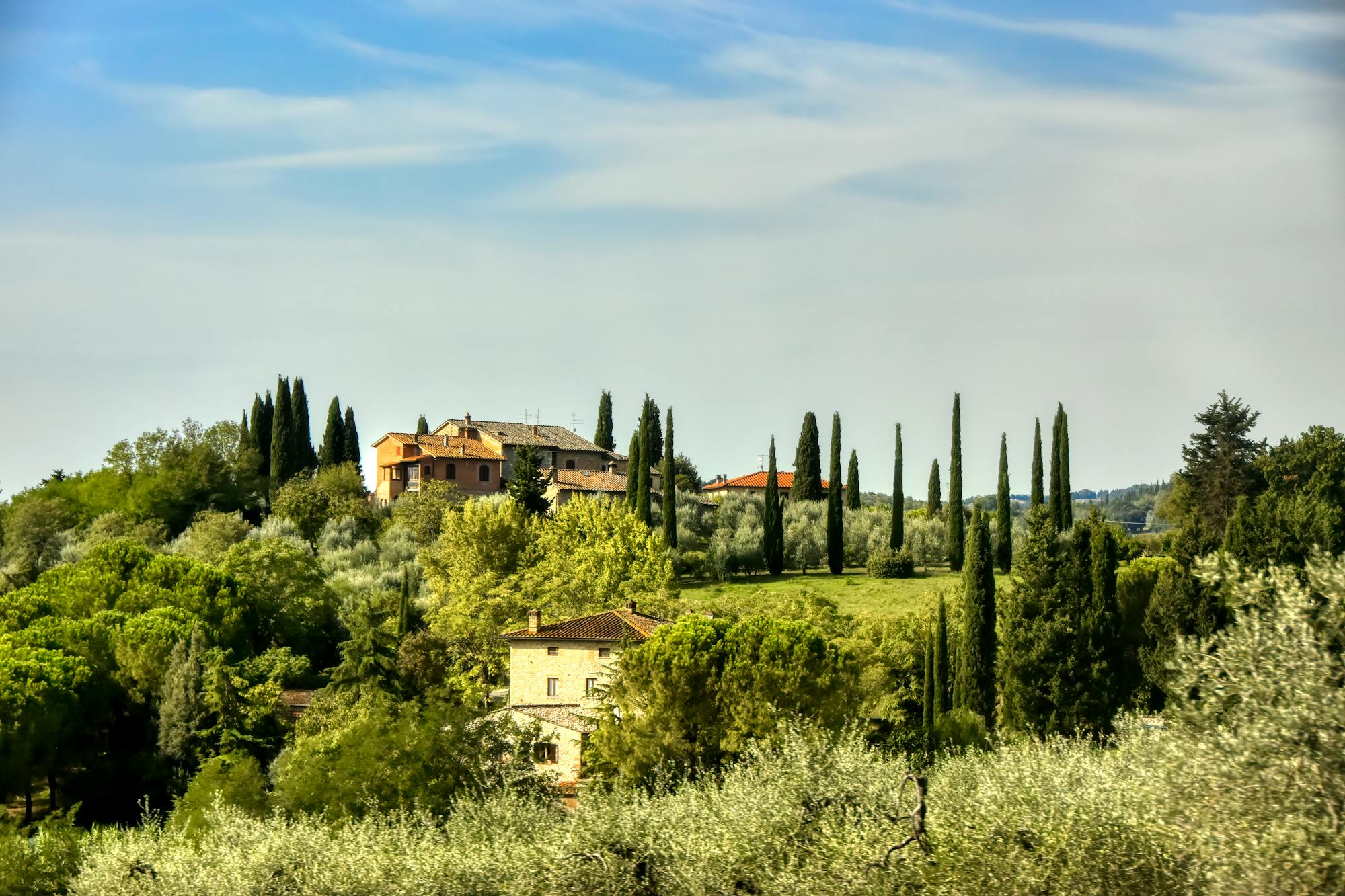
Italy offers one of the most diverse accommodation landscapes in the world, from opulent five-star palazzo hotels in the heart of Rome and Florence to family-run agriturismi in the Tuscan countryside, charming boutique hotels in Positano clifftop villages, and converted medieval monasteries. Whether you're seeking a romantic retreat, a foodie base, or a city-centre hub, Italy has a room — and a region — perfectly suited to every style of travel.
Rome
Rome's accommodation market is one of the most varied in Europe, catering to every budget across every neighbourhood. The most sought-after addresses cluster around the historic centre — Trastevere, Campo de' Fiori, the Pantheon area, and the Spanish Steps — where converted palaces, boutique hotels, and elegant guesthouses offer immersion in the city's atmosphere at a range of price points. Luxury flagship hotels line Via Veneto and the area around Piazza di Spagna. Budget travellers will find well-run hostels and B&Bs throughout the Prati, Ostiense, and Pigneto neighbourhoods, well connected to the centre by Metro and tram. Staying within the Aurelian Walls (the ancient city boundary) is strongly recommended for first-time visitors.
Florence and Tuscany
Florence's compact historic centre makes location straightforward — virtually everywhere within the medieval core is walkable to the main sights. Boutique hotels in converted Renaissance palaces and tower houses are a Florentine speciality, offering characterful accommodation that matches the city's artistic heritage. Budget options have improved significantly in recent years. For Tuscany beyond Florence, agriturismi — working farms offering rooms or apartments, typically including breakfast and sometimes dinner with local produce — are the region's defining accommodation experience. Villa rentals are excellent value for families and groups, particularly in the Chianti, Val d'Orcia, and Montalcino areas.
Venice
Venice is expensive — full stop. Even mid-range hotels command prices well above Italian average due to the unique nature of the city and the costs of running a business on an island. That said, staying within Venice itself — in one of the quieter sestieri like Cannaregio or Dorsoduro — is a completely different (and far superior) experience to commuting in daily from Mestre on the mainland. Small boutique hotels and pensioni in converted palazzi and canal-side houses offer more character than the large international chains. Book Venice accommodation early, especially for Carnival (February) and summer.
The Amalfi Coast
The Amalfi Coast's accommodation is concentrated in the cliffside towns of Positano, Amalfi, Ravello, and Praiano, where hotels cling to the terraced hillsides above the sea. This is not the place for large resort hotels — most properties are intimate and character-filled, but many require significant stair-climbing and have no car access. Prices are high, particularly in Positano. Ravello, perched 350 metres above the coast, offers exceptional peace and some of the region's finest hotels. For a more affordable base, staying in Sorrento (well connected by ferry and bus to the coast) is a practical option.
Practical Tips
Italy levies a local tourist tax (tassa di soggiorno) in most cities, collected separately by hotels; the amount varies by destination and star rating. Breakfast is frequently not included in Italian hotel rates — the local bar around the corner often provides a better and cheaper alternative. Agriturismo bookings are best made directly with the property. For summer travel to the Amalfi Coast, Venice, and Tuscany, book accommodation three to six months in advance. Many rural Tuscan properties and coastal hotels close entirely from November to March.