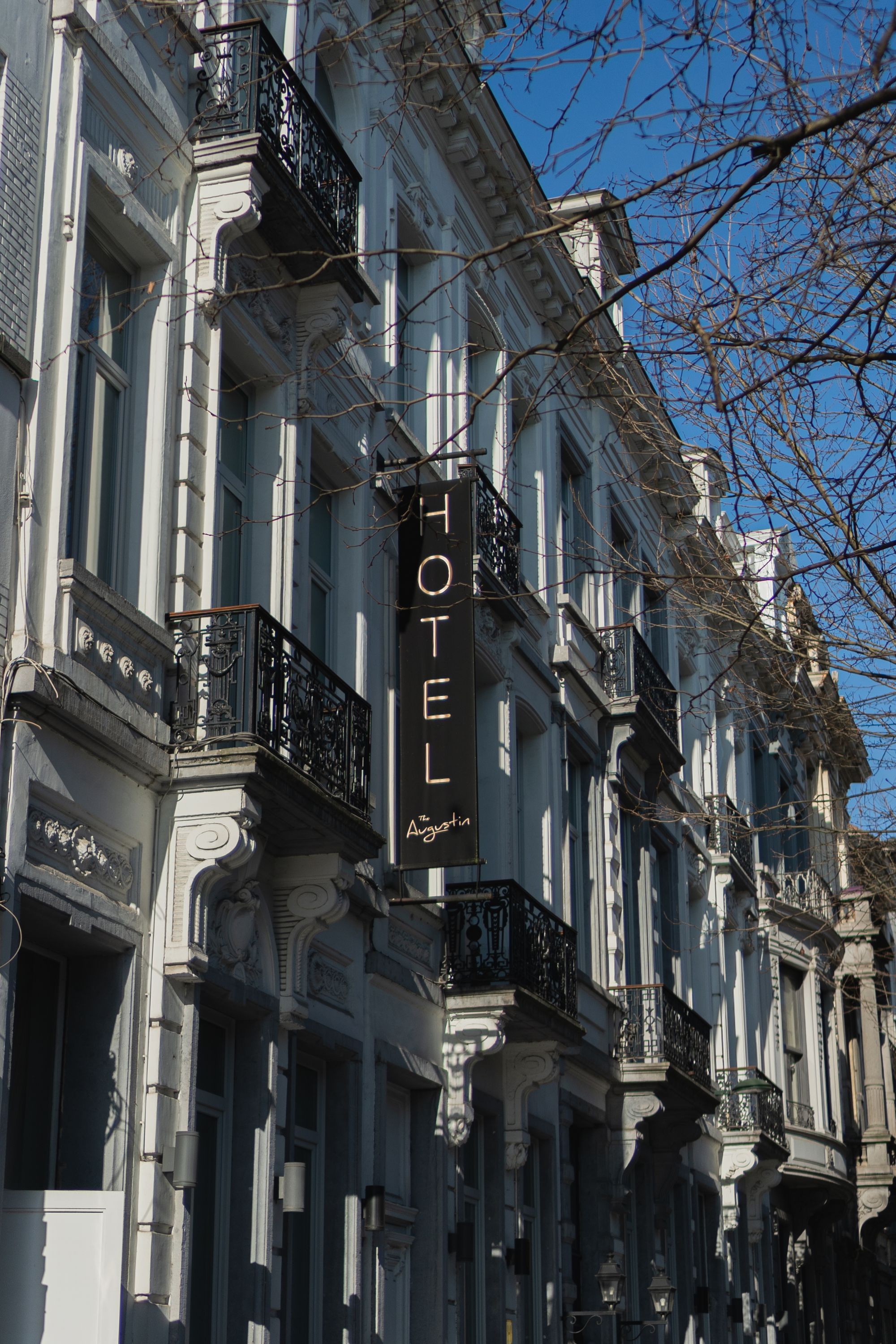
Brussels offers a wide spectrum of accommodation — from grand 19th-century hotels a stone's throw from the Grand Place to stylish boutique guesthouses in the art nouveau townhouses of Ixelles and Uccle. As a major European capital and EU hub, the city sees heavy business travel mid-week, which means weekend rates are often significantly cheaper than weekday prices — a quirk that benefits leisure travellers who can visit Friday to Sunday.
Where to Stay in Brussels
Content about where to stay in brussels.
For first-time trips, central Brussels is usually the easiest base because the Historical Center sits in the heart of the city centre. This part of the European capital is also known as the Pentagon of Brussels, and the Grand Place is a UNESCO World Heritage site with many major tourist attractions within a short walk, often under 10 minutes. It also has a wide range of accommodation options, from cheap hotels to big hotels, and the area is very walkable, well connected, and easy to navigate by public transport.
Historical Center / Lower Town
The Historical Center in the Lower Town is where most visitors start, especially if they want to be centrally located near the town hall and the stock exchange. From here, Brussels Central Station and the Brussels Central train station are both close to the central station area, so key sights are within walking distance and public transportation makes a day trip to other cities simple. If you want the best hotels with a great location, this part of central Brussels also gives easy train station access, quick routes to Eurostar trains via Brussels-Midi, and a handy ring road reference for getting around the city.
Sablon / Upper Town
Sablon is a wealthy part of the Upper Town and an upscale neighborhood known for higher-end shopping, fine dining, and some of the city's most appealing boutique properties. Around Place du Grand Sablon and du Grand Sablon, you'll find art galleries, antique shops, and the open-air antiques market on weekends, while Square du Petit Sablon adds a quieter, elegant feel. The area is less touristy than the Central Quarter, evenings stay calm, and the gothic church of Notre-Dame du Sablon sits nearby; for a local stop, Café des Minimes works well after browsing.
Sainte-Catherine / Saint-Géry
Sainte-Catherine is a fantastic place for nightlife, built around the old fish market and filled with vintage stores, local food spots, wine bars, and lively music venues. Nearby, Saint-Géry is a nightlife hub with many bars and clubs, and the area stays popular with locals after dark. If you want a boutique hotel or excellent value in a lively but still central base, this is a great alternative to the quieter parts of the city centre.
European Quarter
The European Quarter houses the European Parliament and Commission at the center of the European Union, so it is the obvious choice for anyone wanting to stay near the European institutions. The district is defined by parliament buildings, modern architecture, and wide streets, with Cinquantenaire Park providing one of the best green spaces nearby. It also has museums tied to natural sciences and European history, plus many business-oriented accommodation options; evenings and weekends are notably safe and quiet, and many places here are fully equipped for longer stays.
Ixelles / Châtelain
The Ixelles neighbourhood is a trendy neighborhood with a strong expatriate feel and a partly residential area atmosphere that many travelers like for longer visits. It is well connected to central Brussels by public transportation, and areas near Avenue Louise, Bois de la Cambre, and the gardens of La Cambre Abbey balance style with calmer streets. Around Place Fernand Cocq and Châtelain you'll find bars, trendy eateries, international restaurants, parks and playgrounds for children, and a prolific bar scene, making it a great alternative if you want fewer hotel options but more local character.
Saint-Gilles
Saint-Gilles has a younger, bohemian energy and stands out for art nouveau architecture, art deco architecture, and a multicultural, mixed-income feel. The neighborhood also has a vibrant arts scene, several galleries, spacious family-friendly stays, and Parc Marie Janson with a large playground, while the Gare du Midi area hosts the city's biggest market. It suits travelers wanting a trendy neighborhood outside the core, though some people have felt unsafe in parts near the train station at night.
Marolles
Marolles is less polished than the center but now feels stylish in its own way, with the daily flea market at Place du Jeu de Balle and the shopping stretch along Rue Haute drawing people in. The area mixes galleries, street art, antique dealers, interior design shops, and local food with international restaurants, and you may even spot street performers around its livelier corners. Some stays also come with views toward the palais de justice, and while this isn't where to find every boutique hotel, it can be a great location if you want character over polish.