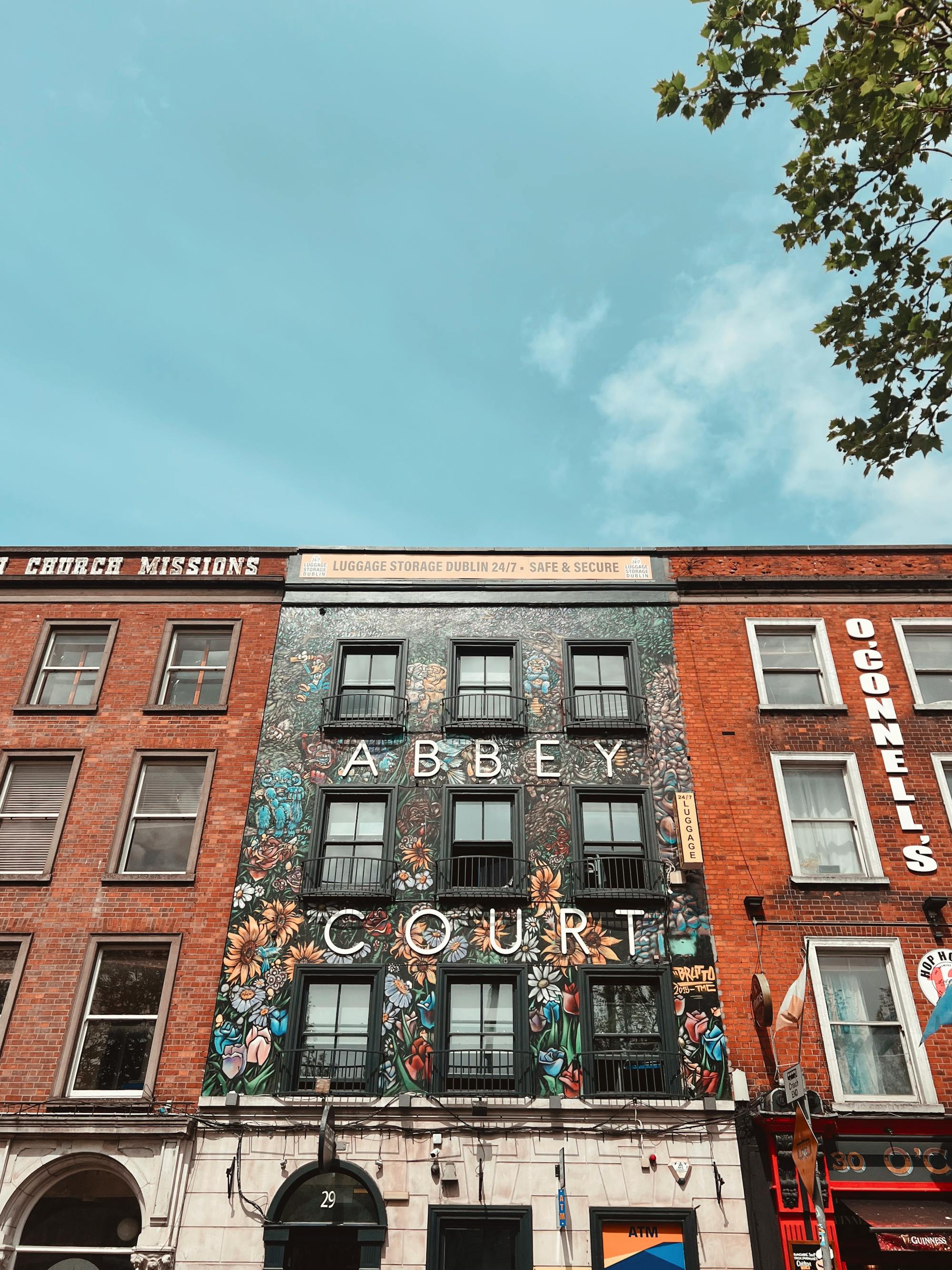
Dublin offers a wide range of accommodation across a relatively compact city, from grand Victorian hotels and contemporary Docklands design properties to Georgian guesthouses and some of Europe's most sociable hostels. The city is walkable enough that almost any central neighbourhood offers easy access to the main attractions, though staying south of the Liffey is generally more convenient for first-time visitors.
Dublin offers a wide range of accommodation across a relatively compact city, from grand Victorian hotels and contemporary Docklands design properties to Georgian guesthouses and some of Europe's most sociable hostels. The city is walkable enough that almost any central neighbourhood offers easy access to the main attractions, though staying south of the Liffey (closer to Grafton Street and Trinity College) is generally more convenient for first-time visitors. Prices are higher than most European capitals and have risen significantly in recent years — budget accommodation in particular can be scarce.
Top Areas to Stay
Temple Bar and the City Centre (South) — the area south of the Liffey bounded by Dame Street, Grafton Street, and the quays — is the most convenient location for sightseeing, with Trinity College, Dublin Castle, and the main shopping on the doorstep. However, Temple Bar itself is noisy late at night with hen and stag parties, so choose accommodations on quieter side streets. St Stephen's Green and Merrion Square offer a quieter, more upscale base in Dublin's most elegant Georgian quarter — excellent for those who prefer refined surroundings with easy access to the National Gallery and museums. The Docklands (the Silicon Docks area to the east) has seen major hotel development and offers modern, well-priced accommodation with a business-hotel feel and good waterfront restaurants. Ballsbridge, a leafy Victorian suburb 2km south of the centre, is home to several of Dublin's grandest hotels and offers a quieter residential feel with good bus connections to the centre.
Luxury Options
Dublin's top luxury hotels are concentrated in two areas: the Georgian south city and Ballsbridge. The Shelbourne Hotel on St Stephen's Green is Dublin's most famous hotel — the Irish Constitution was drafted in Room 112 in 1922; it remains the grandest address in the city, with a magnificent Edwardian lobby, Lord Mayor's Lounge afternoon tea, and commanding position overlooking the Green. The Merrion Hotel, in four restored Georgian townhouses on Merrion Street, is arguably Dublin's finest — two Michelin-starred restaurants (Restaurant Patrick Guilbaud), a beautiful garden, and an outstanding art collection. The Intercontinental Dublin in Ballsbridge offers classic grand hotel luxury in the leafy embassy belt. For contemporary luxury, the The Dean Hotel on Harcourt Street blends great design, a buzzing rooftop bar, and a central Southside location.
Mid-Range and Boutique Stays
Dublin's mid-range scene has improved dramatically. The Morgan Hotel in Temple Bar is a stylish independent property with well-designed rooms and a great location. The Hendrick Smithfield in the Smithfield area offers modern, well-priced rooms in a revitalized neighbourhood. For boutique character, guesthouses around Rathmines and Portobello offer Victorian townhouse rooms with full Irish breakfasts at competitive prices. Budget €120–€200 per night for a well-located mid-range hotel in Dublin; book the Georgian guesthouse areas for the best combination of character and value.
Budget Accommodation
Budget accommodation in Dublin is challenging given the city's rental and hotel market. The Generator Hostel Dublin on Smithfield Square is the city's best large hostel — excellent facilities, social atmosphere, and well-priced private rooms. Isaacs Hostel near Connolly Station is a Dublin institution with a lively bar and good dorms. For budget private rooms, the Northside areas around Phibsborough and Drumcondra offer cheaper guesthouses with bus connections to the centre. Budget €25–€40 for dorms and €80–€110 for budget private rooms — Dublin is considerably more expensive than most European cities for budget options.
Booking Advice
Dublin is busy year-round but peaks in summer (June–August) and around St Patrick's Day (17 March) — book 3–4 months ahead for the best properties during these periods. Major sporting events (Six Nations rugby at the Aviva Stadium, All-Ireland GAA finals in September) fill the city quickly. The city's hotel market is tight due to high demand and limited supply — booking well in advance is particularly important for weekend stays. Use Booking.com for the widest selection; direct booking with guesthouses often gives better rates and more flexibility on cancellation.