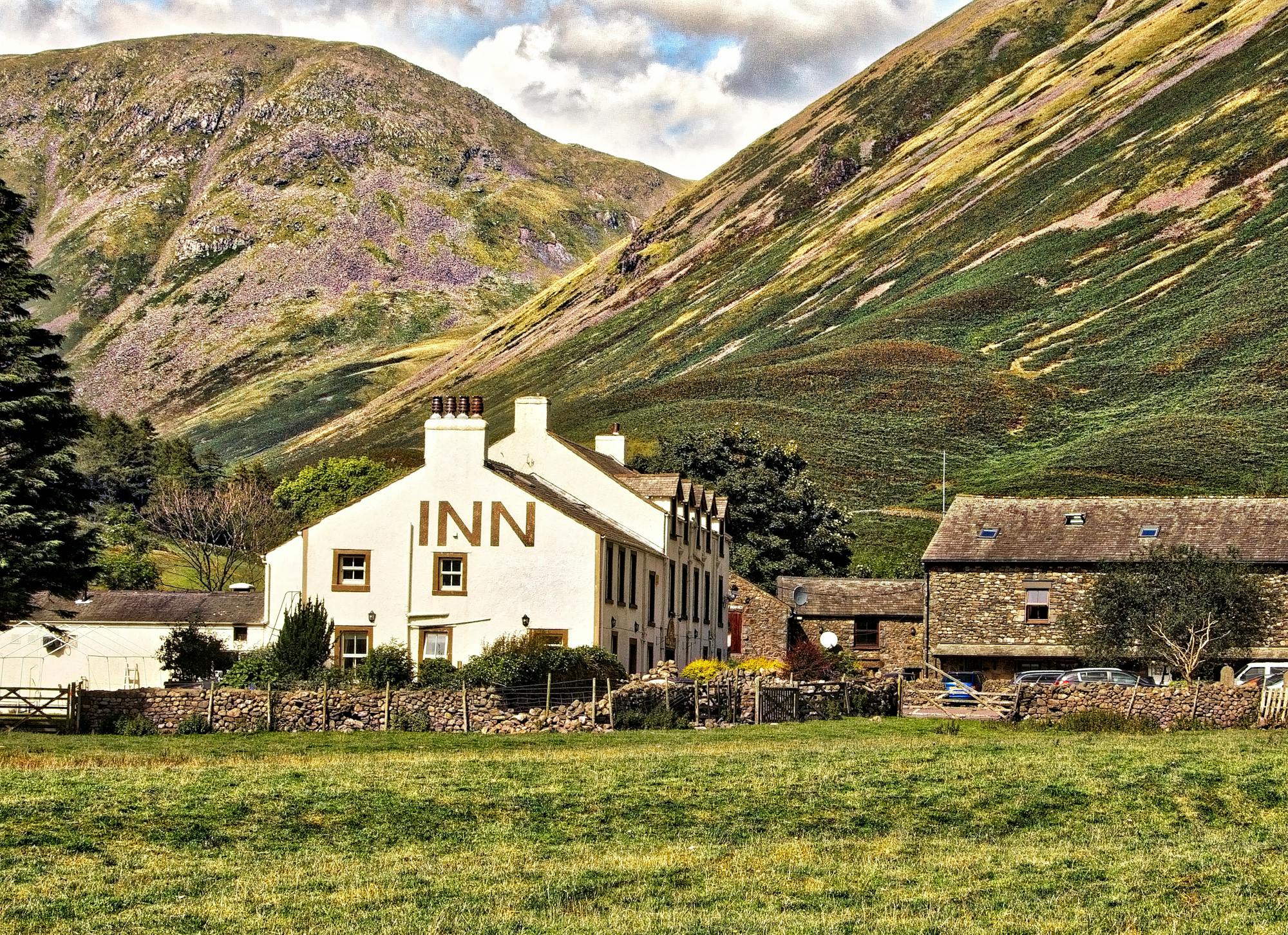
England's accommodation landscape is as varied as the country itself, from historic country house hotels and traditional coaching inns to London's full spectrum of backpacker hostels and five-star Mayfair institutions, and the beloved British bed and breakfast throughout the countryside. Choosing the right base for your itinerary is crucial, as England's geography and transport network mean that location significantly affects what you can realistically explore each day.
Where to Stay in England
If you're deciding where to stay in england, the main choice is usually between London, the countryside, and the coast, and many travelers split time between them for a night or longer depending on whether they want a city base, a rural retreat, or scenic walks along coastal paths; an accommodation in an ideal location can make it easy to divide your time between all three. England's public transport makes major cities easy to link, so choosing the right accommodation often comes down to pace, scenery, and how much you want to explore.
For a first visit, stay in london near Westminster in central london for easy access to landmarks and theaters.
Bath stands out for Georgian architecture and Roman baths, York for medieval history, the Cotswolds for honey-colored village settings and rolling hills, the Lake District for mountain scenery, and Cornwall in the south west for its fishing villages and sandy beaches on the coast, while England also appeals for historic castles and landscaped gardens and remains one of the classic holiday choices in Britain.
The best hotels are only part of the picture, because top options also include self-catering, a traditional hotel, a holiday home, a country house, and historic inns that combine an atmospheric pub, a well-regarded restaurant, and comfortable lodging, often with a welcoming bar that adds to the stay, so the right property depends on the kind of stay you want. For cheaper stays, hostels suit solo travelers and families, while B&Bs are often in a great location in a smaller town near the high street, with shops, pubs, and local sights just a short walk away. Airbnb is popular with families who want more space.
Self-catering is the perfect place for groups who want flexibility around breakfast and dinner, plus more room to rest between outings. A static caravan can offer more spacious rooms than standard camping. Campsites across England are an affordable way to enjoy the english countryside. Many are within easy reach of old inns with open fires, local food, and a warm welcome.
Glamping is a more luxurious take on camping, with options that range from safari tents to cabins with a hot tub, often set among wildflower meadows. Among the most unique places are a lighthouse cottage on a Cumbrian nature reserve, treehouses in Dorset, and converted train carriages in Sussex, with some larger stays offering separate bedrooms.
Cotswolds cottages are especially popular for romantic getaways and are perfectly positioned for couples who want quiet villages and easy access to walks.
For families, Louma Country Hotel in Dorset is a strong pick, especially if a kids club or pool matters. Cornwall is also a perfect location for beaches, seafood, and charming fishing villages, and it suits day trippers too, but book early for summer and school holidays.
The lake district is ideal for outdoor adventures, with famous lakes and mountains that reward a longer visit. Similar stays also draw travelers to the Peak District. It also appeals to anyone who wants the great outdoors and stays near a national park.
At the luxury end, Claridge's is a London classic that has operated since 1812, with Queen Victoria-era heritage, while Coworth Park pairs a luxurious country setting with 240 acres of parkland and polo fields. Lucknam Park has been a hotel since the late 1990s and is known for excellent food, with one of the country's Michelin starred restaurants and a Michelin star held for 20 years.
For a more rural retreat, Fowlescombe Farm offers an eco-conscious stay, and Dakota Newcastle has a 9.5 rating. Wilde Cambridge City Centre scored 9.2 from guests, and The Fleece Inn in Haworth is a well-rated 9.4 base for walkers.
Driving is best for villages and rural areas, especially if you want to visit quiet lanes, beaches, or scenic routes with easy access to the dramatic coastlines. Pack layers and waterproofs for the weather, and remember England suits everything from a weekend city break to a longer trip.