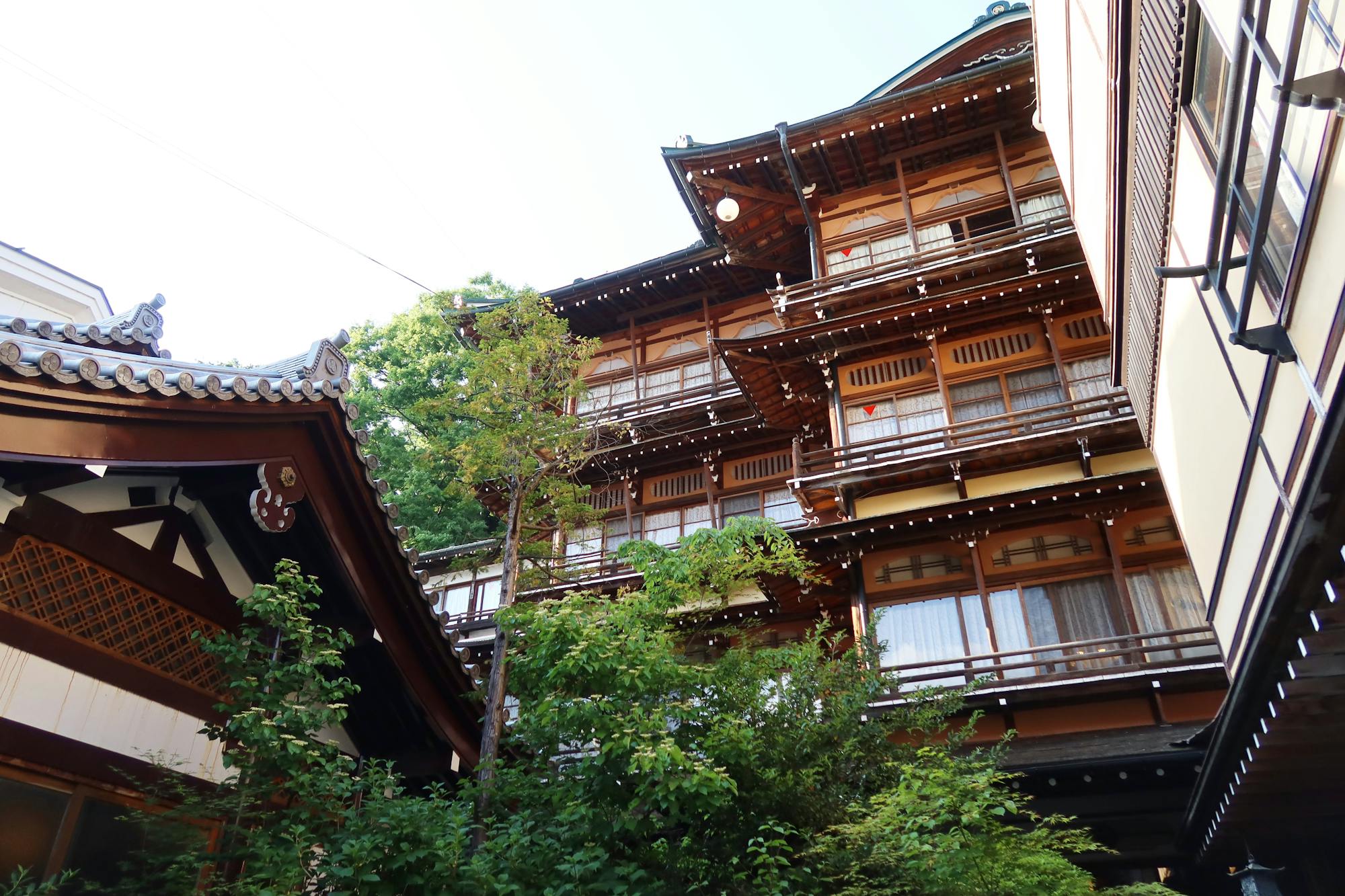
Tokyo's neighbourhood choice shapes your entire experience: Shinjuku is the buzzing gateway with the best transport links and everything from capsule hotels to Park Hyatts; Shibuya suits night-owls and shoppers; and Ginza offers luxury retail and refined kaiseki dining steps from the Imperial Palace. Kyoto is where the traditional ryokan experience reaches its zenith.
Best Areas to Stay
In Tokyo, Shinjuku is the most convenient base — it's the city's main transport hub with direct trains to the airport and easy access to all metro lines. Asakusa in the east offers a more traditional, historic atmosphere near Senso-ji. Shibuya and Harajuku suit younger travellers and fashionistas. In Kyoto, staying in the Higashiyama district near the major temples and geisha districts of Gion and Pontocho allows for early morning and evening exploration before and after tour groups. In Osaka, Namba and Shinsaibashi are the most vibrant areas near Dotonbori street food and nightlife. For an onsen town escape, Hakone, Nikko (near Tokyo) and Kinosaki, Arima Onsen (near Kyoto) are the finest ryokan destinations.
Luxury Stays
Japan's luxury accommodation spans two very different worlds. At the top of the Western-style luxury market, Tokyo's Aman Tokyo (in the Otemachi financial district with stunning views of the Imperial Palace gardens) and the Park Hyatt Tokyo (made famous by the film Lost in Translation) are world-class. Kyoto's Tawaraya Ryokan, over 300 years old, is widely regarded as the finest traditional inn in Japan — rooms cost over $1,000 per night but include elaborate multi-course dinners and breakfasts. For a luxurious onsen experience, Gora Kadan in Hakone and Hoshi Ryokan in Awazu represent the pinnacle of traditional Japanese hospitality (omotenashi).
Mid-Range and Boutique Options
Japan's mid-range hotel market is excellent — the business hotel chains (Dormy Inn, Toyoko Inn, APA Hotels, Super Hotel) offer spotlessly clean, compact rooms with free breakfast and in-house onsen baths at ¥8,000–¥15,000 per night (approximately €50–€95). These are outstanding value for solo travellers and couples. Mid-range ryokans in onsen towns offer the full tatami and kaiseki experience for ¥15,000–¥30,000 per person including dinner and breakfast. Japan's growing network of machiya townhouse rentals in Kyoto are beautiful, atmospheric, and well-priced for groups.
Budget Accommodation
Capsule hotels are a uniquely Japanese experience — individual sleeping pods with TV, charging points, and privacy screens, typically ¥3,000–¥5,000 (€19–€32) per night including access to communal hot spring baths and lounges. Modern capsule hotels like Nine Hours in Tokyo and Kyoto are design icons. Hostels in Japan are exceptionally clean and well-run — Kyoto's The Millennials capsule hostel and Tokyo's Bunka Hostel near Senso-ji are highly rated. Temple lodgings (shukubo) on sacred Mount Koya offer an extraordinary budget spiritual experience for approximately ¥15,000 per person including meals.
Booking Advice
Japan accommodation fills rapidly during cherry blossom season (late March to early April) and Golden Week (late April to early May) — book these periods 3–6 months ahead. Autumn foliage season (mid-November in Kyoto) is similarly competitive. Most Japanese hotels require payment at check-in and have strict cancellation policies — read terms carefully. Jalan and Rakuten Travel are Japan's leading domestic booking platforms, often offering better rates and more ryokan options than international platforms. For ryokans, some traditional properties still don't list on global booking sites — use a Japan travel specialist or contact directly.