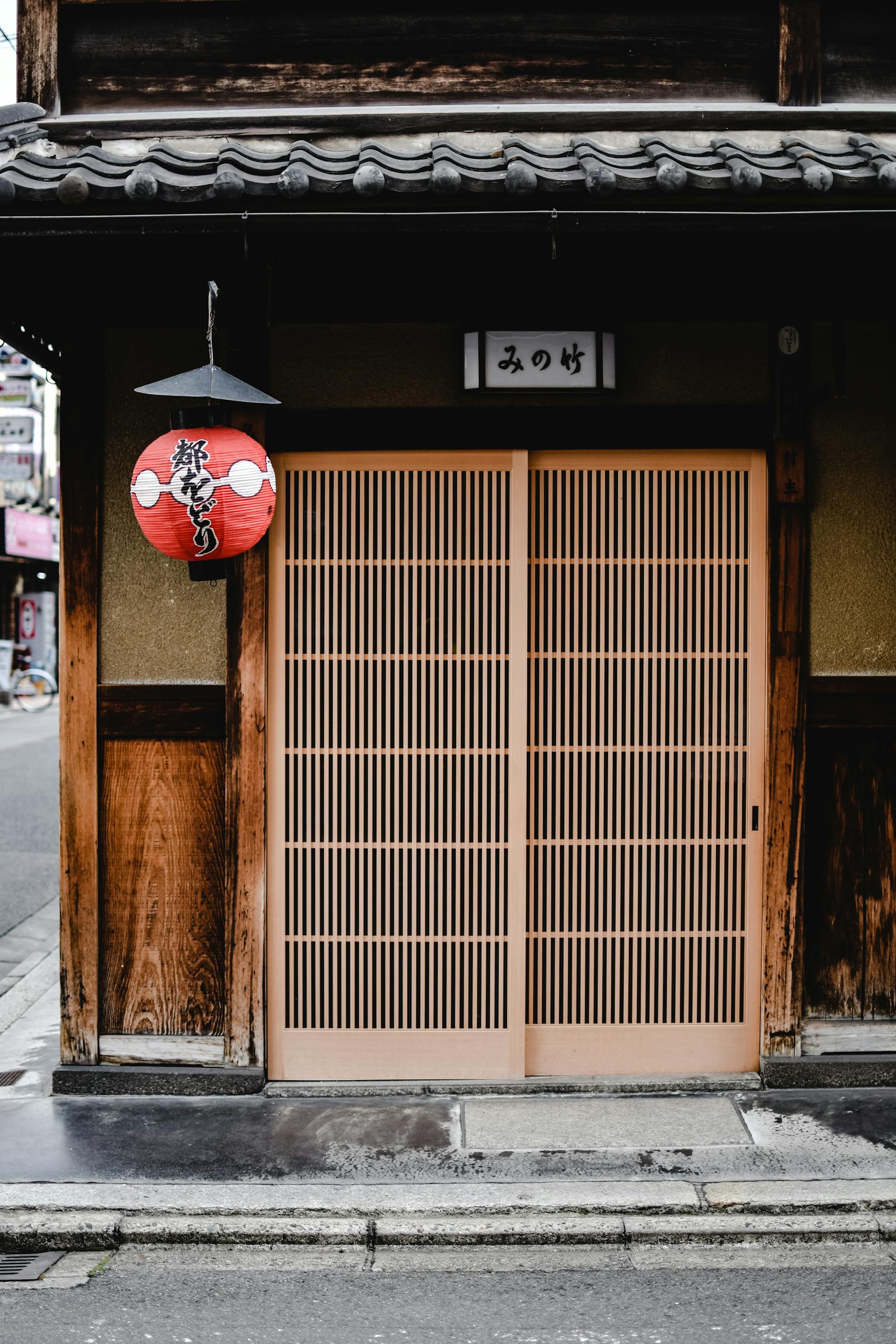
Kyoto's accommodation scene is one of Japan's most varied — from centuries-old ryokan inns in the Gion geisha district to minimalist design hotels near Kyoto Station, riverside retreats in Arashiyama, and affordable guesthouses in the quiet neighborhoods that most visitors never reach.
Where to Stay in Kyoto: Neighborhoods Overview
| Area | Best For | Vibe |
|---|---|---|
| Gion | Atmosphere, geisha district, traditional inns | Historic, romantic, slightly expensive |
| Higashiyama | Walking distance to temples, traditional feel | Quiet evenings, stone-paved lanes |
| Kyoto Station Area | Transport hub, day trips, budget to mid-range | Convenient, less atmospheric |
| Downtown (Kawaramachi/Nakagyo) | Restaurants, shopping, central access | Lively, walkable, modern |
| Arashiyama | Nature, bamboo, river views, romance | Serene, scenic, pricier |
| Fushimi | Quiet base, sake country, budget | Local, less touristy |
Gion — Best for Atmosphere & Tradition
Staying in Gion is Kyoto's most atmospheric accommodation experience — wooden machiya townhouse guesthouses, traditional ryokan inns, and the chance to step outside at dusk and walk lantern-lit cobblestone lanes that have barely changed in 300 years. Hanamikoji Street is around the corner; Kiyomizudera is a 15-minute walk; Nishiki Market is 10 minutes on foot.
Hotel picks:
- Gion Hatanaka (luxury ryokan): One of the few ryokan in Gion that still arranges private ozashiki performances with geiko and maiko. An exceptionally rare experience. Book 6+ months ahead.
- The Thousand Kyoto (design hotel): A sleek contemporary hotel on the edge of Gion — rooftop bar, refined Japanese restaurant, and rooms with the Japanese-minimalist aesthetic done right.
- Kyomachiya Ryokan Sawaya Honten (mid-range ryokan): A converted machiya townhouse with tatami rooms, garden views, and a genuine ryokan atmosphere without the luxury ryokan price tag.
Higashiyama — Best for Temple Access
The Higashiyama district — the foothills east of central Kyoto — is home to Kiyomizudera, the stone-paved Ninenzaka and Sannenzaka lanes, and several smaller but exquisite temples. Staying here puts you steps from the most scenic parts of Kyoto at dawn and dusk, when the day-trippers have gone.
Hotel picks:
- Aman Kyoto (ultra-luxury): Hidden in the forested hills of Kinugasa, north of the Golden Pavilion — Aman's most nature-immersive property, with rooms that open directly onto moss gardens. The most expensive accommodation in Kyoto and worth every yen for a special occasion.
- Kyoto Higashiyama Hostel (budget): A design-conscious hostel in a renovated machiya near Kiyomizudera — private rooms and dorms, excellent common spaces, and some of the best budget-to-location value in Kyoto.
Downtown Kyoto (Kawaramachi/Nakagyo) — Best for Convenience
Downtown Kyoto — the area around Kawaramachi, Shijo, and Teramachi streets — is Kyoto's most practical base: Nishiki Market is here, the Hankyuu and Kyoto Municipal Subway lines are convenient, and the concentration of restaurants and cafés is the city's highest. Less atmospheric than Gion, but excellent value and genuinely central.
Hotel picks:
- Hotel Granvia Kyoto (upper mid-range): Directly above Kyoto Station — the most convenient possible location for day trips to Nara, Osaka, and Hiroshima, with reliable service and comfortable rooms.
- Dormy Inn Premium Kyoto Ekimae (mid-range): Japan's best mid-range chain — natural onsen baths, late-night ramen service, and clean, well-designed rooms near Kyoto Station. Excellent value.
- HOTEL THE MITSUI KYOTO (luxury): Opened in 2020 in a landmark heritage building on the edge of Nijo Castle grounds — a stunning property that combines Japanese cultural heritage with contemporary luxury. One of Kyoto's top hotels.
Arashiyama — Best for Romance & Nature
Staying in Arashiyama means waking up to the bamboo grove and the Oi River before the tour groups arrive — an extraordinary privilege. The area is quieter in the evening and early morning than anywhere else in Kyoto, with the forest and river sounds replacing traffic. It's a 30-minute bus or 20-minute train ride to central Kyoto, making it practical as well as peaceful.
Hotel picks:
- Hoshinoya Kyoto (ultra-luxury): Accessible only by boat up the Oi River, this extraordinary ryokan sits surrounded by forested mountains — no roads reach it. Kaiseki dinners, private onsen, and morning meditation. One of Japan's most exclusive properties.
- Arashiyama Benkei (luxury ryokan): A river-facing ryokan with tatami rooms, private river-view balconies, and an excellent in-house onsen. The image of Japan that most visitors picture.
Where to Stay in Japan: Regional Guide
Beyond Kyoto, here's how to think about where to stay across Japan:
- Tokyo: Shinjuku (most convenient), Shibuya (most stylish), Asakusa (most traditional). See our full Tokyo accommodation guide for details.
- Osaka: Namba or Shinsaibashi for nightlife and food; Umeda (Osaka Station area) for transport convenience; Nakazakicho for boutique and budget options.
- Hakone: Stay in a mountain ryokan — this is the entire point of going to Hakone. Fujiya Hotel (historic), Gora Kadan (luxury), or Ryokan Setsugekka (mid-range) are all excellent.
- Hiroshima: Stay near Peace Memorial Park for easy access to the museum and the Miyajima ferry. Ana Crowne Plaza Hiroshima and Rihga Royal Hotel are the most reliable options.
- Hokkaido (Sapporo): JR Tower Hotel Nikko Sapporo is directly above Sapporo Station — ideal for ski trips. Mitsui Garden Hotel Sapporo is excellent mid-range.
Booking Tips for Kyoto Accommodation
- Cherry blossom season (late March–early April): Book 3–6 months ahead. Ryokan in Gion and Higashiyama sell out entirely. Mid-range hotels double in price.
- Autumn foliage (mid-November): Book 2–4 months ahead. Second most popular season — same supply constraints as spring.
- Off-peak (January–February, June, late August): Prices drop 30–50%. January–February in particular offers excellent value and the rare chance to see Kyoto in snow.
- Ryokan booking: Most traditional ryokan require advance reservations and often require a Japanese speaker. Use Relais & Châteaux, Ikyu.com, or a specialist Japan travel agency for the best luxury ryokan access.