Lisbon is a city of distinct neighborhoods, each with its own character and appeal — choosing the right area to stay shapes your entire experience, whether you want to wake up to fado echoing through cobbled lanes or be minutes from world-class museums and restaurants.
Alfama — For Atmosphere and Authenticity
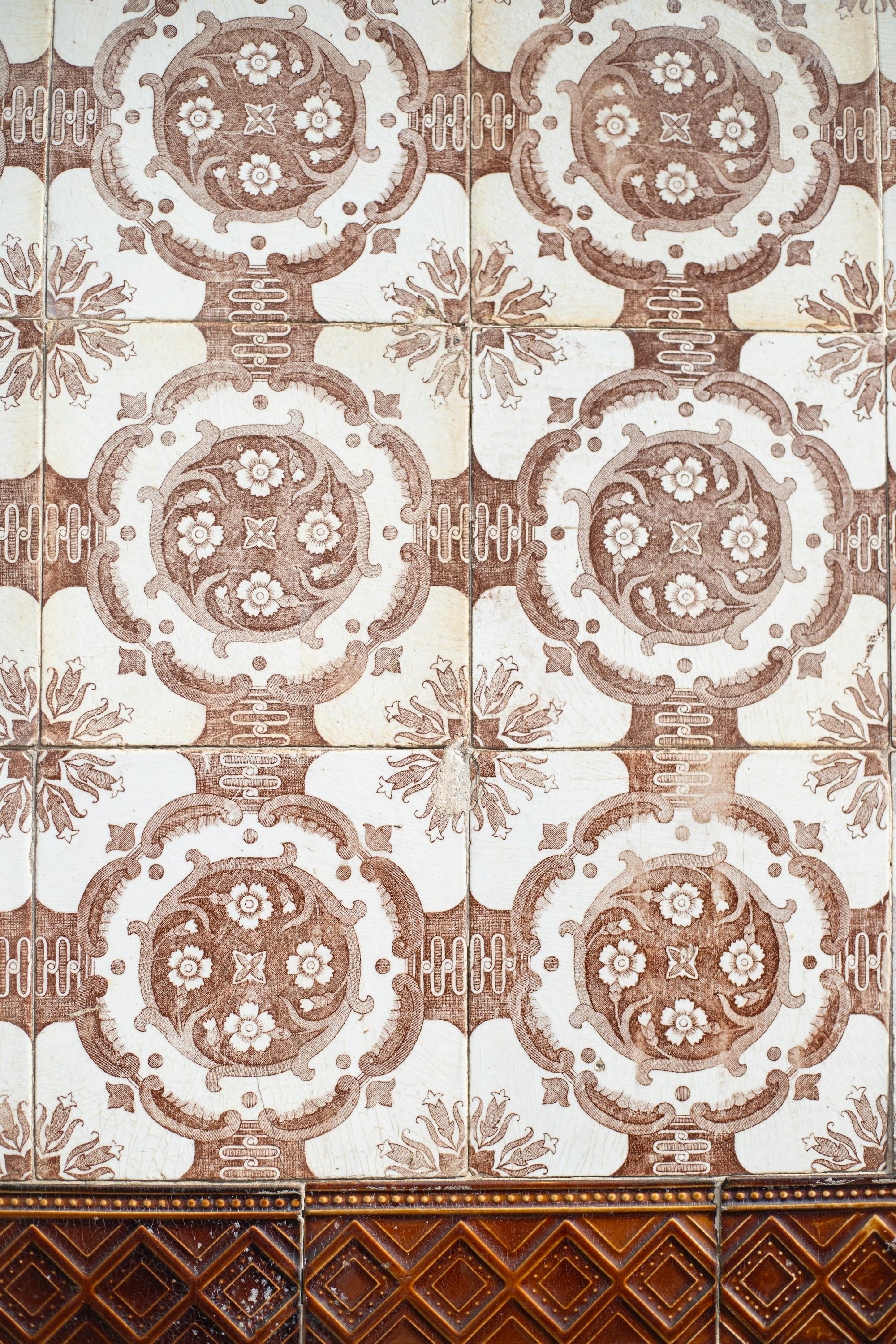
Alfama is Lisbon's oldest and most atmospheric neighborhood — a labyrinth of steep lanes, tiled houses, and fado bars tumbling down from São Jorge Castle to the Tagus. Staying here puts you in the heart of Lisbon's soul, with easy access to the castle, the Sé Cathedral, and the best fado venues. The trade-off is that streets are steep and narrow (no cars can reach most guesthouses), tuk-tuks are limited, and the neighborhood can be noisy on weekend nights. Best for: atmosphere-seekers, fado fans, couples.
Baixa / Chiado — For Central Location
The Baixa (Lower Town) is Lisbon's pedestrian shopping district, rebuilt in grid-plan after the 1755 earthquake. It's the most central area and the easiest base for exploring the city, with trams, metro, and bus connections in every direction. The neighboring Chiado district — with its literary cafés, theaters, and upscale boutiques — is one of Lisbon's most elegant areas. Hotels here range from budget to luxury, and the location is hard to beat. Best for: first-time visitors, business travelers, those who prefer central convenience.
Bairro Alto — For Nightlife and Dining
Bairro Alto is Lisbon's traditional nightlife district — a hillside neighborhood of 17th-century townhouses whose narrow streets come alive after dark with bars, restaurants, and fado houses. By day it's relatively quiet, with independent shops and galleries. Accommodation is mostly small guesthouses and boutique hotels. The neighborhood is walkable to Chiado and connected to the riverside by the Elevador da Glória funicular. Best for: nightlife lovers, foodies, those who want to be in the action.
Príncipe Real — For Boutique Luxury
Príncipe Real is Lisbon's most fashionable residential neighborhood — a leafy, elegant district of aristocratic palaces converted into boutique hotels, designer restaurants, and sophisticated concept stores. The Saturday antiques market in the Jardim do Príncipe Real is one of the best in the city. Accommodation here tends toward boutique hotels and upscale guesthouses. Best for: design-conscious travelers, those seeking a quieter but central location, luxury boutique hotel guests.
Belém — For Museums and Monuments
Staying in Belém puts you within walking distance of the Jerónimos Monastery, Torre de Belém, the Museu dos Coches, and the famous Pastéis de Belém bakery. The neighborhood is quieter than central Lisbon and more residential in character. It's well connected by tram to the city center. A good choice if your main focus is the Belém monuments and you prefer a calmer base. Best for: museum-goers, families, those prioritizing the Belém sights.
Mouraria — For Budget Travelers and Local Life
Mouraria, the ancient Moorish quarter adjacent to Alfama, is one of Lisbon's most authentic and multicultural neighborhoods. It's less polished than Chiado or Príncipe Real, with excellent budget guesthouses and hostels alongside authentic local restaurants. The neighborhood is known for its street art, live music, and the vibrant Intendente square. Best for: budget travelers, those seeking a more local experience, independent travelers.
Cais do Sodré — For Riverfront Access
Cais do Sodré, by the Tagus River, has transformed from a slightly rough-around-the-edges docklands area into one of Lisbon's most fashionable neighborhoods. It's home to Time Out Market, the Pink Street bar strip, the ferry terminal to Cacilhas, and some of the city's best boutique hotels with river views. Best for: food lovers, those wanting riverside walks, design hotel enthusiasts.
Practical Tips for Booking in Lisbon
Lisbon's hills mean that location relative to metro and tram stops matters more than in flat cities. Check that your accommodation has elevator access if stairs are a concern — many historic buildings don't. Book well in advance for summer (June–August), when prices spike significantly. The city has excellent mid-range boutique hotel options; standard international chain hotels tend to be less interesting value. Short-term apartments work well for stays of a week or more and can offer better value than hotels with kitchens included.