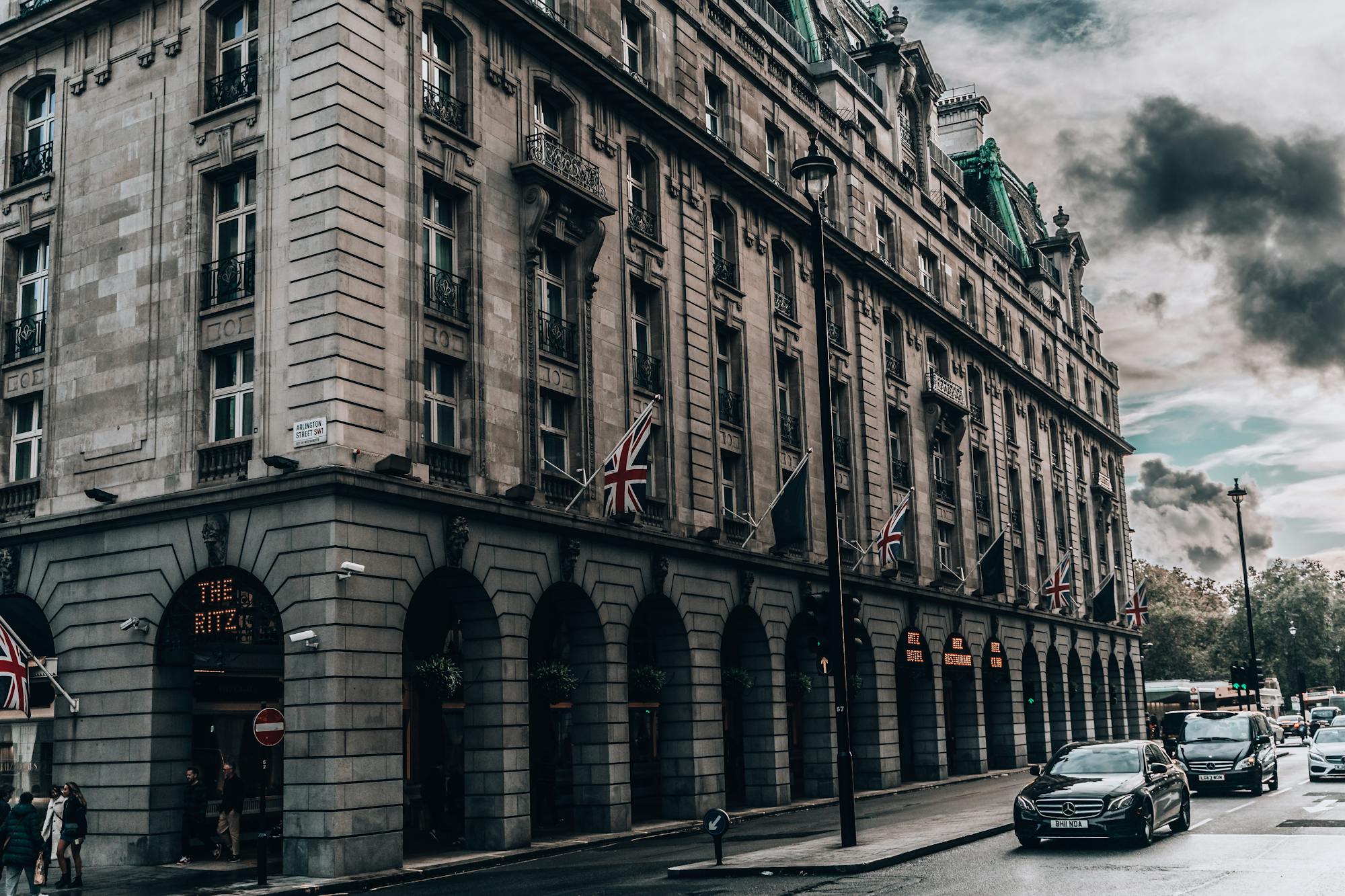
London is one of the world's most expensive cities to stay in, but the sheer range of accommodation — from elegant Georgian townhouse hotels to innovative budget hostels, quirky boutique properties, and historic grand hotels — means there is something for every budget. Location matters enormously in a city this size: choosing the right neighbourhood can save hours of commuting and dramatically shape your experience.
Where to Stay in London
Best Areas to Stay in London
Choosing where to stay in London matters more than in many cities because the experience changes dramatically by neighborhood. For first-time visitors, staying in central London usually makes sightseeing easier, especially if you want quick access to the city center and the most useful central neighborhoods. We focused on areas that are genuinely practical for travelers, weighing transit, atmosphere, nearby sights, hotel range, and how easy it is to explore on foot. In most cases, a central location with major landmarks in walking distance will save you time and make the trip smoother.
How We Chose the Best Areas
This is a neighborhood-based ranking rather than a hotel-only list because London is too varied for one type of stay to fit everyone. We compared each area based on access to transport, sightseeing convenience, hotel quality across budgets, local character, and whether the area suits first-time visitors, families, couples, or repeat travelers. We removed areas that are either too remote, too interchangeable, or less practical unless you have a very specific reason to stay there.
Best 9 Areas to Stay in London
1. Covent Garden / Soho / West End
This is the best all-around choice for most first-time visitors because it puts you in the heart of London's theater, dining, and sightseeing scene. If you want the classic busy-core experience, covent garden works especially well.
Why It Stands Out
This part of the west end is one of the easiest places to explore without constantly relying on transport. Staying around soho and covent garden also gives you a strong mix of restaurants, shopping, nightlife, and historic streets.
Best For
First-time visitors, theatergoers, short city-break travelers, and anyone who wants to be in the middle of the action.
Key Strengths
Leicester Square is right in the middle of the entertainment district, so evenings are especially convenient here.
You can walk to Trafalgar Square quickly, which makes this area excellent for sightseeing.
Charing Cross is useful if you want a central base with strong rail and Underground connections.
Possible Limitations
Hotels here can be expensive for the space you get.
The area is lively, which may not suit travelers who want quiet nights.
A stay here also puts you close to the Royal opera house, major theaters, and busy dining streets. If you choose the eastern edge, Tottenham Court Road gives you better access to shopping and fast connections across town. Hotel-wise, this area has everything from a smart boutique hotel to a polished property with compact rooms that trade size for location.
2. Westminster / Victoria
Westminster and Victoria are ideal if your priority is iconic landmarks, practical transport, and a slightly calmer feel than the theater-heavy core. This area works particularly well for short stays built around major sights.
Why It Stands Out
It gives you quick access to royal and political London while staying highly connected for arrival and day trips. If you are coming in from Gatwick or planning onward rail travel, being near Victoria Station is especially convenient.
Best For
First-time visitors, couples, rail arrivals, and travelers focused on classic London landmarks.
Key Strengths
You can reach Big Ben and the Houses of Parliament very easily from here.
Buckingham Palace is nearby, making this one of the best bases for first-time sightseeing.
Staying close to Westminster Bridge also puts you near the river and several headline attractions.
Possible Limitations
Parts of Victoria feel more functional than atmospheric.
Hotel prices can jump when demand is high.
For transport, this is one of the simplest areas to use if you are arriving from Heathrow Airport and want straightforward onward connections. Sightseeing is the bigger draw, though, because many hotels are within a short walk of Westminster's main landmarks. You will also find dependable chain options and the occasional cheap hotel if you book early.
3. South Kensington
South Kensington is one of the most polished places to stay in London, with elegant streets, museums, and a calmer pace than busier tourist zones. It is a strong pick if you want a refined base without feeling too far out.
Why It Stands Out
South Kensington balances culture, comfort, and residential charm very well. It is especially appealing if you want museums and attractive streets rather than nightlife.
Best For
Families, museum lovers, couples, and travelers who prefer a quieter upscale stay.
Key Strengths
The Natural History Museum is one of the area's biggest advantages for visitors.
You are also well placed for Hyde Park when you want open space in the middle of the city.
Kensington Gardens adds to the neighborhood's elegant feel and makes it one of the best areas for nearby green spaces.
Possible Limitations
It is less exciting at night than Soho or Covent Garden.
Hotels can be pricey, especially in peak season.
This area often suits travelers who want more than a standard hotel room, especially when choosing aparthotels or larger family-friendly stays. Some of the better properties mix period architecture with modern style, while others lean into quiet luxury with a small swimming pool or extra family space.
4. South Bank / Bankside
The South Bank is one of the most visually rewarding places to stay, with riverside walks, major attractions, and strong cultural appeal. It feels slightly less hectic than the West End while still keeping you close to the action.
Why It Stands Out
The South Bank runs along the River Thames, so it offers some of the best scenic walking routes in the city. It also makes it easy to sightsee on foot while enjoying a more open layout than many dense central districts.
Best For
Couples, culture-focused visitors, walkers, and return travelers who want a slightly different central base.
Key Strengths
The London Eye is one of the area's headline attractions and a clear landmark for first-time visitors.
Tate Modern gives the neighborhood real cultural depth beyond the standard sightseeing list.
From here you can easily reach Borough Market, London Bridge, and Tower Bridge on foot.
Possible Limitations
Some parts are quieter late at night than the West End.
South of the river, transport can feel a bit less direct than on the north bank.
This area is especially appealing if you like long walks between sights, crossing bridges, and stopping at cafés or galleries along the way. Parts of Bankside still show traces of old warehouses and converted industrial buildings, which gives the neighborhood more character than many purpose-built hotel zones. Budget travelers can also look at ibis hotels here, since they are often a practical option for a good price.
5. King's Cross / Bloomsbury
King's Cross and Bloomsbury are among the most practical places to stay if you value rail links, museum access, and a more balanced price-to-location ratio. They feel less glamorous than Mayfair or Covent Garden, but they are often smarter choices.
Why It Stands Out
King's Cross is one of London's best-connected arrival points, and nearby Bloomsbury adds a quieter academic feel. If you are staying near King's Cross St Pancras, you can get around the city and beyond with minimal hassle.
Best For
Train arrivals, museum visitors, solo travelers, and anyone who wants convenience over atmosphere.
Key Strengths
The British Museum is a major reason to choose nearby Bloomsbury.
Almost every part of London is easy to reach from a nearby tube station.
This area often gives you more space and better value than the busiest tourist districts.
Possible Limitations
Some blocks feel more practical than memorable.
The hotel stock is mixed, so quality varies.
This is one of the best areas if you want a useful base for onward rail travel or Eurostar connections. Several properties are just minutes walk from the station, which is helpful for early departures or heavy luggage. Hotel examples range from reliable business stays to design-led spots with stylish rooms.
6. Mayfair
Mayfair is the classic choice for travelers who want a polished, expensive, and unmistakably upscale London stay. It is not the most budget-friendly option, but it is one of the most prestigious.
Why It Stands Out
This is the district of grand addresses, private clubs, and many luxury hotels. If your priority is high service and an elegant setting, Mayfair has some of London's best-known luxury hotels.
Best For
Luxury travelers, couples, special occasions, and shoppers.
Key Strengths
Bond Street places you near some of the city's best shopping.
Green Park gives the area welcome breathing room despite the premium location.
The western edge near Marble Arch makes access to Oxford Street and Hyde Park straightforward.
Possible Limitations
Prices are high across almost every category.
It can feel formal compared with livelier districts.
This is where you are more likely to find a true super boutique hotel or a grand property delivering modern luxury behind a historic façade. Some offer luxurious rooms, a discreet library bar, or a celebrated rooftop bar that turns the stay into part of the trip itself.
7. Camden Town
Camden Town is one of the best picks for travelers who want a neighborhood with personality, nightlife, and a less polished version of London. It is a good fit if your trip is about energy and character rather than classic postcard sights.
Why It Stands Out
Camden Town has a distinct identity built around markets, canal walks, nightlife, and alternative culture. The area is especially attractive if you want pubs, bars, and music venues instead of royal landmarks.
Best For
Younger travelers, nightlife-focused visitors, repeat visitors, and anyone who prefers a more local-feeling base.
Key Strengths
The Northern line makes getting into the center relatively easy.
The area has strong personality and a memorable street scene.
Hotels and guesthouses can feel less generic than those in more corporate areas.
Possible Limitations
It is not the most convenient base for classic first-time sightseeing.
Some streets can be noisy, especially on weekends.
Camden also has a better chance of delivering a genuinely great hotel experience if you like independent places with edge rather than formal luxury. A smaller property here may have a more relaxed atmosphere, simple design, and better value than central flagship hotels.
8. Notting Hill
Notting Hill suits travelers who want attractive residential streets, cafés, and a more relaxed west London setting. It is less central than Covent Garden or Westminster, but it offers charm that many visitors specifically want.
Why It Stands Out
Notting Hill is visually one of London's most recognizable districts, with market streets, colorful houses, and a more neighborhood-led feel. It also works well if you want to explore west London and nearby adjacent neighborhoods without staying somewhere overtly touristy.
Best For
Couples, slower-paced travelers, return visitors, and people who value atmosphere over convenience.
Key Strengths
The area feels more residential and distinctive than many hotel-heavy zones.
There are good food and shopping options without central-core crowds.
It is especially appealing for travelers who want London character rather than just landmark access.
Possible Limitations
It is less efficient for nonstop sightseeing.
Hotel choice is more limited than in the main tourist districts.
Accommodation here often leans toward converted townhouses and smaller design properties. Some are on the ground floor of period buildings, while others focus on bright interiors and a home-like setup rather than full-service amenities. If you want a local-feeling stay, this can be a strong alternative to the busiest districts.
9. City of London / Shoreditch
This final pick works best if you already know London a little or want a different mix of history, business energy, and nightlife. It is less universal than the top options, but it is meaningfully distinct.
Why It Stands Out
The City has a weekday buzz shaped by finance and old street patterns, while Shoreditch brings a trendier edge from East London. This combination gives you access to both business districts and creative areas, though the atmosphere changes noticeably depending on where exactly you stay.
Best For
Business travelers, repeat visitors, nightlife-focused travelers, and people who want a less conventional base.
Key Strengths
The City mixes historic buildings with towers and major institutions.
During the week, the area is busy with workers and dense clusters of office buildings.
Shoreditch benefits from access around Liverpool Street Station and nearby nightlife.
Possible Limitations
Parts of the City become quiet on weekends.
Shoreditch can be noisy and less appealing for travelers who want a classic sightseeing base.
If you stay farther east, you are closer to the bars and creative energy tied to London's East End, though that is not always the most practical choice for first-time trips. Some visitors enjoy the contrast between old lanes, newer towers, and pockets of redevelopment, but this area is better for people who specifically want that urban mix.
Quick Comparison of the Best Areas
Covent Garden / Soho / West End – Best for first-time visitors who want theaters, dining, and easy sightseeing
Westminster / Victoria – Best for iconic landmarks and rail convenience
South Kensington – Best for museums, families, and a calmer upscale stay
South Bank / Bankside – Best for riverside walks and culture
King's Cross / Bloomsbury – Best for transport convenience and value
Mayfair – Best for luxury stays and high-end shopping
Camden Town – Best for nightlife and alternative character
Notting Hill – Best for charm and a residential feel
City of London / Shoreditch – Best for business, nightlife, and repeat visitors
How to Choose the Right Area
The best place to stay depends less on star rating and more on how you plan to spend your time in London.
Choose Based on Sightseeing Priorities
If this is your first trip and you want the easiest sightseeing, stay in Covent Garden, Westminster, or the South Bank. These areas put major landmarks within reach and reduce transport time.
Choose Based on Transport Needs
If rail access matters most, King's Cross and Victoria are the strongest picks. They are especially useful for airport or train arrivals and for travelers moving around quickly.
Choose Based on Budget and Hotel Style
London has every type of stay, from grand hotels to simple budget chains. If you want cheap accommodation in a practical central area, look harder at Victoria, King's Cross, or parts of Bankside rather than Mayfair. Some areas also have seasonal hotel offers that make a higher-category stay more realistic. If style matters more than full service, choose a smaller design-led property instead of paying extra for a standard luxury flag.
Which Area Is Best for You?
Choose Covent Garden / Soho / West End if you need the most convenient first-time base.
Choose Westminster / Victoria if you want landmark access and easy train connections.
Choose South Kensington if your priority is museums, calm streets, and elegant surroundings.
Choose South Bank / Bankside if you want riverside scenery and cultural attractions.
Choose King's Cross / Bloomsbury if you want practical transport and strong value.
Choose Mayfair if you want a premium stay with standout service.
Choose Camden Town if you want nightlife and personality.
Choose Notting Hill if you prefer charm and a slower pace.
Choose City of London / Shoreditch if you want business convenience or creative nightlife.
Final Thoughts
For most travelers deciding where to stay in London, Covent Garden / Soho / West End is the strongest all-around answer because it combines access, atmosphere, and convenience. Westminster and South Kensington are close behind for travelers with more specific priorities, while King's Cross often makes the most sense for value and transport. London is too varied for one neighborhood to suit everyone, so the best choice depends on whether you care most about landmarks, nightlife, museums, hotel quality, or budget.