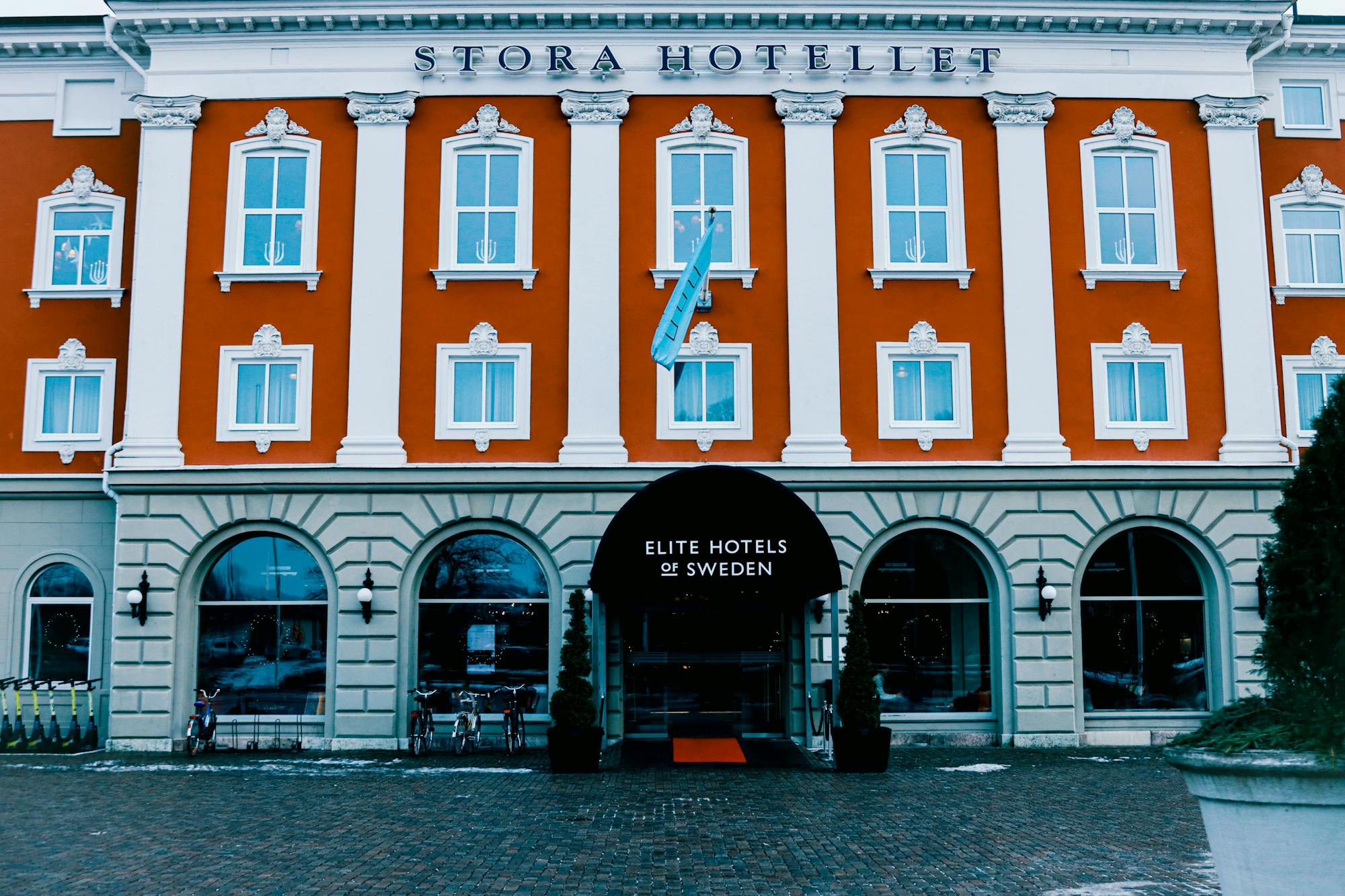
Scandinavia's accommodation reflects the region's values: clean lines, exceptional quality materials, functional beauty, and a deep connection to the natural environment, from design hotels in Copenhagen and Stockholm that set international standards for minimalist luxury to Norwegian fjordside lodges and Arctic wilderness camps. Accommodation here tends to be expensive, but the quality-to-price ratio is typically very high.
Where to Stay in Scandinavia
Best Places to Stay for Where to Stay in Scandinavia
Scandinavia is one of the most varied travel regions in Europe, and this guide looks at the best places to stay across the Nordic countries based on destination fit, stay style, season, access, and budget. Rather than force a long list, this ranking focuses on the strongest bases for a first or repeat trip, from major cultural hubs to Arctic escapes, fjord regions, and coastal islands. The goal is simple: help visitors choose the right accommodation for how they want to travel, whether that means a walkable city break, a scenic road trip, a self catering base, or a remote stay close to nature.
How We Chose the Best Places to Stay
We ranked each destination by the range of stays available, how easy it is to get around from the city center or regional hub, and how well it works for different seasons. We also looked at transport practicality by train, boat, and car, plus access to hiking, fjords, museums, and major sights. Overall value mattered too, including whether a place suits a short visit, a longer trip, or travelers heading further north.
Best 7 Places to Stay for Where to Stay in Scandinavia
1. Copenhagen, Denmark
Copenhagen is the easiest all-around base for many first-time travelers and one of the strongest urban picks in Denmark. It combines design, history, food, and easy transport with a compact layout that makes it a great place to start.
Why It Stands Out
The city is highly walkable, lively, and well connected, with Tivoli Gardens adding one of the region's most-known attractions. If you want to visit Copenhagen and still keep your plans flexible, it works well for both short breaks and multi-stop itineraries.
Best For
Travelers who want a stylish capital with strong transit, excellent dining, and easy sightseeing.
Key Strengths
Excellent and clean hostels are ubiquitous, along with higher-end stays.
Easy to explore on foot around canals, neighborhoods, and major sights.
Good rail links for onward travel and access to southern Sweden.
Possible Limitations
Peak-season prices can be high.
It is less suited to travelers prioritizing wilderness over urban culture.
2. Oslo and Bergen, Norway
For many travelers, Norway is the strongest choice if scenery matters as much as culture, and Oslo is Norway's capital and a must-see city. Pairing the capital with Bergen gives you both a polished urban base and a gateway to the west coast.
Why It Stands Out
Oslo is a vibrant city with waterfront districts, parks, and major museums, including Oslo's Munch Museum showcases the works of Edvard Munch. Bergen is known as the 'Gateway to the Fjords', and Bergen's Bryggen is a UNESCO World Heritage site with historic wooden buildings.
Best For
Travelers who want museums, design hotels, and easy access to fjord landscapes in one country.
Key Strengths
Citybox Oslo is an ultra-budget-friendly accommodation option focused on clean self-service.
Karl Johan Hotel is located directly on Oslo's main boulevard and mixes modern Scandinavian styling with period architecture.
Sommerro features a rooftop pool and classic Nordic detailing.
Possible Limitations
Norway can be expensive.
Weather in the west can change quickly.
3. Stockholm, Sweden
Stockholm is the capital of Sweden and comprises 14 islands, making it one of the most appealing urban bases in the region. It balances culture and waterfront scenery especially well.
Why It Stands Out
This beautiful city is ideal if you enjoy museums, ferries, and historic neighborhoods. In Stockholm, Gamla Stan is the medieval old town with cobblestone streets, and the Vasa Museum in Stockholm houses a salvaged 17th-century warship.
Best For
Travelers who want a refined capital with strong history, design, and easy island access.
Key Strengths
Blique by Nobis is located in the Vasastan district and features a rooftop restaurant.
Strong museum scene, archipelago access, and scenic walks by the water's edge.
Good links across the Baltic Sea and to the rest of the country.
Possible Limitations
Central stays can be pricey.
Archipelago exploration often takes extra planning.
4. Helsinki and Roskilde side trip potential
Helsinki works well for travelers who want a calmer capital with sea views, strong design culture, and easy access to major landmarks in Finland. It is also useful in a broader Nordic itinerary, especially for those interested in ferry travel and cultural stops.
Why It Stands Out
Helsinki has a relaxed rhythm, attractive waterfront districts, and standout public spaces like Market Square. Suomenlinna is an 18th-century fortress and UNESCO World Heritage Site, and nearby streets make it easy to spend hours walking between harbor areas, cafes, and galleries.
Best For
Travelers who want a quieter capital, maritime atmosphere, and a practical base for regional travel.
Key Strengths
Hotel St. George offers luxury rooms and a glass-ceilinged Wintergarden atrium.
Strong ferry connections and urban sightseeing on the coast.
Roskilde's Viking Ship Museum features fourteen original Viking ships, making it a worthwhile add-on for history-focused planners.
Possible Limitations
It is less dramatic than the fjord regions.
Some travelers prefer it as part of a wider itinerary rather than a standalone base.
5. Rovaniemi and Finnish Lapland
If your priority is Arctic experiences, Finnish Lapland is one of the best areas to stay in the region. Rovaniemi is known as the official hometown of Santa Claus, so it appeals to both families and travelers chasing snow experiences.
Why It Stands Out
Rovaniemi sits on the Arctic Circle and is one of the best bases in the winter months for aurora borealis travel. Santa Claus Village is the signature attraction here, and this is a prime place for dog sledding, snowy forest excursions, and dark-sky nights under the northern lights.
Best For
Families, first-time Arctic travelers, and anyone who wants easy access to seasonal activities without giving up comfort.
Key Strengths
Northern Lights Village Levi offers glass-roofed cabins for aurora viewing.
Arctic TreeHouse Hotel has 52 cabins with panoramic floor-to-ceiling windows.
Good access to reindeer experiences, snow activities, and festive attractions.
Possible Limitations
Winter demand pushes prices up.
Some experiences are heavily seasonal.
6. Swedish Lapland
For a more design-led Arctic stay, Swedish Lapland stands out for unusual hotels and remote scenery. This part of the north is a strong fit if you want a stay that feels as memorable as the landscape itself.
Why It Stands Out
The Icehotel in Sweden is made from ice harvested from the Torne River, while Icehotel 365 is a year-round section of the original Icehotel. Treehotel in Sweden features eight unique tree rooms designed by architects, giving this region some of the most distinctive lodging in the world.
Best For
Travelers who want iconic Arctic hotels, unusual architecture, and a quieter stay focused on scenery.
Key Strengths
Exceptional design-driven stays with immersive settings.
Strong aurora potential in the cold season.
Easy to combine with cabins, wilderness lodges, and select stays with a hot tub.
Possible Limitations
Remote logistics can be more complex.
Premium stays often require early booking.
7. Northern Norway and the Lofoten Islands
Northern Norway is one of the most dramatic areas to stay in the region, especially if your ideal base is scenic rather than urban. The Lofoten Islands feature dramatic scenery and fishing villages, and they are ideal for hiking and experiencing nature.
Why It Stands Out
This is a top destination for rugged coastlines, steep peaks, and beautiful views from restored rorbuer and harbor stays. It is also a favorite place for travelers who want a more photogenic, slower-paced island experience than the capitals offer.
Best For
Travelers who want remote scenery, coastal character, and an active outdoor stay.
Key Strengths
Excellent for summer driving and shoulder-season photography.
Great for sea-focused stays, seafood, and small settlements.
Access to kayaking, wildlife trips, and seasonal whale watching.
Possible Limitations
A car is often the easiest way to get around.
Weather can affect transport plans.
Quick Comparison of the Best Places to Stay
Copenhagen – Best for a first destination with easy transport, culture, and central accommodation
Oslo and Bergen – Best for a city base plus fjords, museums, and delicious food
Stockholm – Best for a capital with historic atmosphere, islands, and standout cultural sights
Helsinki – Best for a calmer coastal city with elegant design and ferry access
Rovaniemi – Best for Arctic family travel, Santa experiences, and winter activity planning
Swedish Lapland – Best for iconic stays with natural beauty and aurora-focused nights
Lofoten Islands – Best for a remote town or island base with beautiful views and outdoor appeal
How to Choose the Right Place to Stay
The best place depends on whether you want urban culture, remote landscapes, or a mix of both. Scandinavia offers accommodations for every budget and travel style, from simple hostels and apartments to historic grand dames and eco-resorts. At the higher end, top-tier accommodations in Scandinavian cities blend cozy atmospheres with minimalist design.
Choose Based on Season
For general sightseeing, visit Scandinavia between July and August for pleasant weather, and the region gets 100 days of midnight sun in summer in parts of the far north. The best time to see northern lights is between October and March, while May and September are ideal for quieter travel experiences in the shoulder season. In August, self-catering bargains are available as schools reopen.
Choose Based on Transport and Route Style
Stay in a central base if you want museums, restaurants, and easy walking. A train works especially well between major capitals and larger regional hubs, while a boat makes sense for harbors, archipelagos, and ferry-linked routes. Book a boat tour or fjord cruise if you want sightseeing without changing hotels, but choose a car for a longer road trip, remote fjords, or places further north where public transport is thinner.
Choose Based on Nature Access
If you want easy outdoor access, Bergen and nearby fjord areas are strong picks, and Flåm is a small town base that works well for scenic stays among long fjords. Norway's Preikestolen hike takes about 4 to 5 hours, and Bergen also connects well to deeper west-coast routes. In Sweden and Norway, there are non-profit mountain cabins and fell stations, hiking in Finland offers free unmanned hostels along trails, Swedish national parks allow free camping in designated areas, and Norway's wild camping laws allow free camping almost anywhere.
Which Option Is Best for You?
Choose Copenhagen if you want a great place for a short urban break with easy transit and classic Nordic atmosphere.
Choose Oslo and Bergen if you want to explore museums, waterfront districts, and fjord scenery in one trip.
Choose Stockholm if your priority is history, islands, and a capital where you can spend time between major sights and neighborhoods.
Choose Helsinki if you want a calmer coastal base with elegant streets and maritime character.
Choose Rovaniemi if you want Santa-themed travel, aurora chances, and a practical Arctic base.
Choose Swedish Lapland if you want unusual stays and strong year round appeal for design-focused Arctic travel.
Choose Northern Norway and the Lofoten Islands if your priority is remote landscapes, outdoor travel, and memorable coastal stays.
Final Thoughts
If you are deciding where to stay in Scandinavia, the strongest answer usually depends on whether you want a capital-city base, an Arctic escape, or a fjord and coast itinerary. Copenhagen is the easiest all-around opener, Oslo and Bergen are excellent if you want culture plus scenery, and Stockholm remains one of the most complete city stays in the region. For snow, aurora travel, and festive planning, Rovaniemi and Swedish Lapland stand out, while Lofoten is better for travelers who want to explore remote landscapes at their own pace.