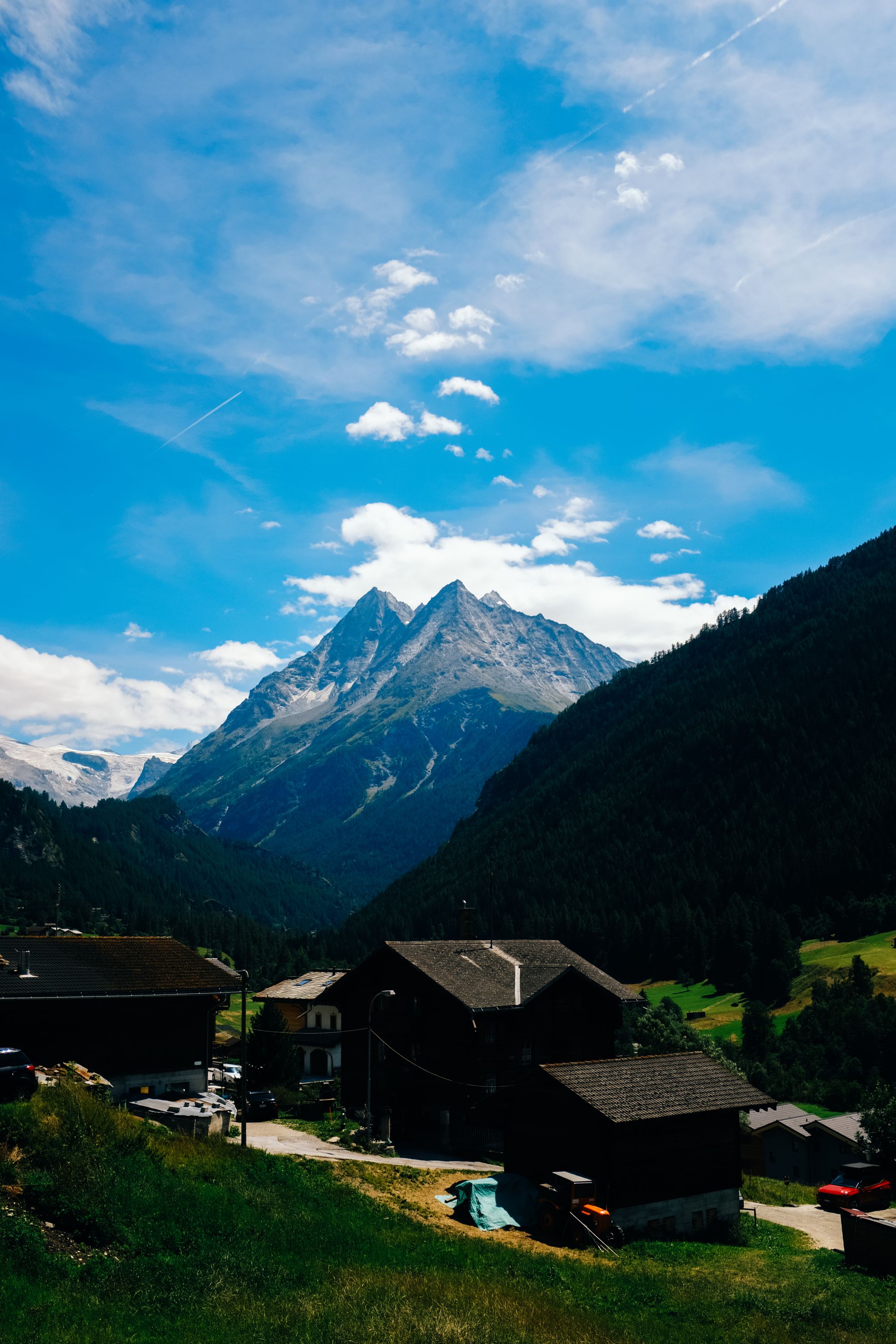
Switzerland's accommodation ranges from grand belle-époque palace hotels on the shores of Lake Geneva to traditional Alpine chalets with private hot tubs facing the Matterhorn, contemporary design hotels in Zurich's creative districts, and simple mountain huts accessible only on foot. The primary decision is choosing between an urban base (Zurich, Geneva, Lucerne, Bern) and a mountain or lake resort base.
Where to Stay in Switzerland
Switzerland offers a wide range of accommodation, and this guide covers the best places to stay in Switzerland, from hotels in Switzerland, B&Bs, and campsites to budget hotels, luxury hotels, luxury alpine chalets, and agrotourism stays, so this country suits many travel styles. For easy access, pick places near a train station and public transportation, compare rooms and double rooms, look for a living area where that extra space helps, check for WiFi and free parking, choose spots where you can eat breakfast, and consider whether a great location, an on-site restaurant, or a spa matters more than air conditioning in summer; the best hotels often pair central access with the right amenities and all the amenities you actually plan to use. In popular areas, book early, as hotels and other stays fill fast during peak seasons, with some budget properties offering hostel-style options.
For where to stay in switzerland, Zurich is a strong base to visit more of the country, while Bern combines a centrally located city center, official-capital status, an old town that is a unesco world heritage site, and views over the Aare River. Zurich also works well for stays around Lake Zurich, Lucerne for Lake Lucerne, and western Switzerland for Lake Geneva. In the Interlaken area, the Jungfrau Region and the wider Bernese Oberland give you access to Lake Thun and Lake Brienz. These hubs are a perfect base and an ideal starting point for day trips as part of a longer trip around the country.
Lucerne is one of the top tourist destinations in central Switzerland, Interlaken is the best base for the Swiss Alps in this region, Zermatt is known for mountains and views of the Matterhorn, and Mürren is a car free village with breathtaking views, nearby mountains, hiking trails, cable car access, and winter sports nearby. Cities tend to suit solo travelers, while smaller alpine bases are better if you want somewhere quiet.
Swiss Youth Hostels offer clean, modern accommodation with over 50 locations across the country, and many are located close to transport or major sights, making them a smart mid-range to budget pick alongside budget-friendly stays. Use these travel tips to match your base to your plans and pace.