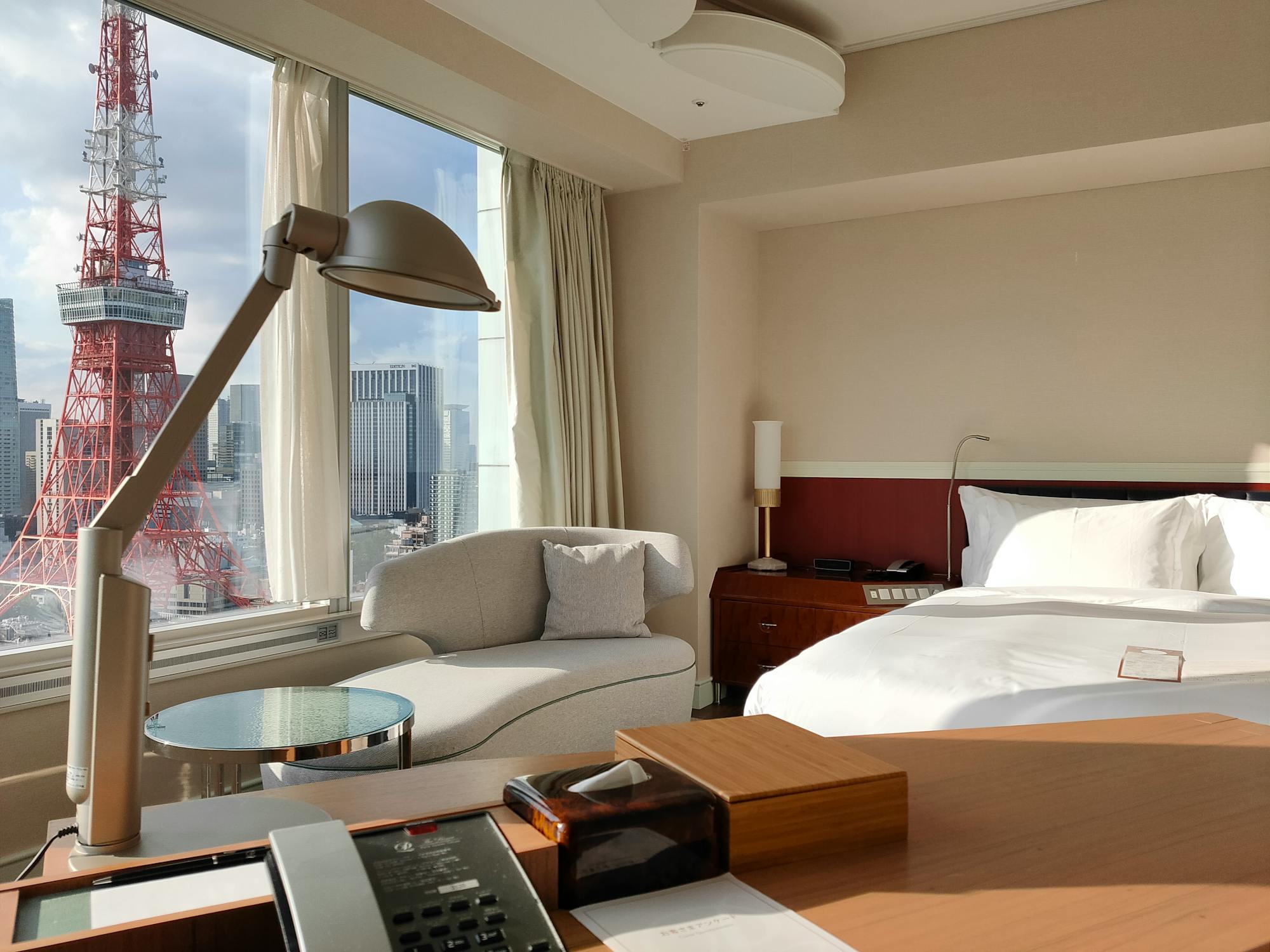
The best neighborhood to stay in Tokyo depends on your budget, interests and how you travel. This guide compares ten areas, with the rail lines that serve them and a few hotels worth checking.
Last reviewed: October 2026. Tokyo is a collection of city centers rather than one downtown, so the best neighborhoods to stay in Tokyo depend on how you travel. Below are ten areas, who each suits, which lines serve it and a few hotels worth checking. For the wider picture, start with the Tokyo destination guide.
Best Area by Traveler Type
| Traveler | Best area | Why | Also consider |
|---|---|---|---|
| First-timers | Shinjuku | Biggest rail hub, direct airport trains, endless food and nightlife | Tokyo Station, Shibuya |
| Families | Ueno | Park, zoo and museums on the doorstep, roomy apartment-style hotels nearby | Marunouchi, Asakusa |
| Nightlife | Shinjuku | Golden Gai, Kabukicho and late trains nearby | Shibuya, Roppongi |
| Budget | Ueno | Dense cluster of business hotels and hostels, Skyliner access | Ikebukuro, Asakusa |
| Luxury | Marunouchi and Otemachi | Palace, Aman and Peninsula level hotels beside Tokyo Station | Ginza, Roppongi |
| Quiet and traditional | Asakusa | Calm evenings after the crowds leave Senso-ji | Ueno |
Where to Stay in Tokyo for First-Timers: Shinjuku
Guinness has recognized Shinjuku as the world's busiest station, and five rail operators serve it: JR East, Keio, Odakyu, Tokyo Metro and Toei. For a first visit that means one thing: almost anywhere you want to go is a single ride away. The Narita Express and many JR services also run straight to Shinjuku, so you can reach your hotel with no change of train.
The east side, around Kabukicho, Golden Gai and Omoide Yokocho, is loud and bright until late. The west side is calmer, with towers and the free observation deck at the Tokyo Metropolitan Government Building. Shinjuku Gyoen, a large garden, is a short walk from the south-east edge.
Stay here if you want maximum connections and plenty to eat after dark. Skip it if you want a village feel; the station area is vast and navigating it takes a day to learn.
- Park Hyatt Tokyo occupies the 39th to 52nd floors of Shinjuku Park Tower, with rooms between the 42nd and 51st floors. It reopened on 9 December 2025 after a long renovation.
- Keio Plaza Hotel Tokyo is a large west-side tower hotel that works well for families.
- Shinjuku Granbell Hotel is a design-minded hotel on the Kabukicho side, close to the nightlife.
Shinjuku is the default for a first trip, and the sections below explain when another area fits better. If your dates are flexible, see the best time to visit Tokyo before booking.
Shibuya: Style, Shopping and Views
Shibuya is the Tokyo of the postcards: the Scramble Crossing, the Shibuya Sky viewing deck on top of Shibuya Scramble Square, and streets packed with fashion and music. Harajuku and Omotesando start a short walk north, and Daikanyama and Nakameguro sit a few minutes along the Tokyu Toyoko line.
The trade-off is noise. Rooms facing the station or the main drag can be loud, and hotels cost more per square metre than in Ueno or Ikebukuro. Shibuya works best for travelers in their twenties and thirties, couples who like cafes and boutiques, and anyone who wants to dine out late and walk home.
Stay here if you want energy and design. Skip it if you travel with small children or sleep lightly.
- Cerulean Tower Tokyu Hotel stands on the Dogenzaka hill a short walk from the station, with a Noh theater in the building and a bar on the 40th floor.
Ginza: Polished Shopping and Dining
Ginza is Tokyo's classic luxury district: flagship stores along Chuo-dori, sushi counters in basements and an unhurried feel on Sunday afternoons, when the main street closes to traffic on weekend afternoons. Tsukiji Outer Market and the Kabukiza theater are both close, and Tokyo Station is a short ride or a long walk.
Ginza hotels range from compact business rooms to polished upscale properties. The area is quiet after the shops close, which suits couples and business travelers but leaves younger visitors looking for nightlife a few stops away.
Stay here if you want a central, refined base. Skip it if you want street life after 10 pm.
- Hyatt Centric Ginza Tokyo sits on Namiki-dori, the tree-lined street running through the district.
- Hotel The Celestine Ginza is a three-minute walk from Shimbashi Station and handy for the Ginza Line and the JR lines.
Asakusa: Old Tokyo and Quiet Evenings
Asakusa is built around Senso-ji, Tokyo's oldest temple, and the shopping street leading to it. By day it is crowded with tour groups; by evening it settles down, and early mornings at the temple are close to empty. Tokyo Skytree is across the river, and the Sumida River promenade is good for a stroll.
The cost of that atmosphere is distance. Asakusa sits on the east side of the city, so reaching Shinjuku or Shibuya takes a transfer and a longer ride. Hotels here are usually good value, including small family-run inns and well-designed hostels.
Stay here if you want a slower, more traditional base and mostly plan to see the old city. Skip it if you want to be out in the west of Tokyo most evenings.
- Bunka Hostel Tokyo opened in December 2015 close to Asakusa Station and offers dormitory beds as well as private family rooms, with an izakaya on the ground floor.
Tokyo Station and Marunouchi: For Rail Travel and Business Luxury
Tokyo Station is a major Shinkansen terminus and the centre of the Marunouchi business district, next to the Imperial Palace. If your trip continues to Kyoto or Osaka, staying here saves a transfer on the way out. See our guides to Tokyo to Kyoto by Shinkansen and Tokyo to Osaka by train for the details.
This is also the heart of Tokyo's top-end hotels, which people often wrongly file under Ginza. The Peninsula Tokyo is at Yurakucho, across the road from Hibiya Park, and Mandarin Oriental Tokyo is in Nihonbashi, with its lobby on the 38th floor of the Mitsui Tower. The Palace Hotel Tokyo overlooks the palace moat, and Aman Tokyo and Hoshinoya Tokyo are both in Otemachi, just north of the station.
It is quiet at weekends and after office hours, but that calm is a plus for families and travelers who want a restful hotel.
Stay here if you want luxury, short rail transfers and a calm base. Skip it if you want cheap eats and street life on your doorstep.
- The Peninsula Tokyo is at 1-8-1 Yurakucho, a short walk from Ginza.
- Mandarin Oriental Tokyo occupies the upper floors of the Nihonbashi Mitsui Tower.
- Aman Tokyo takes the top floors of Otemachi Tower, with direct access to Otemachi Station.
Roppongi: International and After-Hours
Roppongi mixes museums such as the Mori Art Museum and the National Art Center with a long-running bar and club scene. Roppongi Hills and Tokyo Midtown are the anchors; the hotels there are among the most polished in the city. The Hibiya and Oedo lines serve it, but there is no JR line, so rail passes help less.
Late-night Roppongi can be rowdy near the main crossing, so choose your side of the district carefully. Neighboring Akasaka and Toranomon are calmer, with business hotels and well-known luxury names.
Stay here if you want art, international dining and a late night out. Skip it if you rely on JR trains.
- Grand Hyatt Tokyo is in Roppongi Hills.
- The Okura Tokyo is in Toranomon (Minato), not Ginza, and reopened in 2019 after a full rebuild.
- Hotel Monterey Akasaka is in Akasaka, a five-minute walk from Akasaka-mitsuke Station.
Ueno: Best Value and Family Base
Ueno is where many visitors arrive by Skyliner from Narita. It has the park, the zoo, the national museums and Ameyoko market, plus a dense layer of mid-range and budget hotels. Most hotels here are within a few minutes of JR Ueno, Keisei Ueno or the Ginza and Hibiya subway lines.
The streets around the station are a little worn, and some blocks are noisy at night, but it is safe and convenient. Apartment-style properties with kitchenettes and family rooms are easy to find, which is why we point families here.
Stay here if you want value, parks and museums. Skip it if you want a polished district feel.
- MIMARU Tokyo Ueno Inaricho offers apartment-style rooms suited to families.
- Centurion Hotel & Spa Ueno Station is a mid-range option next to the station.
Akihabara: Anime, Electronics and a Central Base
Akihabara is the home of Tokyo's electronics stores, anime shops and arcades, and it is a few minutes by JR from Tokyo Station and Ueno. The streets are lively until the shops close, then fall quiet, and it has a nerdy charm that fans of games and manga will enjoy.
It is a good, central compromise: a few minutes from Tokyo Station by JR, and usually cheaper than the Marunouchi hotels. Food leans toward quick curry, ramen and maid-cafe novelty rather than fine dining.
Stay here if you love anime, gaming or gadgets. Skip it if you want a residential or dining-focused evening.
- Nohga Hotel Akihabara Tokyo is a design-led hotel in the district.
- Best Western Hotel Fino Tokyo Akihabara is a straightforward mid-range choice.
Ikebukuro: Good Value on the Yamanote Loop
Ikebukuro is a major interchange on the north-west side of the Yamanote Line, with the Narita Express stopping on some services, plus Sunshine City, department stores and anime shops, especially around Otome Road. Hotels are usually cheaper than in Shinjuku, and the station connects to Saitama and Chichibu on the Seibu and Tobu lines.
It lacks the glamour of Shibuya or Ginza, and the east exit entertainment streets are crowded at night. That said, it works well for budget travelers who want a Yamanote Line base without the Shinjuku price tag.
Stay here if value and an easy loop-line ride matter most. Skip it if you want a charming streetscape.
- Hotel Metropolitan Tokyo Ikebukuro sits right beside the station.
Harajuku and Omotesando: Boutique Stays for Couples
Harajuku and Omotesando offer Tokyo's most walkable stretch of fashion and architecture, with Meiji Jingu's forest on one side and tree-lined Omotesando on the other. Hotels are few, so the area suits travelers who prefer a smaller boutique base to a tower.
Evenings are calmer than Shibuya's, while Shibuya Station is a short train ride or a long walk away. Takeshita Street is packed at weekends, but a few streets away it is quiet and residential.
Stay here if you want design, shopping and a relaxed pace. Skip it if you need a wide choice of budget hotels.
- Trunk Hotel is in Jingumae, in Shibuya ward, a short walk from both Harajuku and Shibuya.
Areas to Consider Carefully
Not every popular name makes a good base. A few places need thought before you book:
- Kabukicho edges (Shinjuku east): Convenient, but the streets can be intense late at night. Choose a hotel on the quieter side of the station if that matters.
- Kinshicho and Skytree area: Hotels such as the Tobu Hotel Levant Tokyo sit in Sumida ward, not Asakusa. They suit Skytree visits and are fine value, but the east side is further from most sights.
- Roppongi crossing: Lively until dawn; light sleepers should look at Akasaka or Azabu instead.
- Narita and Haneda hotels: Sensible for a very early or late flight, but they leave you far from the city. For a longer stay, sleep in central Tokyo.
- Very cheap rooms away from stations: A long walk to the nearest station costs time and energy, which tends to cancel out the saving.
How to Choose Where to Stay in Tokyo
Start with the station, not the neighborhood. Tokyo is easy to cross by train, but every transfer costs time with luggage, so pick a hotel within about ten minutes' walk of a stop on a useful line.
- The Yamanote Line loops through Tokyo Station, Ueno, Ikebukuro, Shinjuku, Shibuya and Shinagawa, so any hotel next to one of these stations has easy access to the others.
- Metro lines fill the gaps: the Ginza Line reaches Asakusa, Ueno, Ginza and Shibuya, and the Hibiya Line reaches Ueno, Akihabara, Ginza and Roppongi.
- Shinkansen gateways: Shinagawa and Tokyo Station are the Shinkansen gateways. If Kyoto or Osaka is next, book near one of them, or follow our Japan itinerary.
Airport access, in general terms. From Narita, the Narita Express serves Tokyo, Shinagawa, Shibuya, Shinjuku and Ikebukuro, though not every train stops at each, and the Keisei Skyliner runs to Nippori and Ueno. From Haneda, the Tokyo Monorail and Keikyu line connect to Hamamatsucho and Shinagawa. Check the current timetable for your flight before you choose.
Budget. Prices change by the week, so treat these as a guide, not a quote. Business hotels are the mid-priced option, and capsule hotels and hostels cost less. Luxury hotels in Marunouchi, Roppongi and Shinjuku cost several times as much. Tokyo also charges an accommodation tax of up to ¥200 per person per night for pricier rooms, and Tokyo has approved a switch to a percentage-based tax from fiscal year 2027.
When to book. Cherry blossom season, Golden Week and autumn weekends fill quickly, and the best-located hotels go first, so reserve several months ahead for those dates. Ryokan and boutique hotels have far fewer rooms than towers, so they run out sooner.
Choosing your base is only part of the plan. Once you have it, see the things to do in Tokyo, and if Kyoto is on your list, read where to stay in Kyoto and where to stay in Japan for the other stops. Travel.ninja searches flights for you but never books them; nothing else is booked until you and your specialist both approve it.