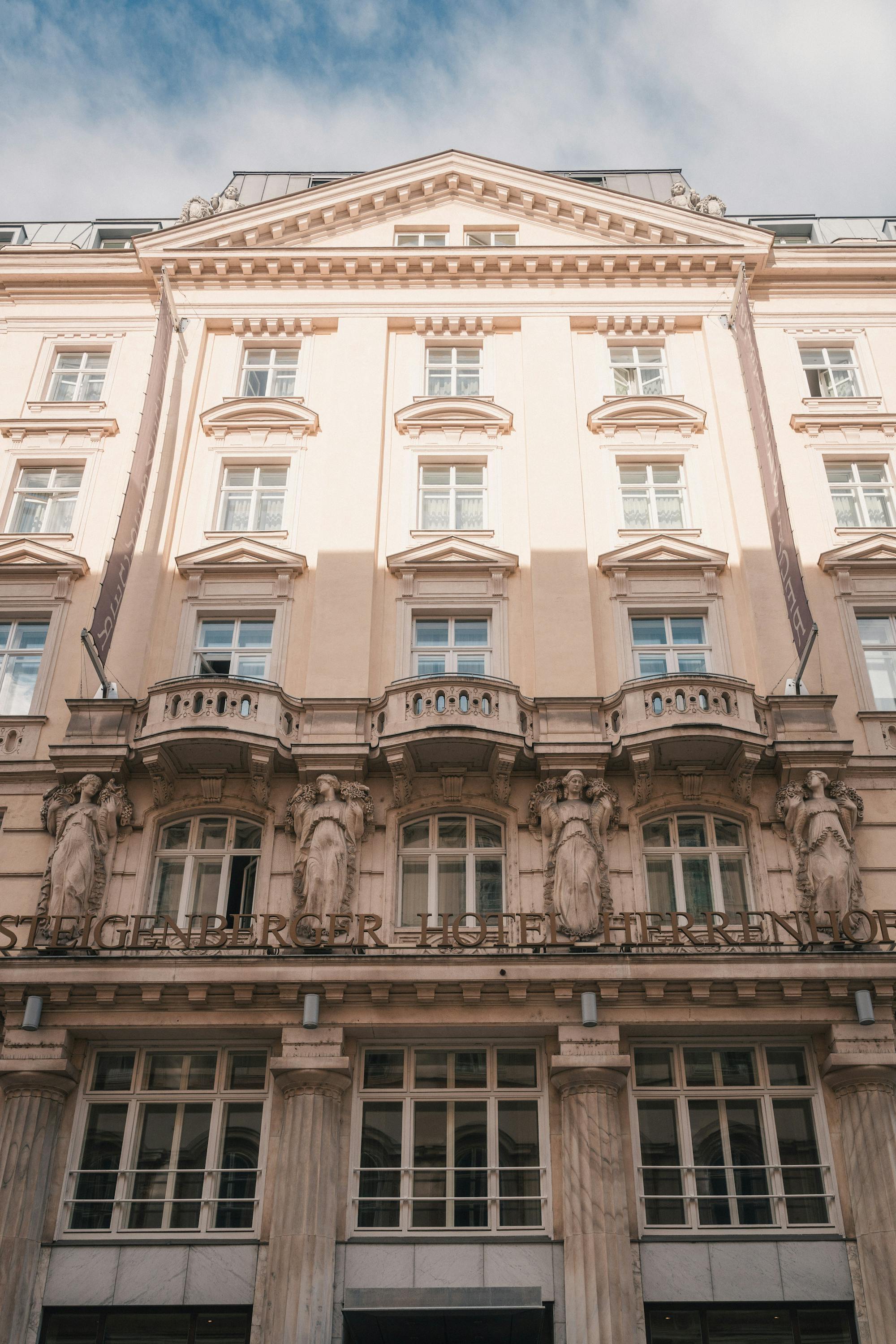
Vienna's accommodation landscape is dominated by grand heritage hotels along the Ringstrasse and around the Innere Stadt, though the city also has an excellent range of boutique guesthouses, design hotels, and modern budget options. As a relatively compact capital, most of the major sights can be reached on foot or by U-Bahn from any central neighbourhood.
Where to Stay in Vienna
Best Areas to Stay in Vienna
Choosing where to stay in Vienna depends on the kind of trip you want. The city offers a wide range of vienna accommodation, from luxury stays and serviced apartments to guesthouses and a boutique hotel in a historic building. For most travelers, the strongest options are Innere Stadt and Neubau, but other districts stand out depending on whether your priority is sightseeing, shopping, nightlife, value, or a more local feel. This guide compares the areas that are most useful for visiting Vienna, with a focus on location, atmosphere, transport, and access to the sights that matter most.
How We Chose the Best Areas
This topic falls into travel planning, and the search intent is practical: travelers want help deciding where to book based on how they plan to use the city. Vienna is broad enough to justify a 7-area ranking because the strongest neighborhoods serve clearly different needs without too much overlap.
We focused on the factors that actually shape a stay: public transport and public transportation, walkability, budget, atmosphere, and how easily you can reach sightseeing spots, nightlife, shopping streets, and local food. We also considered how well each area works for different travelers, from first time visitors to families, couples, and people who want to explore Vienna beyond the busiest tourist core.
Most places in Vienna are within a couple of minutes' walk from a station.
The U-Bahn system has five lines covering 83 kilometers, while the wider network also includes trams, S-Bahn, and buses, though buses are used less often.
That also makes arrival planning easier: the city airport train connects Vienna International Airport to the city center in 16 minutes, and there are hotels in Vienna that suit families and couples near top sights and transit.
Best 7 Areas to Stay in Vienna
1. Innere Stadt (City Centre)
Innere Stadt, or the innere stadt 1st district, is the most obvious answer for travelers who want to be in the middle of everything. It is Vienna's historic heart, geographic center, and the most convenient base for classic sightseeing.
Why It Stands Out
This is the historic centre and the city's most famous area, ideal for first time visitors who want instant access to top landmarks. It sits inside the Ringstraße, a grand boulevard built where the old city walls once stood, and many of its lanes are pedestrianized, making it especially good for walking between sights in the inner city. The historic city centre is packed with grand buildings, churches, museums, and elegant squares with real old world charm, which is why it remains the most touristy part of the Austrian capital.
You are close to St. Stephen's Cathedral, Stephen's Cathedral, the Vienna State Opera and its famed opera house, and Hofburg Palace, all of which count among the major attractions and tourist attractions most people want to see. Vienna City Hall and the town hall area are also nearby landmarks in the wider central area. Kärntnerstraße Shopping Street is close as well if you want central retail access. This area also gives you immediate access to the city's main attractions, with many of them within easy walking distance, plus easy links to the rest of Vienna's districts Vienna through trams and the U-Bahn.
Best For
Travelers focused on sightseeing, short stays, and anyone who wants a central location in the city centre will find this the perfect location for convenience.
Key Strengths & Public Transportation
Best base for where to stay in vienna if your priority is landmarks and museums
Excellent walkability, with many sights in walking distance and a short walk from major highlights
Strong transport links and fast access to other vienna attractions
Possible Limitations
The most crowded and expensive part of the city
Less local and more tourist-focused than outer districts
Many of the area's properties are luxury hotels, so prices can be especially high in peak periods
2. Neubau
Neubau is one of the best choices if you want a cooler, more creative side of Vienna. It feels younger and more design-led than the old center, with a lively mix of food, fashion, culture, galleries, independent labels, and independent shops.
It also works well for nightlife-focused travelers, since venues such as Donau are part of the area's late-night scene.
Why It Stands Out
This district is known for its vibrant arts scene, nightlife, and strong concentration of cultural institutions. It is also one of the top spots for art galleries, independent labels, and modern art, especially around MuseumsQuartier. Neubau works especially well for travelers who want boutique shops, cozy cafes, and a great dining scene rather than a purely historic setting.
Even though it is less formal than the old center, it still has plenty of style and energy. Many people rate it among the best hotels areas because it balances culture, food, and nightlife without feeling overly busy all day.
Best For
Travelers who want creative neighborhoods, café culture, shopping, and evening energy.
Key Strengths
One of the best areas for nightlife and local culture
Strong mix of cafes, shopping, and cultural venues
Easy access to central sights without staying in the busiest core
Possible Limitations
Not as iconic for classic sightseeing as Innere Stadt
Some streets feel busier later in the evening
3. Mariahilf
Mariahilf is a practical, lively district that works very well if shopping, nightlife, and food matter as much as sightseeing. It offers quick access to central Vienna while feeling more everyday and less formal than the old center, with plenty of restaurants, bars, nightlife, and international cuisine. Mariahilf is also one of the central districts travelers often choose for better value accommodations than the 1st District.
Why It Stands Out
The 6th District is known for fast access to shopping and nightlife, and it is home to Mariahilfer Straße, the city's famous shopping street and principal retail strip. The Naschmarkt sits right on the border, which adds even more appeal for travelers who like food halls, casual dining, and local browsing. The area also has a mix of international restaurants, bars, and late-night spots, so it stays lively well into the evening.
Because of its connections and energy, Mariahilf is a smart choice if you want to be centrally located but not necessarily inside the oldest part of town.
Best For
Travelers who want shopping, nightlife, and easy access to several central districts.
Key Strengths
Great for shopping and casual dining
Fast links to sights and other neighborhoods
More flexible price range than the 1st District
Possible Limitations
Can feel hectic, especially at night
Less atmospheric if you want classic Vienna right outside your door
4. Wieden
Wieden is a stylish central district with a younger feel and a good balance between charm and convenience. It is one of the more appealing options for couples, repeat visitors, and anyone who wants a neighborhood feel without being far from the center.
Why It Stands Out
Wieden is Vienna's 4th district, known for a youthful and slightly hip atmosphere shaped by cafes, bars, and smaller local businesses. The streets combine older facades with newer design elements, so you get a mix of traditional and contemporary Vienna in one area, with café culture that still makes room for traditional Viennese coffee. One of its major landmarks is Karlskirche, often referred to as Charles Church, which adds a strong baroque focal point to the district and is especially attractive around seasonal events and nearby Christmas markets.
Some parts of Wieden have charming cobblestone streets, a more residential rhythm, and a comfortable balance between culture and everyday city life; some stays are set on a quiet street or a quiet side street, which suits travelers who want calm near the center.
Best For
Couples, repeat visitors, and travelers who want a stylish central district with personality.
Key Strengths
Youthful atmosphere with good cafés and bars
Attractive architecture and local character
Easy access to the center without staying in the busiest area
Possible Limitations
Fewer headline landmarks than Innere Stadt
Some hotel choices are smaller and more design-focused
5. Leopoldstadt
Leopoldstadt offers a different kind of Vienna stay. It is greener, broader, and often better value than the old center, while still staying well connected to the main parts of the city.
Why It Stands Out
This is Vienna's 2nd district, located across the Danube Canal from the center. It is best known for the famous Prater Park and the Prater Amusement Park, which make it especially appealing for families and travelers who want more open space. The district also gives you easier access to greenery and the Danube River, which changes the feel of a stay compared with the denser central core.
Leopoldstadt suits budget-conscious travelers and families because it often has better-value lodging, a multicultural atmosphere, and lots of dining variety. Karmelitermarkt is a popular local market here, and the area has a more relaxed atmosphere than the 1st District while still offering quick transport into the center.
Best For
Families, budget-conscious travelers, and visitors who want green space with decent access to central sights.
Key Strengths
Good balance of value, space, and transport
Strong choice for families thanks to parks and attractions
Diverse food scene and local market culture
Possible Limitations
Less classic than staying in the old center
Some parts feel more residential than scenic
6. Landstraße
Landstraße is a useful middle-ground option for travelers who want lower prices, strong transport, and easy access to major sights without sleeping in the busiest districts.
Why It Stands Out
This is a more residential district that is especially popular with families. It tends to offer more affordable places to stay while still being very convenient for getting around. The big advantage here is transport: Wien Mitte train station is a major hub in the district, with a metro station connection as well as the City Airport Train for easy trips to and from Vienna Airport. Many hotels are ideal for families and couples because you get that mix of calm streets, good value, and access to major sights.
It also works well for sightseeing. Belvedere Palace is just a short walk or quick transit ride away depending on where you stay, and being near a major train station makes day-to-day travel simple.