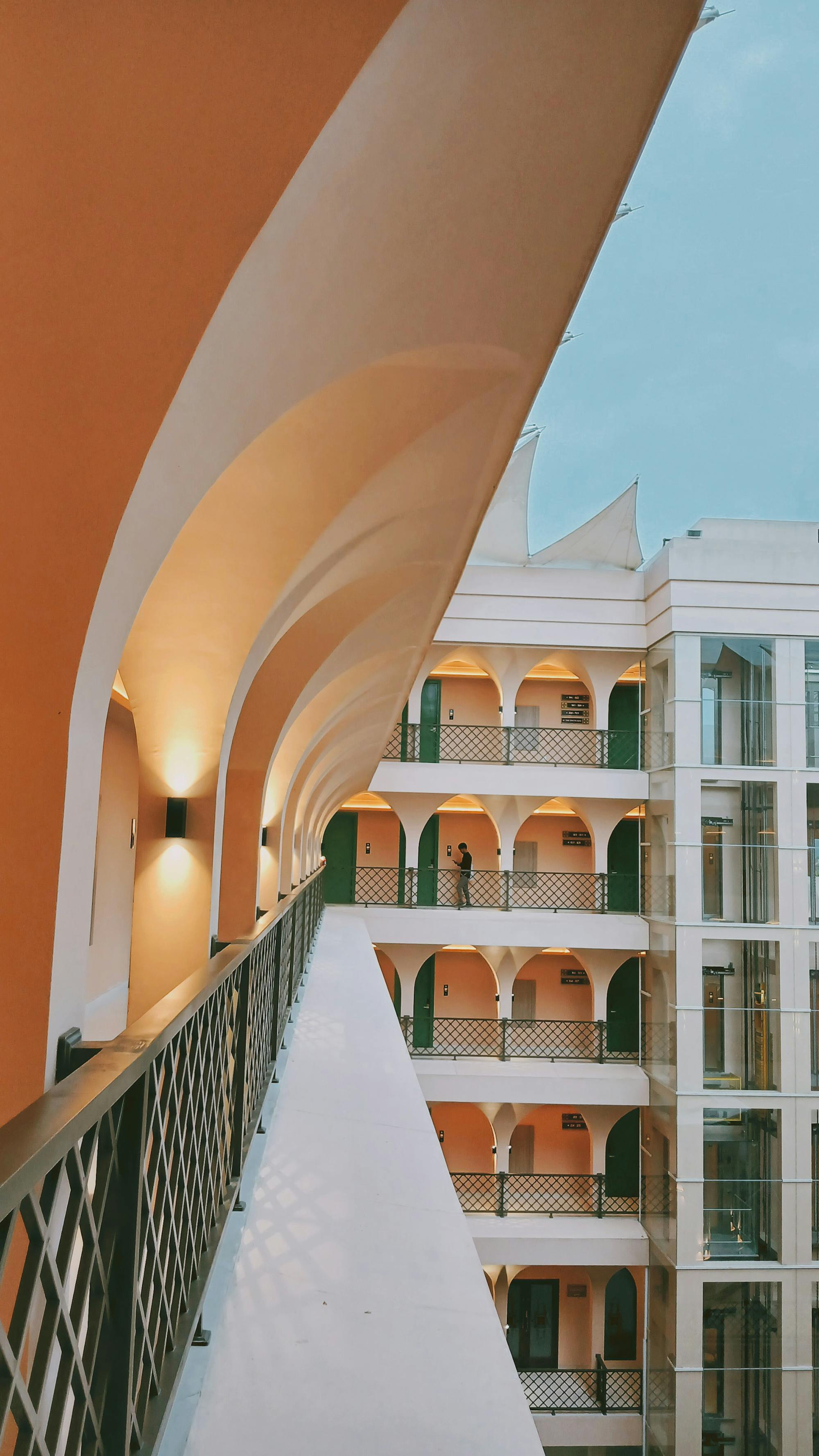
Yogyakarta's accommodation landscape reflects the city's dual identity as both a living royal capital and a major university town, ranging from well-priced boutique hotels in the artisan quarter to smart business hotels on the main Malioboro strip. It is a genuinely walkable city offering outstanding value at every tier — even mid-range hotels tend to include full Indonesian breakfast and traditional architecture.
Yogyakarta's accommodation landscape reflects the city's dual identity as both a living royal capital and a major university town: it ranges from well-priced boutique hotels in the artisan quarter to smart business hotels on the main Malioboro strip and a handful of heritage properties with genuine ties to the city's Sultanate culture. Unlike Bali's resort zones or Jakarta's business districts, Yogyakarta is a genuinely walkable city where staying in the right neighbourhood means stepping directly into the batik workshops, wayang museums, and street food culture that define the place. The city offers outstanding value at every tier — even mid-range hotels tend to include full Indonesian breakfast, traditional architecture, and service that would cost significantly more in other Asian cities.
Best Areas to Stay
The area around the Keraton (Sultan's Palace) in the city's historic core is the most atmospheric location — staying near Jalan Tirtodipuran, the batik street, or the lanes south of the palace puts you within walking distance of the Keraton, the Water Castle (Taman Sari), and the city's best traditional art workshops. Prawirotaman, roughly 2km south of the Keraton, is Yogyakarta's arts and gallery district — a leafy street of converted colonial houses that now house boutique hotels, restaurants, craft galleries, and art studios. It is quieter and more refined than the Malioboro area and strongly preferred by independent travellers seeking a cultural base. Jalan Malioboro and its surrounding streets form the busy tourist spine of the city — convenient for everything but noisy, trafficked, and more commercial in character. Budget guesthouses cluster in the lanes just east and west of Malioboro. The area near Jalan Prawirotaman II is a good mid-point: quieter than Malioboro but walkable to the main sights, with an excellent cluster of cafés and restaurants.
Luxury Accommodation
Yogyakarta's luxury tier is modest compared to Bali but growing. The Royal Ambarrukmo Yogyakarta, set on the grounds of a former royal garden and incorporating a historic royal pavilion (bangsal), is the city's most prestigious address — its heritage blend of Javanese architecture and five-star facilities (multiple pools, a large spa, several restaurants) is unmatched in the city. The Hyatt Regency Yogyakarta sits within a nature reserve with forest views and is especially popular with international business travellers. For boutique luxury, the Desa Visesa Ubud-style properties around Borobudur — some purpose-built for Borobudur sunrise viewing with private terraces overlooking the temple — offer some of the most unique luxury accommodation experiences in Java.
Mid-Range Options
The mid-range tier is where Yogyakarta truly shines for independent travellers. Hotels in the Prawirotaman district, such as Metamorfosa Boutique Hotel and Rumah Dharma, offer stylish Javanese-influenced rooms with garden courtyards, excellent breakfasts, and knowledgeable staff who can arrange Borobudur sunrise tours and batik classes — all for US$35–70 per night. On Malioboro, the Grand Mercure Yogyakarta Adi Sucipto delivers reliable international-standard comfort. Several heritage guesthouses in the Keraton area offer rooms in genuinely old Javanese homes with carved wooden furniture, inner courtyards, and the sound of gamelan practice drifting from nearby institutions.
Budget Stays
Yogyakarta is one of Indonesia's most affordable cities for budget travellers. The lanes around Jalan Sosrowijayan (north of Malioboro) are dense with losmen (basic guesthouses) offering clean rooms from US$8–15, most with fan cooling and shared bathrooms. Several well-reviewed budget guesthouses in this area provide free bicycle rental and basic breakfast. For those prioritising proximity to Borobudur, staying in Magelang (30 minutes from the temple, 45 minutes from Prambanan) offers ultra-cheap guesthouses right at the temple gates. In Yogyakarta proper, the Prawirotaman area has some excellent-value guesthouses at US$20–30 per night that include air-conditioning, breakfast, and a quieter atmosphere than the Malioboro backpacker zone.
Booking Tips
Yogyakarta has no single dominant peak season comparable to Bali's July–August rush, but hotel demand spikes significantly during Indonesian national school holidays (mid-June to mid-July, late December to early January) and around major Javanese festivals such as Sekaten (the Prophet's birthday celebrations held at the Keraton, usually around October–November). The Borobudur Vesak Festival (commemorating the Buddha's birth, enlightenment, and death, usually May or June on the full moon) draws international Buddhist pilgrims and turns the temple into an extraordinary candlelit ceremony — book accommodation months in advance for this. During the dry season (May–September), morning visibility for the Borobudur sunrise is significantly better than in the wet months. Always check whether breakfast is included — in Yogyakarta it almost always is, and it typically means a genuine Indonesian spread of rice porridge, fried rice, eggs, tempeh, and fresh fruit.