The Northern Lights are one of nature's most awe-inspiring spectacles — shimmering curtains of green, purple, and pink dancing across Arctic skies. From Iceland's remote highlands to Norway's Lofoten Islands and Finland's glass igloos, these are the best destinations to witness the aurora borealis in 2026, plus expert tips on timing, photography, and what to expect.
The Best Places to See the Northern Lights
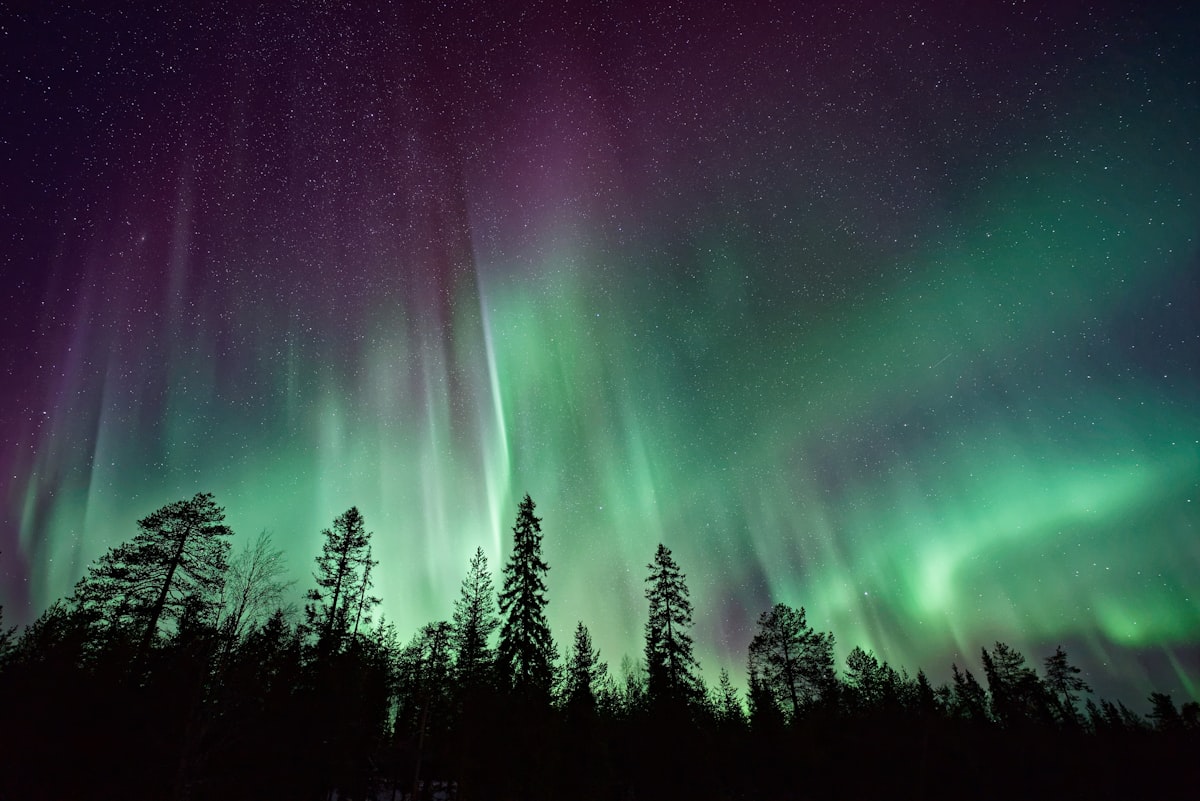
Iceland — The Classic Choice
Iceland's position just below the Arctic Circle makes it one of the most accessible Northern Lights destinations. The best viewing happens between September and March, away from Reykjavik's light pollution. Drive the Golden Circle or stay at a remote lodge in Westfjords for the clearest skies. The unpredictable Icelandic weather adds an element of adventure — when the clouds part and the aurora erupts, the moment feels earned.
Norway — Tromsø & the Lofoten Islands
Tromsø, 350 kilometers north of the Arctic Circle, is the aurora capital of Norway. The city itself is charming — all wooden houses and cozy pubs — but the real magic happens on guided fjord excursions where you chase clear skies by minibus. The Lofoten Islands offer something even more dramatic: auroras reflected in the still waters of sheltered fjords, with jagged mountain silhouettes completing the scene.
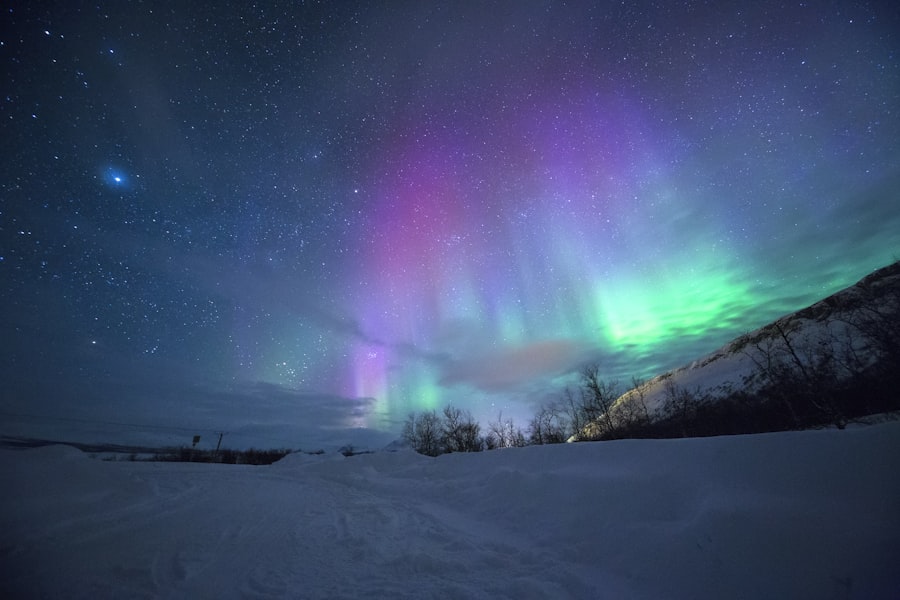
Finland — Glass Igloos & Wilderness
Finnish Lapland has turned aurora-watching into an art form. Stay in a heated glass igloo or a luxury Aurora Cabin and watch the Northern Lights from the warmth of your bed. Saariselkä and Inari offer some of the clearest skies in Europe, with minimal light pollution and a long aurora season from September to March. Combine with a husky safari or a visit to a Sámi reindeer herder for the complete Arctic experience.
Canada — Yukon & Yellowknife
Yellowknife in the Northwest Territories has one of the highest aurora success rates on Earth — around 90% on a three-night visit between December and April. The flat terrain and dry continental climate mean consistently clear skies. The Yukon offers a wilder setting, with aurora viewing from hot springs at Takhini or remote wilderness lodges accessible only by bush plane.
When to Go — Aurora Season Guide
- Peak season: Late September to late March (darkest months)
- Best months: October, February, and March (clearest skies, strong solar activity)
- Solar maximum 2025–2026: The current solar cycle peaks in 2025–2026, meaning brighter, more frequent, and more southerly auroras than the past decade
- Moon phase: Plan around the new moon for the darkest skies
- Time of night: Most active between 10pm and 2am, but can appear any time after dark
Photography Tips for the Northern Lights
Capturing the aurora requires preparation: bring a tripod, use a wide-angle lens (14–24mm), set your camera to manual mode (ISO 1600–3200, aperture f/2.8, shutter 10–20 seconds), and shoot in RAW format. Smartphone cameras have improved dramatically — iPhone 15 Pro and Samsung S24 Ultra both have dedicated night modes that produce impressive aurora photos without any photography knowledge.