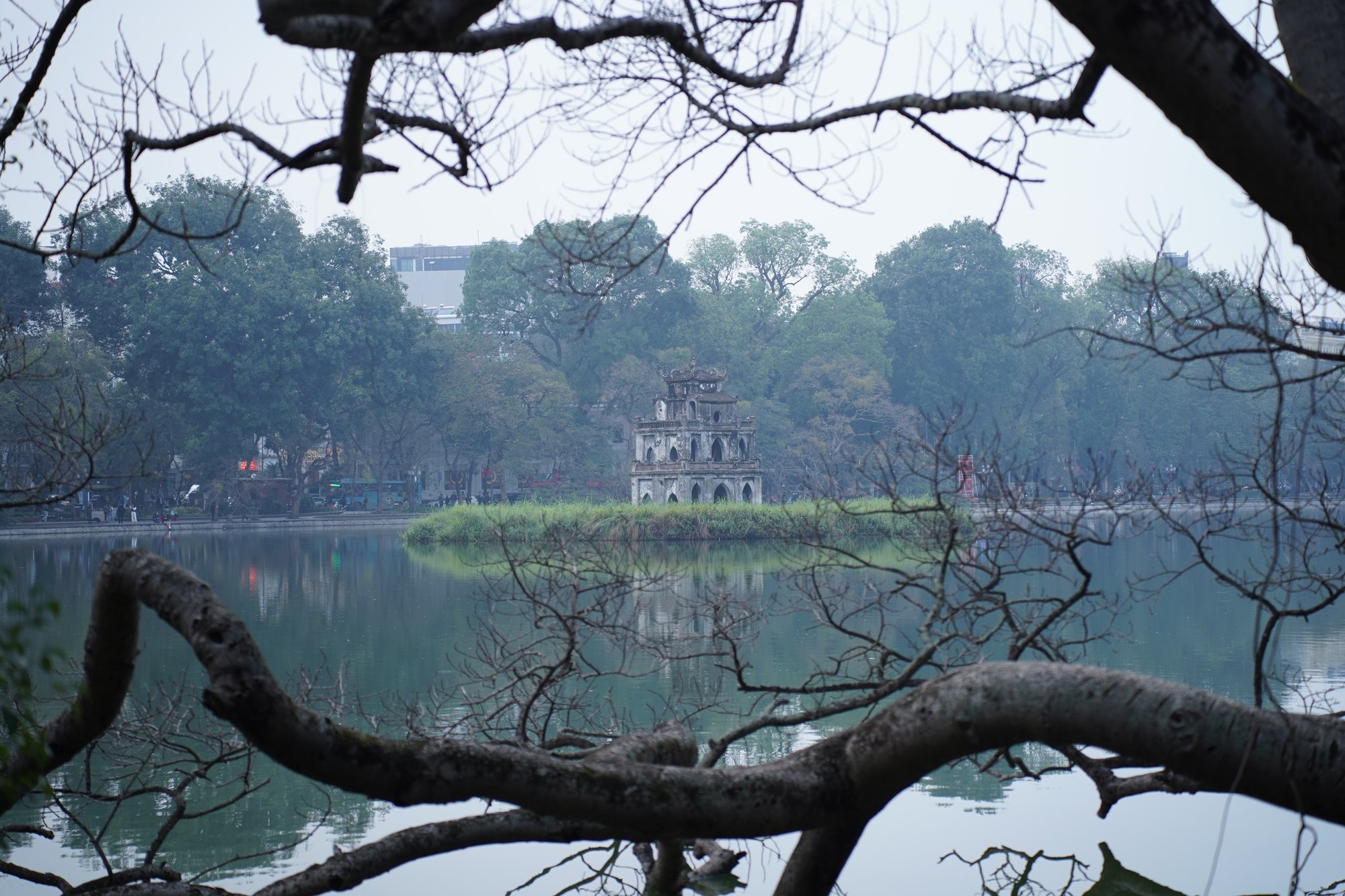
The best time to visit Hanoi is during the cool, dry season from October to April — when temperatures are comfortable, humidity is low, and the city's outdoor attractions are at their most enjoyable. November is widely considered the single finest month.
Best Time to Visit Hanoi: Overview of Hanoi's Climate
Hanoi sits at 21°N latitude and has a humid subtropical climate with four distinct seasons — a rarity in Southeast Asia. Winters are genuinely cool and occasionally cold, while Hanoi weather shifts clearly through the year; summers are hot and wet, and the short spring and autumn transitions offer some of the most pleasant weather in the region. This seasonal variety means timing matters more for Hanoi than for many other destinations in the area, and these weather patterns matter partly because of Vietnam's unique geography.
Best Time to Visit: October to April
The dry months from October to April are the best time to visit Hanoi, with cooler temperatures making sightseeing more comfortable for most visitors. Temperatures range from a pleasant 17–25°C (63–77°F) in autumn and spring, dipping to 10–16°C (50–61°F) in the depths of winter (December–February). It’s also a strong window for a Vietnam trip, though the ideal timing varies across Vietnam’s major regions. This period also works well for north Vietnam and some dry Vietnam’s northern destinations. Humidity is lower, rainfall is minimal, and the streets and attractions are comfortable to navigate on foot. This is peak tourist season — book accommodation in advance, especially around Tet (Lunar New Year, usually January–February), which is also a popular time to visit Hanoi, even if southern Vietnam does not follow the same timing.
October and November: Autumn Perfection
October and November are arguably Hanoi's finest months, with a clarity some travelers compare carefully with sunny June conditions, though autumn feels cooler and more comfortable in the city. By early October, the monsoon rains have eased, temperatures begin to fall, and the city returns to more comfortable conditions. The air is fresh and clear, temperatures hover around 20–25°C (68–77°F), and the city's trees flush with golden and red foliage. The streets feel vibrant but not oppressively crowded. Outdoor sightseeing, cycling around West Lake, and day trips to Ha Long Bay or Ninh Binh are all ideal, with autumn being especially good for enjoying sunny skies on cruises and excursions. Hanoi’s autumn also pairs well with central-coast trips chasing perfect beach weather. These months are also good for photography, with the soft autumn light and sunny skies flattening harsh shadows.
December to February: Cool and Dry
Winter brings Hanoi's coolest weather in a chilly winter period. January can see temperatures dip to 10–12°C at night, and it can feel surprisingly cold for travelers expecting milder Southeast Asian weather, though Hanoi is still warmer than the much cooler climate of northern mountain areas such as Sapa, so a light jacket or layer helps. While this feels mild by European or North American standards, locals wrap up heavily and the city takes on a cosy winter atmosphere. November sees cooler temperatures first, so late autumn eases neatly into Hanoi December — a great time to visit for comfortable days, minimal rain, and a festive feel as Christmas decorations go up around the cathedral. Halong Bay December can be cooler, mistier, and less predictable than Hanoi. It's also an especially pleasant season to explore the Hanoi Opera House. The Ho Chi Minh Mausoleum is likewise more comfortable to visit in this cooler stretch. Tet, falling in late January or early February, is the biggest celebration of the Vietnamese year, though winter patterns differ across central Vietnam, especially later in the year during the late rainy season: firecrackers, flower markets, and family reunions, though note many restaurants and shops close for a week.
March to April: Spring Warmth
March and April see march temperatures warming back into the mid-20s °C with low rainfall and clear skies. For travelers combining regions, this period often brings some of the best weather countrywide. Spring blossoms appear on trees along boulevards and around Hoan Kiem Lake. April can feel warm and slightly hazy, but it remains a comfortable time to visit before the summer heat sets in. This is also a shoulder season with slightly fewer tourists than the October–November peak, and spring often brings favorable weather countrywide even if exact conditions vary by region, thanks to its mild temperatures.
May to September: Hot and Rainy Season
The summer months fall within Hanoi’s tropical monsoon climate, bringing hot (30–38°C), humid, and wet conditions with the rainy season and wet season both in full swing. May and June see the rainy season begin, with heavy afternoon downpours, a dependable afternoon downpour pattern that can cause street flooding in the Old Quarter, and humid weather building before the heaviest rains. July and August are the wettest months, and travelers should expect soaring temperatures during the hottest part of summer, occasionally bringing typhoon-related weather and disruption from tropical storms. The seasonal contrast is even clearer when compared with ho chi minh city, where there are more consistent temperatures year round. The heat and humidity make sightseeing tiring, and some outdoor attractions are less appealing, while humid September conditions can linger even as the worst of summer starts to ease, even though some parts of sunny southern vietnam stay more reliably bright at the same time of year. Budget travellers willing to brave the conditions will find lower hotel rates and fewer tourists. If visiting in summer, plan outdoor activities for the morning and retreat to air-conditioned museums or restaurants in the afternoon.
Festivals and Events
Key events to consider when planning your trip: Tet Nguyen Dan (Lunar New Year, January–February) is the most important holiday and transforms the city with flowers, lanterns, and family gatherings — though many businesses close. Hung Kings Festival (April) marks the founding fathers of Vietnam. Mid-Autumn Festival (September–October) features mooncakes, lanterns, and children's parades.
Month-by-Month Quick Guide
Monthly conditions in Hanoi do not mirror all of Vietnam, especially across the mekong delta and the central highlands.
January: Cool and dry, Tet preparations, unlike a cloudy january that can show up in some coastal areas further south. February: Tet celebrations, cold nights, while cloudy february is more typical in parts of central Vietnam than in Hanoi. March: Spring warms up, with low rain, and this is often a good window beyond the capital too, including the mekong delta. April: Pleasant, spring blossoms. May: Getting hot, rains begin. June–August: Hot, humid, heavy rain; farther afield, Da Lat in the central highlands has a temperate climate, consistent cool temperatures, and the feel of a charming mountain city, though da lat's rainy season can affect visibility, while Nha Trang has the shortest rainy season and benefits from cooling sea breezes. September: A rainy September can still occur, though conditions usually improve later in the month and typhoon risk starts easing. October: Excellent — dry, comfortable, with a brief humid October spell sometimes lingering early on. November: Best month overall. December: Hanoi December is cool, festive, and atmospheric.
For contrast, southern Vietnam and Ho Chi Minh City stay warmer year round, with some pleasant fresh days early in the calendar before more humid months set in.