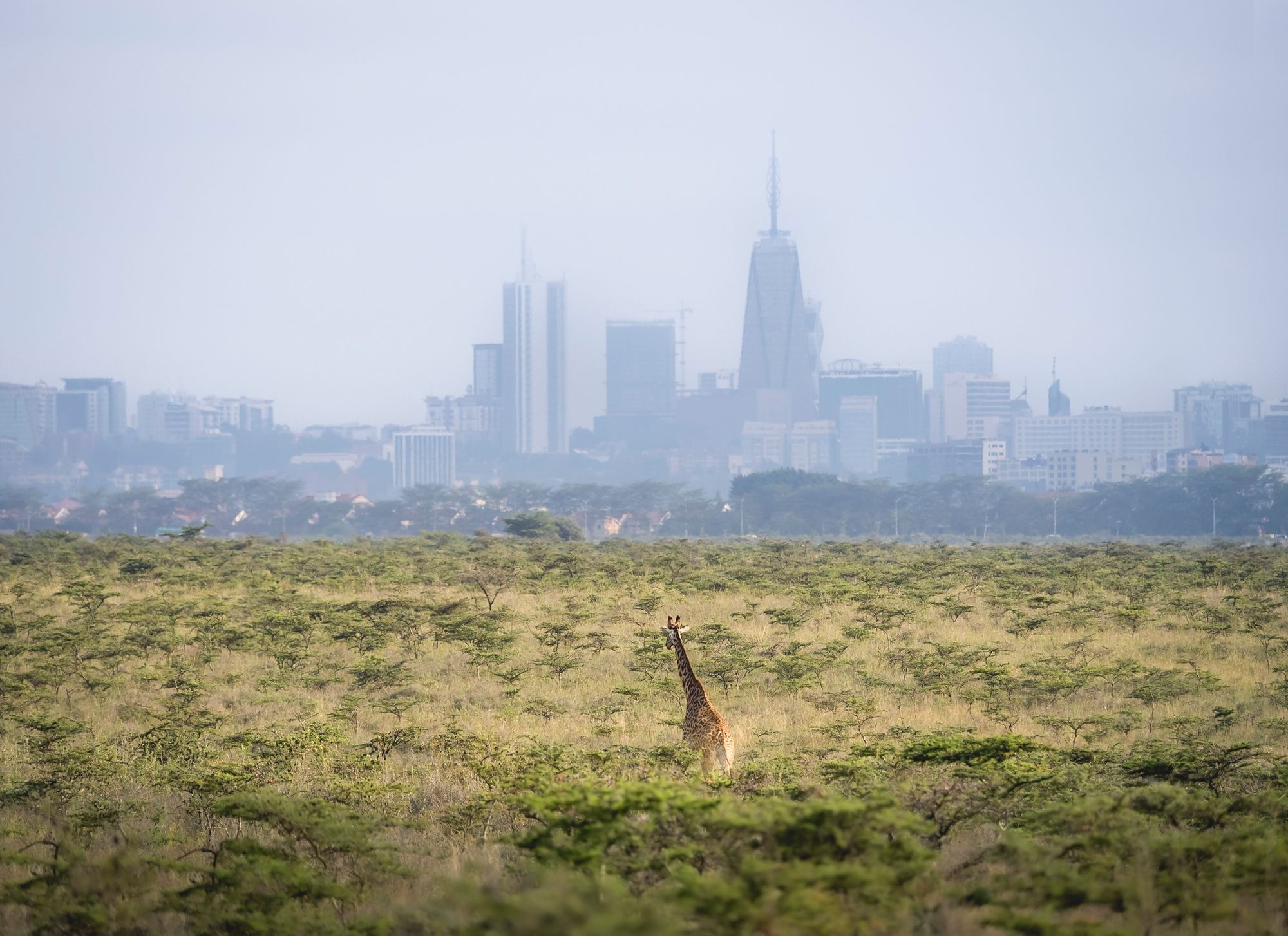
Nairobi is a remarkably pleasant year-round destination thanks to its high altitude (1,795m), which keeps temperatures moderate and avoids the tropical heat found at lower elevations. The best months to visit are January–February and July–September — periods that fall in Kenya's dry seasons, offering blue skies, minimal rainfall and ideal conditions for day trips to Nairobi National Park and onward safaris.
Nairobi is a remarkably pleasant year-round destination thanks to its high altitude (1,795m), which keeps temperatures moderate and avoids the tropical heat found at lower elevations. The best months to visit are January–February and July–September — periods that fall in Kenya's dry seasons, offering blue skies, minimal rainfall and ideal conditions for day trips to Nairobi National Park and onward safaris.
Best Time to Visit Nairobi: Dry Seasons January–February and July–September
These months are the best time to visit Nairobi and the best time to visit for dry weather. Daytime temperatures settle at 20–26°C, with July averaging around 24°C (75°F), evenings are pleasantly cool (12–15°C), and the risk of disruption from rain is minimal, with conditions generally dry. The Nairobi National Park — which borders the city's southern edge — offers excellent conditions for game drives in this period, with easier spotting wildlife as animals concentrate along the Athi River and its tributaries. July through September falls within the long dry season and high season in the Maasai Mara (4–5 hours away), and in August the wildebeest migration peaks there, with Mara River crossings a major highlight for travelers pairing Nairobi with a safari.
Long Rains (March–May): Rainy Season, Quieter, Greener
The long rainy season marks the main rainy season in and around Nairobi, and this is also the low season. heavy rains are most likely from mid-March to mid-May, though the city remains fully operational, with conditions usually easier in early March than in the second half of the season. Nairobi National Park becomes dramatically green, attracting resident and migratory birds in exceptional variety, and this is the green season. Early March is ideal for birdwatching because many Palearctic migrants are still present. April is also rewarding because resident birds are breeding. Hotel rates drop 20–30% from peak, and the city has more breathing room. The lush landscape makes for beautiful photography of wildlife against green backgrounds — a very different aesthetic from dry-season golden grass. The main consideration is that Masai Mara bush tracks can become impassable in the wet season, and some camps close.
Short Rains (October–November): Wet Season, Variable
October and November are Nairobi's "short rains," the short wet season and short rainy season — unpredictable, often brief showers that alternate with warm, sunny periods. October is frequently one of Nairobi's most pleasant months overall, with temperatures warming pleasantly and the rains less reliable than in April–May, and Nairobi also hosts the Tusker Safari Sevens in October. The November transition means the dry season begins to return after the short rainy season, which can still be a wonderful time to visit with fewer crowds than peak season. It also suits a wider Kenya visit, including the Kenyan coast for beach holidays along the Indian Ocean and Diani Beach, when it can be a lovely time for seaside stays and cool things like swimming, snorkelling, and relaxing by the water, while water visibility and sea temperatures can vary with the weather, and the northeast monsoon brings dhow sailing to Lamu as November also brings the Lamu Cultural Festival celebrating local heritage. December often sees short rains that usually end by mid-month, followed by a short dry spell and busy holiday traffic in Nairobi.
Key Events and Wildlife Viewing
The Nairobi International Show (September/October at the Jamhuri Showground) is Kenya's premier agricultural and trade exhibition, and one of the city's biggest cultural events, with dates that can also affect visitor numbers and school holidays travel demand. The Koroga Festival (multiple dates) is a popular outdoor music festival held in a private park setting. The Safari Rally Kenya (June, WRC championship round) brings international motor racing through Kenya's roads and countryside. The Magical Kenya Open golf tournament (European Tour, March) takes place at the Muthaiga Golf Club — one of Africa's finest colonial-era clubs.
Practical Notes and Best Time to Visit
Nairobi's afternoon traffic (4–7pm) is one of East Africa's worst — allow significantly more time for any journey across the city during these hours. The Jomo Kenyatta International Airport (JKIA) to the Westlands/Karen/Gigiri hotel district takes 30–60 minutes depending on traffic; arrange hotel transfers rather than using informal taxis at arrivals. Nairobi's altitude means UV exposure is higher than at sea level — sun protection is needed year-round. It's also a convenient base to visit Kenya and start planning a wider safari, with easy options to tailor make onward itineraries to Amboseli National Park, Lake Nakuru, the Rift Valley, Mount Kenya, or northern Kenya; the best time to visit Kenya depends on whether your priority is a Kenya safari built around game viewing, birding, or beaches. The peak dry season is best for classic safari conditions, while February is especially good for spotting black rhinos in Kenya. In July to September, the central highlands are usually cool in the mornings and pleasant during the day. The Maasai Mara ecosystem shifts through the year, with migratory herds driving seasonal safari interest and newborn animals making greener months rewarding too.