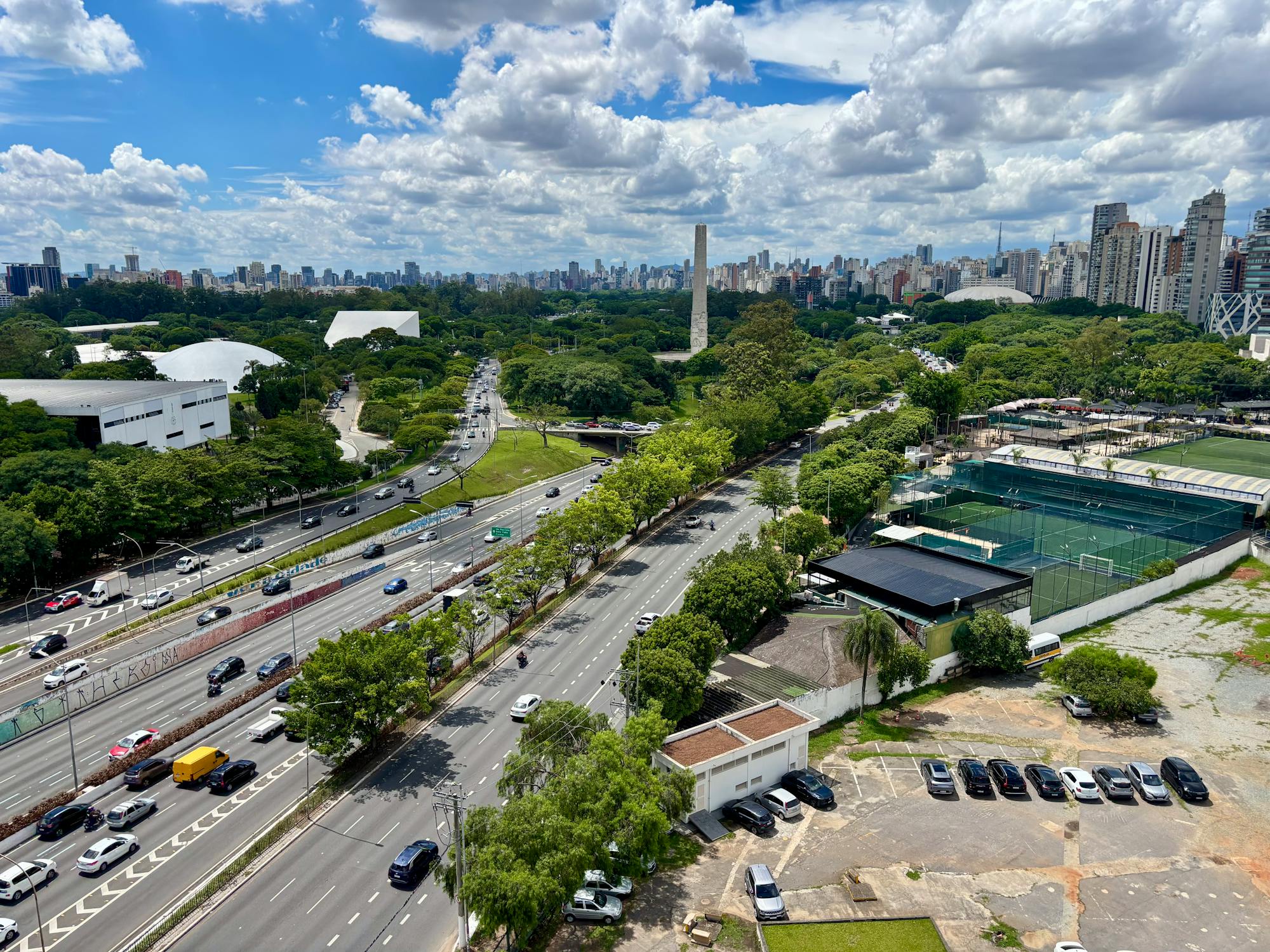
São Paulo is a year-round destination — as a predominantly urban city without beach access, it lacks the seasonal peaks that define Rio or coastal Brazil. Business, culture, and gastronomy drive visitors here throughout the year, and the city's extraordinary restaurant, museum, and nightlife scene operates with equal intensity in every season.
- Best time to visit: any time of year — culture, dining and events run year-round
Best Time to Visit Sao Paulo: Best Season (March–May and August–October)
São Paulo's most comfortable weather for city exploration falls in the autumn months (March–May) and late winter/early spring (August–October); because the city is in the southern hemisphere, these recommended months align with opposite seasons for travelers from the northern hemisphere. March through May is a pleasant time to visit, with mild temperatures cooling from the summer heat to a pleasant 18–24°C (64–75°F), less rain, and comfortable conditions for walking the city's neighborhoods. August and September are arguably the city's most pleasant months — sunny days, low humidity, and 16–23°C (61–73°F) bring comfortable temperatures that are ideal for outdoor activities. These months also fall in the shoulder season, which can help you avoid high prices and large crowds. The Bienal de Arte de São Paulo in October (even-numbered years) is one of the world's premier contemporary art events and an excellent reason to visit in autumn.
Peak Season (November–February): Best Time to Visit
Summer (November–February) is São Paulo's rainy season, with hot, humid weather and possible heavy rainfall, especially in afternoon and evening storms. Temperatures averaging 22–28°C (72–82°F) mean warm weather throughout this period, though the humidity can make it feel more intense. November and December see São Paulo in full swing during the summer months, with many Brazilians traveling for the holidays and the social season at its most active. Carnival (February/March) is less spectacular in São Paulo than in Rio de Janeiro or Salvador, and across Brazil New Year's Eve is an even bigger draw elsewhere, with places like Copacabana Beach attracting huge celebrations, so many Paulistanos escape to beach destinations — making this a surprisingly quiet time to visit if you're not interested in Carnival itself. São Paulo Fashion Week in January brings the fashion industry to town and affects hotel prices in Jardins. The festive period can also mean higher prices for a trip during the summer holidays.
Low Season (June–July) in São Paulo
São Paulo's winter (June–July) is the dry season, with cool weather, little rain, and pleasant temperatures — temperatures average 14–20°C (57–68°F). This is actually an excellent time to visit from a weather perspective, and although temperatures drop at night, temperatures rarely dipping very low still make June and July comfortable for sightseeing. Clear, dry days are perfect for museum-going, and the city's indoor food scene feels even more appealing in winter thanks to its great restaurants when the city experience matters more than beach days. Hotel prices are at their lowest during these months. São Paulo Fashion Week in June (for the winter/spring collections) is the major event that affects Jardins hotel pricing. The Mostra Internacional de Cinema film festival in October is a major cultural highlight of the São Paulo calendar.
Weather Overview and Rainy Season
São Paulo, in the Estado de São Paulo in Brazil, sits at 760 meters (2,500 feet) above sea level, which moderates its subtropical climate; it is also one of Latin America’s major cities and a leading cultural hub in South America. Summer (December–February): warm and humid, 22–30°C (72–86°F), with sunny weather between frequent thunderstorms, especially in afternoons and evenings; while much of Brazil has year round travel appeal, this season in São Paulo often feels muggy and rainy. Autumn (March–May): gradually cooling with dry weather, 18–25°C (64–77°F), and often considered the best time to visit São Paulo for a beautiful city break focused on parks and walking. Winter (June–August): mild and dry, 14–20°C (57–68°F), pack a light jacket for evenings; while it is not a beach destination in the same way as the coast, it is a pleasant season for urban sightseeing. Spring (September–November): warming with increasing afternoon rain by November. The infamous São Paulo garoa — a light, persistent drizzle characteristic of the city — is most common in winter and requires a compact umbrella. Air quality can be affected by traffic and industry, particularly in calm weather.
Key Events and New Year's Eve
January: São Paulo Fashion Week (summer collections) — Jardins hotel prices spike
February/March: Carnival — a lively window into brazilian culture; São Paulo has its own parade, but rio de janeiro hosts Brazil’s more famous celebrations, and many locals travel
April: São Paulo Formula 1 season (Brazilian Grand Prix typically in November)
June: São Paulo Fashion Week (winter/spring collections); Festa Junina events throughout the city
August: Japan Week in Liberdade — cultural events celebrating Japanese heritage, and vila madalena is also worth visiting for art and street culture
October: Bienal de Arte (even-numbered years) — one of the world's great contemporary art events; Mostra Internacional de Cinema film festival
November: Brazilian Grand Prix at Interlagos circuit — Formula 1's penultimate race, a major city event
December: Christmas decorations in Ibirapuera Park, end-of-year social season, and New Year's Eve travel picks up as many locals leave the concrete jungle for coastal trips
Many travelers pair São Paulo with the green coast, including ilha grande, for quieter beaches and easy beach days.