South Africa is a large country spanning multiple climate zones, so the best time to visit depends heavily on which region and experience you're prioritising. For Kruger and safari parks, the dry winter months of May to September are optimal. For Cape Town and the Winelands, the warm dry summer from November to March is best.
South Africa is a large country spanning multiple climate zones, so the best time to visit depends heavily on which region and experience you're prioritising. For Kruger and safari parks, the dry winter months of May to September are optimal. For Cape Town and the Winelands, the warm dry summer from November to March is best.
Best Time to Visit South Africa: Kruger and Safari Parks, May to September
South Africa's Lowveld — where the Kruger National Park and surrounding private game reserves sit — has a summer rainfall pattern, meaning the dry season (May–September) brings sparse vegetation, concentrated wildlife at waterholes, and dramatically easier game viewing. The Big Five (lion, leopard, elephant, buffalo, rhinoceros) are all year-round Kruger residents, but sightings peak in the dry winter for wildlife viewing. June and July are particularly good — clear skies, daytime temperatures around 20–25°C, chilly nights, no mosquitoes, and animals flock to water sources in the dry winter at predictable locations, so pack warm layers for early morning drives. The private reserves (Sabi Sand, Timbavati, Thornybush) offer off-road vehicle access and walking safaris that are not permitted in the national park itself, making them some of South Africa’s top wildlife regions and game parks for safari planning.
Best Time to Visit Cape Town and the Winelands: November to March
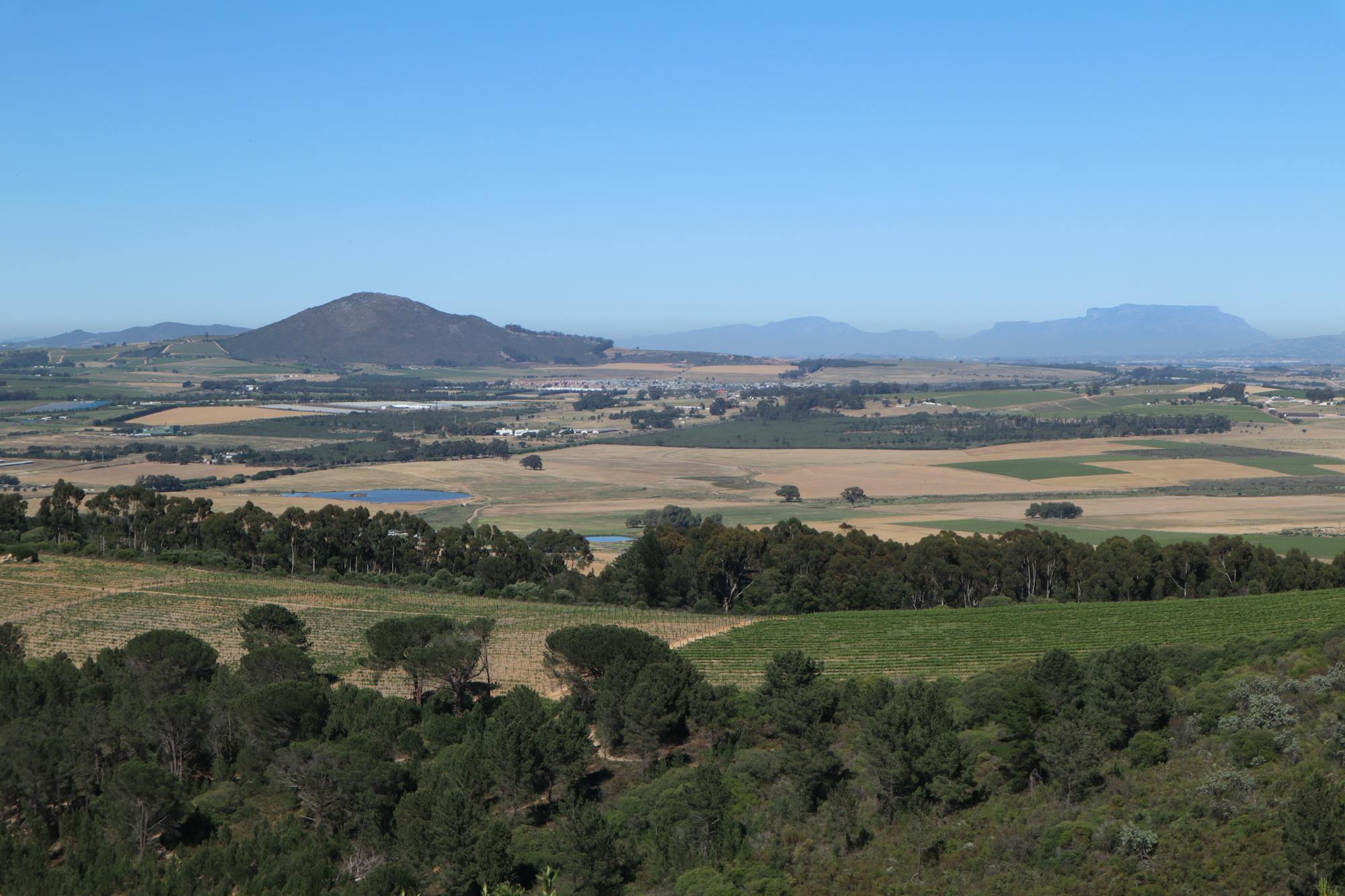
Cape Town's Mediterranean climate means the Western Cape, in the Southern Hemisphere, is at its best in summer (November–March), so seasons are reversed for travelers from the Northern Hemisphere — long, warm, dry days for hiking Table Mountain and Lion's Head, swimming at Clifton and Camps Bay, wine tasting in Stellenbosch and Franschhoek in the Cape Winelands, and driving the Cape Peninsula loop. December and January are peak season with highest prices and visitor numbers. February and March are often considered the sweet spot — still warm and dry, crowds have thinned from the school holiday peak, and after the Easter break they ease further, while the harvest season and full harvest season create a festive atmosphere in the Winelands.
Whale Watching: June to October
During whale season and the broader whale watching season along the coast, southern right whales visit South Africa's southern coast from June through November to calve in the sheltered bays and warmer waters. Along the Western and Eastern Cape migration route, Hermanus, 90 minutes east of Cape Town, is the world's best land-based whale watching destination — whales breach and nurse their calves in Walker Bay visible from the cliff path. The Hermanus Whale Festival is also a big seasonal draw during peak viewing months. The peak months are August and September when numbers are highest. The winter Cape weather is mild (15–18°C), occasionally rainy, but the Winelands are beautiful in a moody, atmospheric way that summer visitors miss entirely, and it's also a great time to visit the south coast and nearby coastal towns in a quieter travel period.
Garden Route: Year-Round, Best October–April
The Garden Route — the coastal drive from Mossel Bay to the Storms River in the Eastern Cape — is a great time to visit for travelers who want a flexible coastal trip. It's accessible year-round but most enjoyable October through April, with the summer months offering the best conditions for swimming and outdoor activities at Knysna, Plettenberg Bay, and Tsitsikamma, the route also working especially well for beach holidays, and birdwatching being best from October to March. Spring is also part of festival season, with events around the country including the Durban International Blues Festival. October and November mark the peak of Namaqualand wildflowers, making a west coast detour a strong add-on to wider road-trip planning. The winter months bring dramatic ocean swells excellent for surfing at Jeffreys Bay (J-Bay, July–September) — the Billabong Pro competition in July is a major event.
Johannesburg: Year-Round, Best May–August
Johannesburg's Highveld climate (1,753m altitude) helps travelers explore South Africa year-round, with warm, sunny winters (May–August) and warm, stormy summers. Winter is the best time for the city, with cooler temperatures, stable dry conditions, clear blue skies, no humidity, and comfortable 20–22°C days; these months also fall in the low season for much of the country, which can be useful for planning broader trips. Spring and autumn are helpful shoulder seasons for city breaks and mixed itineraries. Summer (November–February) brings spectacular daily afternoon thunderstorms — dramatic but brief — and aligns with the northern interior rainy season, when average temperatures stay warm; south africa's summer also overlaps with the festive period, so advance bookings matter more. Temperatures drop in winter, while from spring young animals and baby animals become easier to spot on safari extensions, and migratory birds start returning in some regions. Johannesburg serves primarily as a transit hub for international arrivals heading to the Kruger or the Cape, and most visit for only 1–2 nights. That can still make it the best time to visit depending on whether your plans focus on cities, safaris, or the Cape.