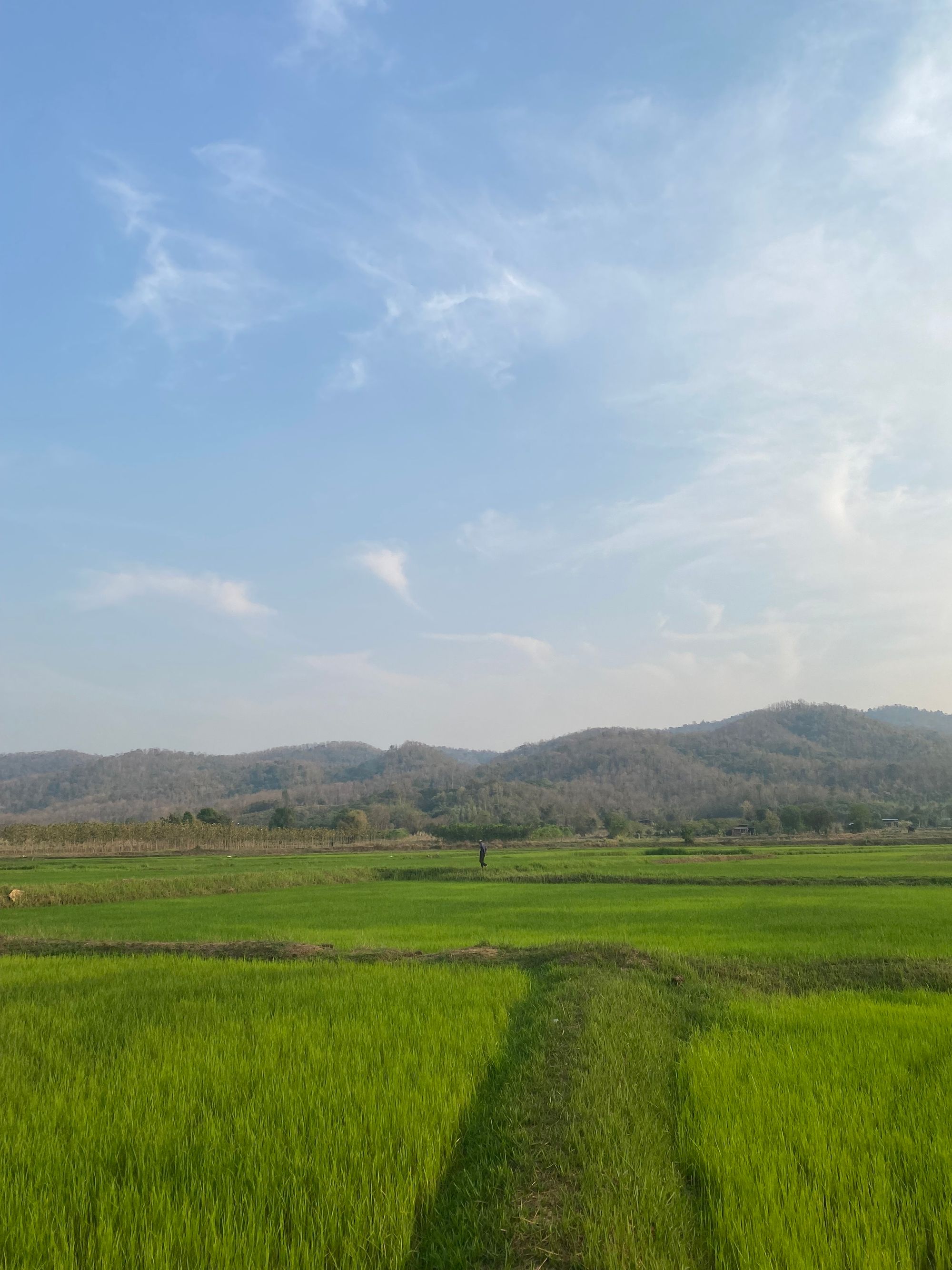
Vietnam's climate varies dramatically across its 1,650-kilometre length, meaning the best time to visit depends on which region you plan to explore — the north is best October to April, the central coast February to August, and the south November to April.
Vietnam's climate is one of the most regionally varied in Southeast Asia — a country stretching 1,650 kilometres north to south straddles multiple climate zones, meaning there is no single "best time" that applies nationwide. The north (Hanoi, Ha Long Bay, Sapa) has a distinct cool, dry winter and hot, humid summer. The central coast (Hue, Da Nang, Hoi An) has its peak season from February to August but is hit by typhoons in October–November. The south (Ho Chi Minh City, Mekong Delta, Phu Quoc) has a classic tropical dry and wet season. Understanding which region you plan to visit is essential for planning around the weather.
North Vietnam Best Time to Visit Vietnam: Best October–April
Hanoi and northern Vietnam are best from October to April, though the best time to visit Vietnam varies by region because of different weather patterns, and Vietnam weather can shift noticeably across the northern regions. October and November bring clear skies, comfortable temperatures (18–24°C), and the rice harvest season in the Sapa highlands — in these areas, pleasant weather makes sightseeing and outdoor activities especially rewarding, with golden terraces and brilliant light for photography. December and January are Hanoi's coolest months (10–16°C, occasionally misty) — bring a layer; Ha Long Bay is atmospheric with morning mist rising from the water, and the colder winter months are felt most in the mountainous far north. February and March are excellent, with warm weather, spring flowers, and landscapes in the north starting to green again. Avoid Hanoi from May to September when heat, humidity, and heavy rainfall peak. Tet (Vietnamese Lunar New Year, January–February) is Vietnam's most important festival — spectacular but causes nationwide transport and accommodation disruption.
Central Vietnam: Best Time to Visit (February–August)
The central coast has its own climate rhythm, and the central regions often shift differently from the northern and southern regions. Hoi An and Da Nang are best from February to August, with sunny days, sunny weather, and dry weather making this stretch ideal for a beach holiday; Hoi An, which hosts the monthly hoi an lantern festival, also known as the full moon festival, tied to the lunar calendar and local moon festival traditions, is especially atmospheric then, with nha trang and other beach resorts offering similar coastal appeal in the dry season. September brings first typhoon risks, and October–November is the central coast's rainy season — Hoi An's old town floods regularly in November, which is atmospheric but disruptive. March and April are often the finest months for the central region and peak season for the coast, with sunny skies and excellent conditions to visit central vietnam: temperatures warm, skies clear, and the sea perfect for swimming off Da Nang's My Khe Beach.
South Vietnam: Best November–April
Southern Vietnam and Ho Chi Minh City have a tropical climate with consistent warmth year round. November to April is the dry season in the southern regions — clear, hot (30–35°C), lower humidity, and best for trips on the Mekong River and visits to floating markets. From May to October, the monsoon season sets in; the rainy season runs through these months with frequent showers, often brief and falling in a morning/afternoon cycle, while typhoon season can also affect travel from June to November. Phu Quoc island follows the same pattern and is best from November to April for a beach holiday on its sandy beaches. The Mekong Delta is most photogenic in the wet season (August–October), when rivers run high and the area turns into one of Vietnam’s most lush green landscapes, though access can be difficult.
Shoulder Season Sweet Spots
For a north-to-south trip combining all three regions, the best time to visit depends on whether you want to cover the whole country at once, with February–March and October–November usually offering the smoothest cross-country conditions and the easiest time to visit Vietnam for one itinerary. February–March gives excellent weather in northern and central Vietnam for trekking, cycling, and other outdoor activities, while also making it a practical time to visit on a north-to-south route because conditions across northern and southern Vietnam are generally easier to balance. For Sapa, the rice terraces are most photogenic in September (harvest, golden colour) and May–June (bright green after planting). For Ha Long Bay (Halong Bay), November–April is optimal, when sunny skies and clearer conditions improve cruising views; summer months can be hazy and hot on the water.
Festivals and Events
Tet Nguyen Dan (Vietnamese Lunar New Year, January–February) is Vietnam's most important festival — a week of fireworks, family reunions, flower markets, and temple visits that usually begins in late January or early February. Its dates follow the lunar calendar and it is celebrated across the whole country. The week before Tet is chaotic for travel; during Tet itself, cities are quiet and many businesses close. Hoi An Full Moon Lantern Festival (14th of every lunar month) sees the Ancient Town lit exclusively by silk lanterns with electric lights switched off — the February and September editions are the most spectacular for experiencing local culture and seasonal cultural events. The Mid-Autumn Festival brings lantern displays and lion dances, while Wandering Souls' Day is another notable observance later in the year. Hue Festival (April, even-numbered years) is Vietnam's largest cultural event, with royal court performances and traditional crafts in Hue, the ancient Imperial City. Ho Chi Minh City Food Festival (April) celebrates southern Vietnamese cuisine with street food markets and cooking competitions.