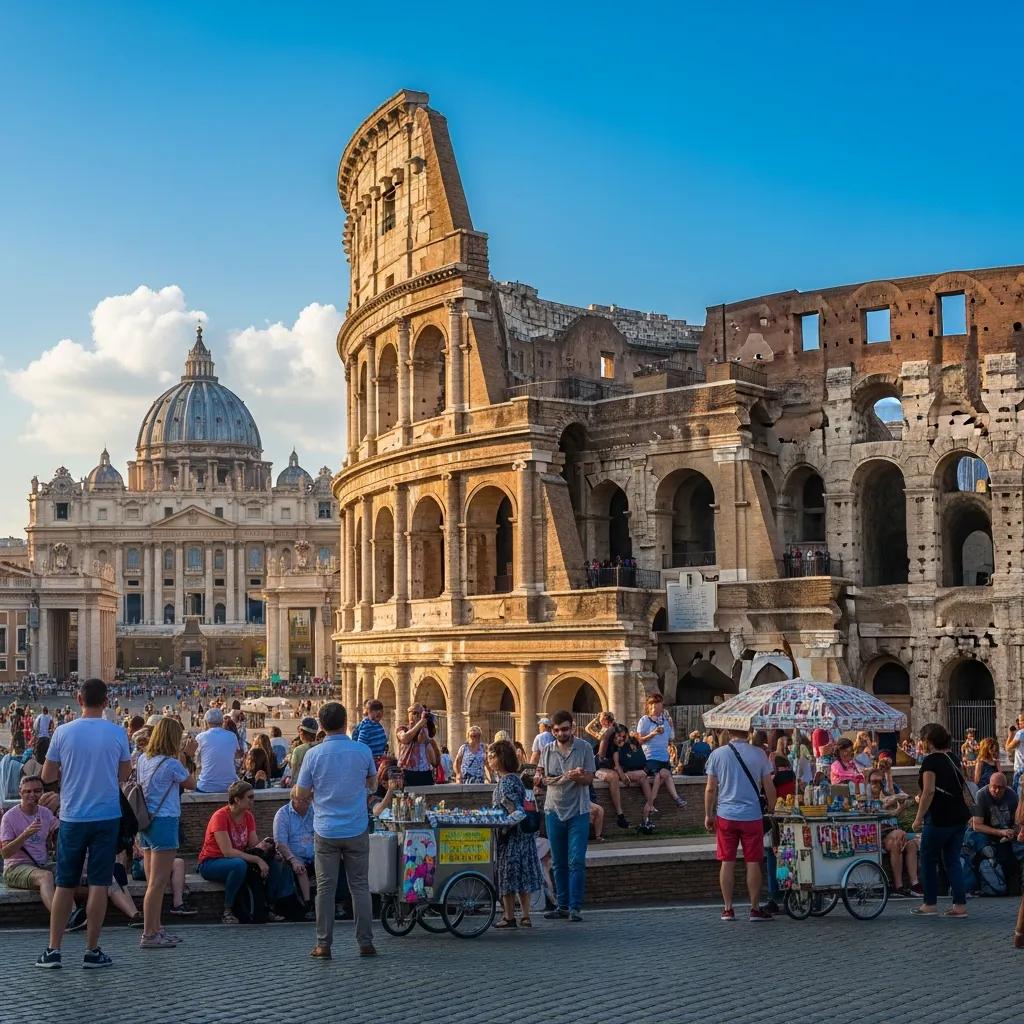
Experience Rome like never before with over 50 captivating activities and hidden gems. Uncover local treasures that make your trip unforgettable!
50 Best Things to Do in Rome Top Attractions Hidden Gems Local Experiences: Comprehensive Guide for Informed Travelers
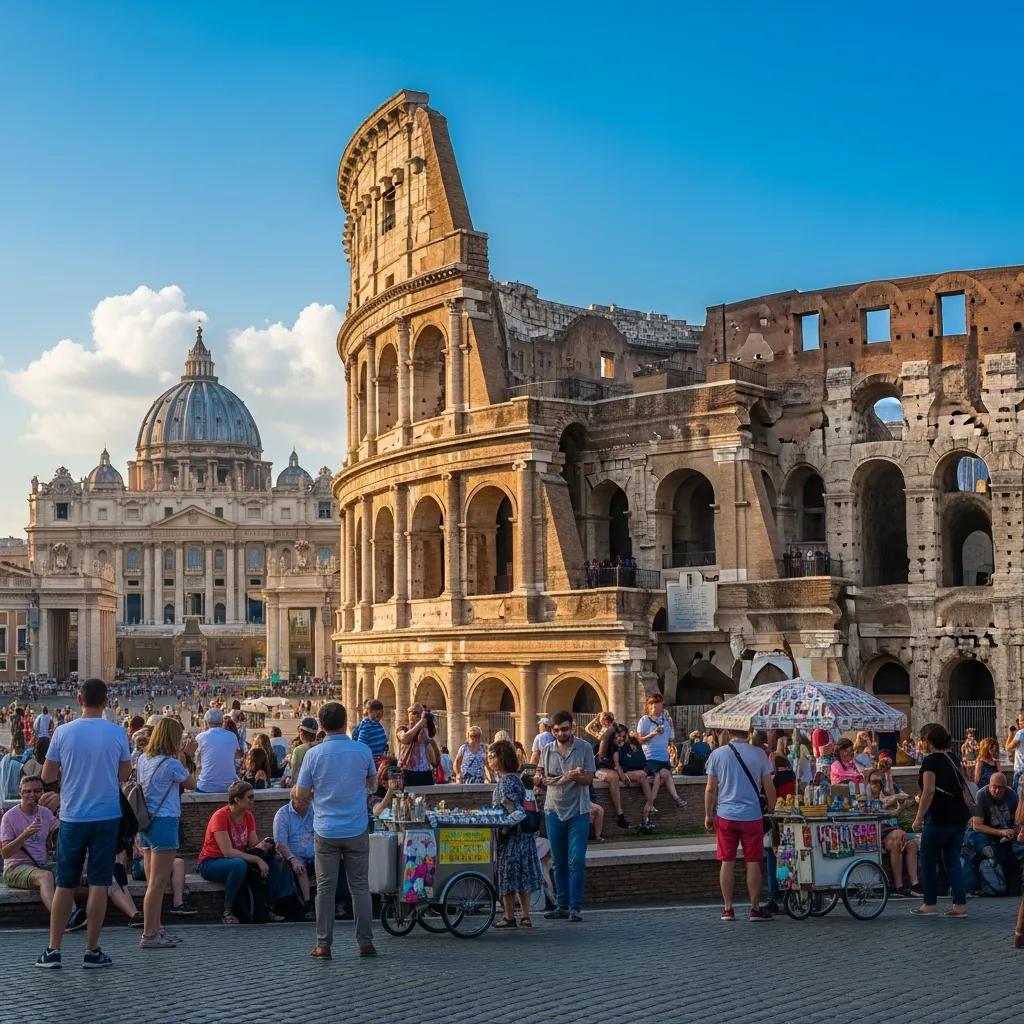
Rome, the Eternal City, is a treasure trove of history, culture, and culinary delights, and as the capital of Italy, it took on an even greater national role after unified Italy in 1870. This comprehensive guide explores over 50 of the best things to do in Rome, from iconic landmarks to hidden gems and local experiences that will enrich your visit. Travelers often find themselves overwhelmed by the sheer number of attractions, making it essential to have a well-planned itinerary; a smart walk between key sights and clear maps can help organize your stops efficiently. This article aims to provide insights into must-see historical sites, Vatican treasures, local neighborhoods, and authentic culinary experiences. Whether you're a first-time visitor or a seasoned traveler, you'll discover valuable tips and recommendations to make the most of your Roman adventure. We will delve into historical landmarks, Vatican sites, local neighborhoods, food tours, family-friendly activities, and day trip options, ensuring a well-rounded exploration of this magnificent city, with early spring, fall, summer, and winter each offering different planning advantages.
What Are the Must-See Historical Landmarks in Rome?
Rome is renowned for its historical landmarks that tell the story of its rich past. From ancient ruins to magnificent architecture, these sites are essential for any visitor. Key landmarks include the Colosseum, Roman Forum, and Palatine Hill, each offering a glimpse into the grandeur of ancient Rome. Understanding their historical significance enhances the experience, making it more than just sightseeing.
How to Explore the Colosseum: History and Visit Tips
The Colosseum, an iconic symbol of Rome, is a must-visit for its architectural brilliance and historical importance, and one of the top sights for tourists interested in the Roman Empire. Built in AD 70-80, it was the largest amphitheater of its time, hosting gladiatorial contests and public spectacles. To make the most of your visit, consider these tips:
Best Times to Visit: Early morning or late afternoon visits help avoid crowds.
Ticket Purchasing Tips: Buy tickets online in advance to skip long lines, and allow extra time for security checks at entry.
Guided Tour Options: Opt for a guided walking tour to understand the site in context and gain deeper insights into its history and architecture.
For those looking to enhance their experience, Travel Ninja offers curated tours that include skip-the-line access and expert guides.
What to Know About the Roman Forum and Palatine Hill
The Roman Forum and Palatine Hill are adjacent to the Colosseum and provide a fascinating look into the remains of the Roman Empire and ancient Roman life. The Forum was the center of political, social, and economic activity, while Palatine Hill is believed to be the birthplace of Rome. Key points to consider include:
Historical Importance: The ruins reflect the grandeur of ancient Rome and its governance.
Visiting Hours and Tips: Check for seasonal hours and consider a combined ticket with the Colosseum.
Nearby Attractions: Don't miss the Capitoline Museums, stop by Piazza Venezia, and enjoy the stunning views from Palatine Hill.
Which Vatican and Religious Sites Should You Include in Your Rome Itinerary?
The Vatican City, an independent city-state, is home to some of the most significant religious sites in the world. Visitors should prioritize the Vatican Museums, Sistine Chapel, and St. Peter's Basilica for a comprehensive experience.
What Are the Highlights of the Vatican Museums and Sistine Chapel?
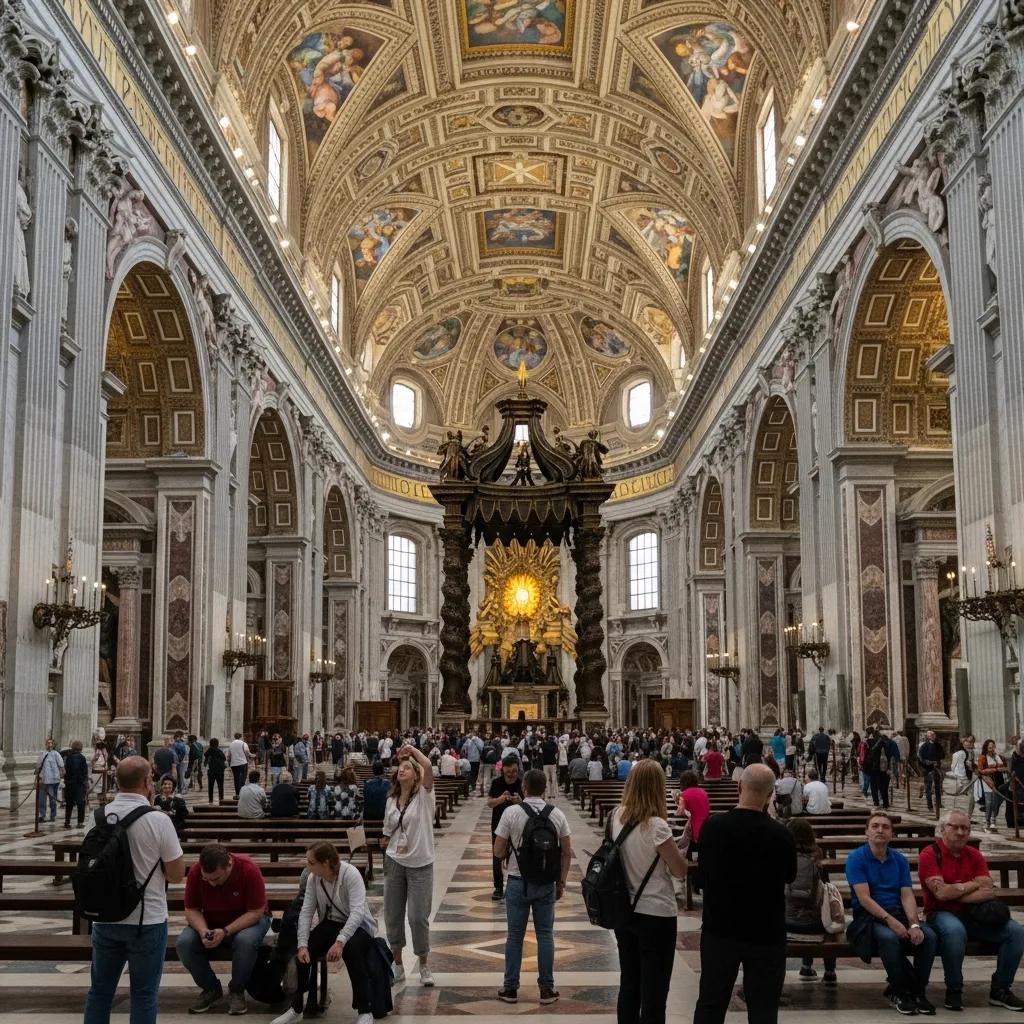
The Vatican Museums house an extensive collection of art and historical artifacts, culminating in the breathtaking Sistine Chapel. Highlights include:
Must-See Artworks: Michelangelo's frescoes, particularly "The Last Judgment," are iconic.
Visiting Hours: The Museums are typically open from 9 AM to 6 PM, with extended hours on Fridays until 10 PM.
Tour Options: Consider guided tours for in-depth knowledge and to skip lines, or choose a structured course through the collections if you want more context as you go.
How to Visit St. Peter's Basilica and Square Efficiently
St. Peter's Basilica, or San Pietro, is a masterpiece of Renaissance architecture and a pilgrimage site for millions. To visit efficiently:
Entry Tips: Entry is free, but consider a guided tour for a more enriching experience, and expect airport-style security checks before entering.
Best Times to Visit: Early mornings or late afternoons are less crowded.
Nearby Attractions: Explore St. Peter's Square and the Vatican Gardens for a complete experience; the basilica and square sit on Vatican City’s side of the city centre and are easy to combine with nearby stops.
Where Can You Discover Rome's Local Neighborhoods and Hidden Gems?
Beyond the famous landmarks, Rome's neighborhoods offer unique experiences that reflect the city's vibrant culture. Exploring areas like Trastevere and Testaccio reveals local life and hidden gems.
What Unique Experiences Does Trastevere Offer?
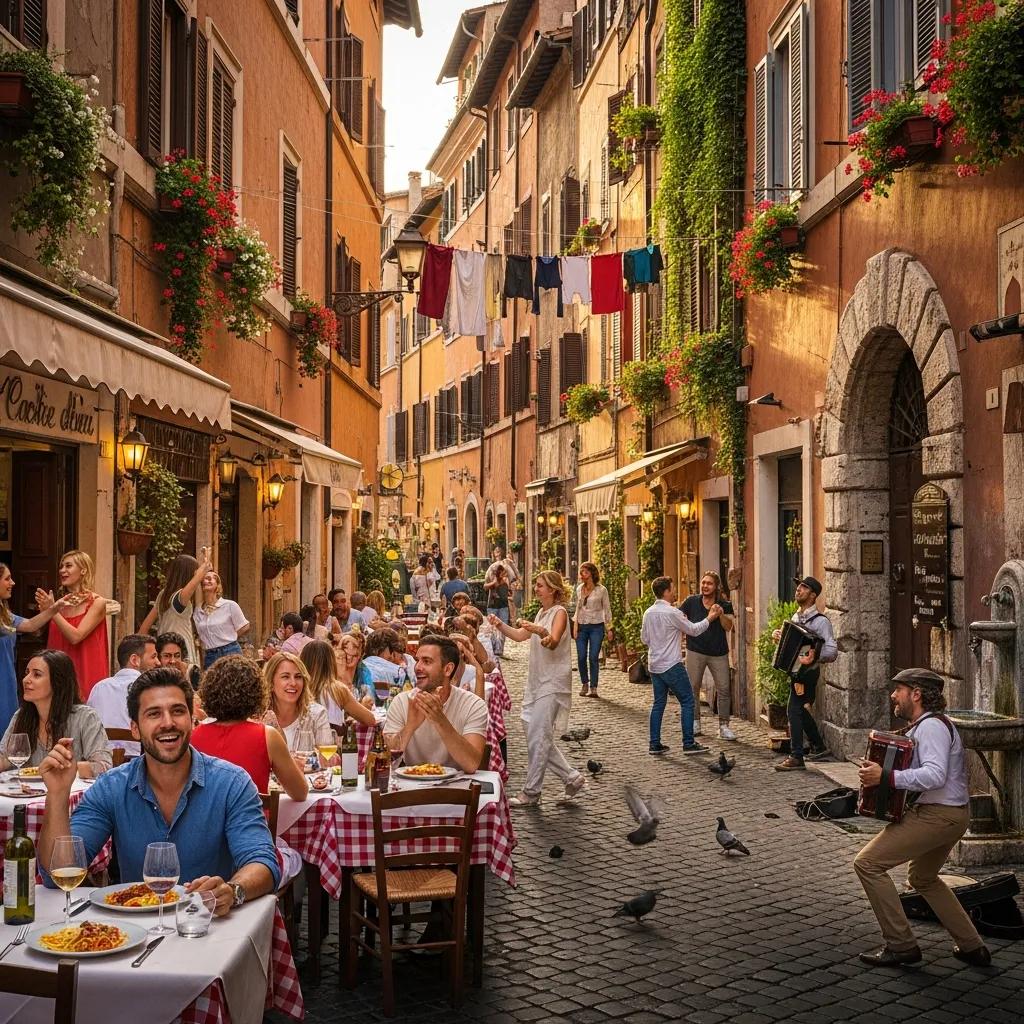
Trastevere is known for its charming streets, lively atmosphere, and authentic Roman cuisine, and it’s a great place to experience how Romans eat and spend the evening. Key experiences include:
Cultural Highlights: Visit the beautiful Santa Maria in Trastevere church and enjoy street performances.
Dining Recommendations: Try local dishes at traditional trattorias, such as Da Enzo al 29, and order cacio e pepe.
Local Attractions: Explore the Orto Botanico for a peaceful retreat from the bustling city.
After sightseeing, Trastevere is a great spot to eat and linger.
How to Explore Lesser-Known Attractions Off the Beaten Path
For those seeking a more authentic experience, Rome has numerous lesser-known attractions worth exploring. Consider these tips:
Suggestions for Hidden Gems: Visit the Quartiere Coppedè for its eclectic architecture, explore Campo de' Fiori for its lively market atmosphere, or stop by Piazza Navona to admire its fountains and the Egyptian obelisk.
Visiting Tips: Use public transport to reach these areas easily.
Cultural Significance: Each hidden gem offers a unique perspective on Roman history and culture.
Aventine Hill offers a quieter corner of the city, and the Orange Garden is a perfect place for peace and a sunset view, with a short walk linking some of these central sights.
What Are the Best Food and Culinary Tours to Experience Authentic Roman Cuisine?
Rome is a culinary paradise, offering a variety of food experiences that showcase its rich gastronomic heritage. From street food to fine dining, there’s something for every palate.
Which Local Food Experiences Should Travelers Not Miss?
When in Rome, certain culinary experiences are essential:
Pasta Carbonara: A classic Roman dish made with eggs, cheese, guanciale, and pepper, while cacio e pepe is another must-try Roman staple.
Supplì: Fried rice balls filled with mozzarella, perfect for a quick snack.
Gelato: Indulge in authentic Italian gelato at local gelaterias.
These are also some of the free things travelers can sample affordably while wandering local neighborhoods between major sights.
How to Book Guided Culinary Tours in Rome
For a deeper dive into Roman cuisine, a Rome food tour can be a great way to explore Rome through neighborhood dishes and market culture. Here’s how:
Booking Platforms: Use reputable platforms to find tours that suit your interests.
Tour Recommendations: Look for tours that include market visits, cooking classes, and gelato tasting for a more hands-on experience.
Timing Tips: Book in advance, especially during peak tourist seasons, and note that some tours start around Campo de' Fiori or near Termini Station for convenience.
What Family-Friendly Activities and Nightlife Options Are Available in Rome?
Rome offers a variety of family-friendly activities and vibrant nightlife options, ensuring that visitors of all ages can enjoy the city.
Which Attractions Are Suitable for Families with Children?
Families can find numerous attractions that cater to children:
Bioparco di Roma: A well-maintained zoo located in Villa Borghese, perfect for a family day out.
Explora Children's Museum: An interactive museum designed for children to learn through play.
Villa Borghese Gardens: Rent bikes or pedal boats for a fun day outdoors.
Where to Experience Rome's Nightlife and Cultural Events
Rome's nightlife is vibrant, with options ranging from bars to cultural events:
Highlight Nightlife Spots: Visit the Trastevere area for lively bars and music venues, or stop by Piazza del Popolo for evening people-watching and city views before heading to the bars.
Cultural Events: Check local listings for concerts, theater performances, and festivals.
Visitor Tips: Enjoy a late dinner and experience the city’s nightlife after dark; some rooftop or terrace venues are especially appealing at sunset.
How Can You Plan Day Trips and Accommodation Options for a Seamless Rome Visit?
Planning day trips and accommodation is crucial for a smooth visit to Rome. The city serves as an excellent base for exploring nearby attractions.
What Are Recommended Day Trips from Rome?
Several day trips offer a chance to explore more of Italy beyond the capital, and these excursions are among the cool places to consider outside the city:
Tivoli: Visit the stunning Villa d'Este and Hadrian's Villa, both UNESCO World Heritage Sites.
Ostia Antica: Explore the ancient ruins of this former port city, which is less crowded than Pompeii.
Castelli Romani: Discover charming towns like Frascati and enjoy local wines and cuisine.
How to Choose and Book Hotels and Tour Packages in Rome
Selecting the right accommodation can enhance your experience:
Discuss Hotel Options: Consider staying in central areas like Trastevere or near the Vatican for easy access to attractions; staying near Piazza di Spagna, at the foot of the Spanish Steps, also puts you close to major sights and offers a great view from above after a short walk. Some centrally located hotels also offer beautifully designed rooms for travelers who prioritize style and comfort.
Booking Platforms: Use trusted travel websites to compare prices and read reviews, especially for properties in the city centre that are convenient for tourists who want to walk to attractions like the Trevi Fountain, the famous fountain known for its coin-tossing tradition.
Timing Tips: Book early, especially during peak seasons, to secure the best rates.