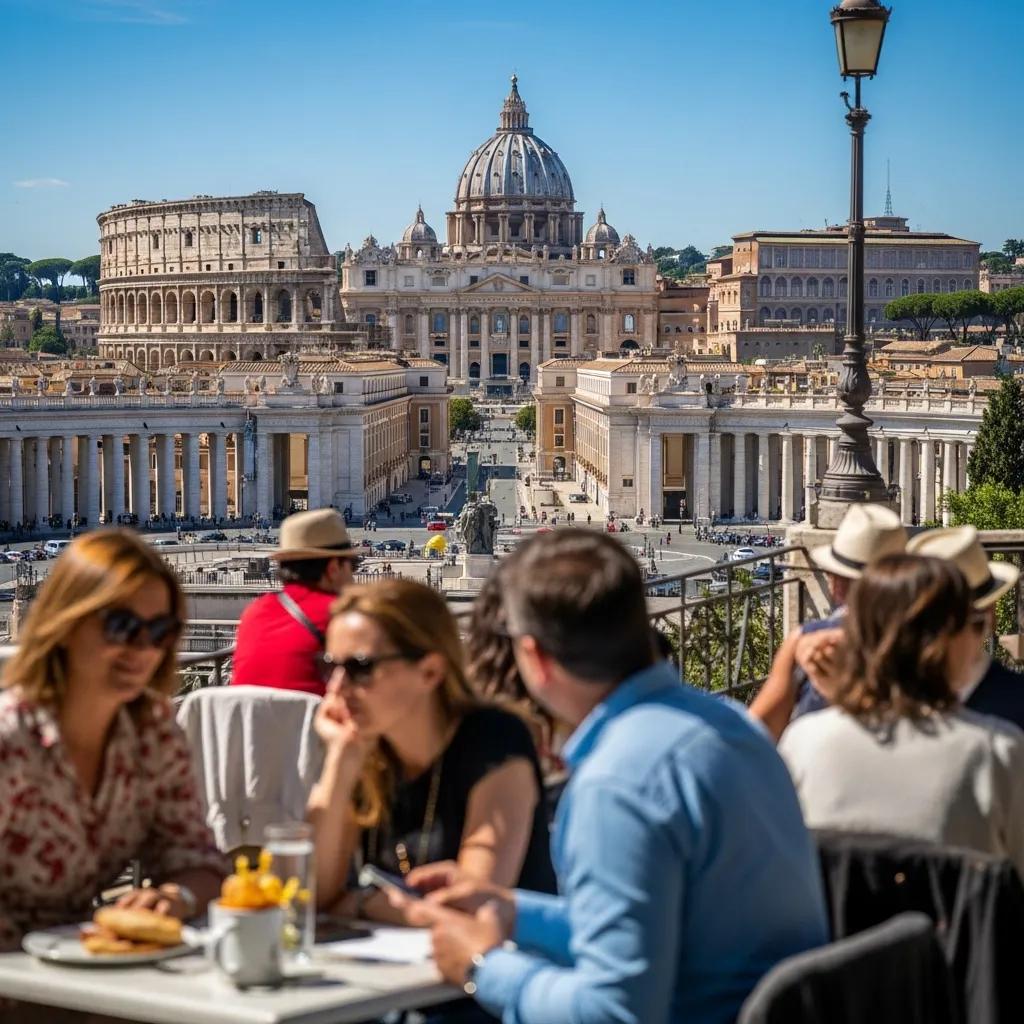
A month-by-month guide to Rome's weather, crowds and prices, including the cheapest and least crowded times to go.
Rome works in every season; what changes is the trade-off. Mild weather and long evenings come with the biggest crowds, while winter is cheaper and quieter but cooler and wetter. Easter week and June are the busiest stretches, and July and August bring heat above 30°C. If price or quiet matters more than weather, aim for late January, February or November. Planning a longer trip? Our Rome destination guide covers the city beyond the calendar.
Best time to visit Rome, month by month: weather, crowds and prices
| Month | Avg high/low (°C) | Rain (mm / days) | Crowds | Prices | Verdict |
|---|---|---|---|---|---|
| January | 12/3 | 66 mm / 7 | Low | Low | Good value; cold, short days |
| February | 13/3 | 63 mm / 7 | Low | Low | Good value; Carnival events |
| March | 16/6 | 59 mm / 7 | Moderate | Moderate | Good; changeable weather |
| April | 19/9 | 69 mm / 7 | High (Easter) | Moderate to high | Excellent; book Easter early |
| May | 22/13 | 57 mm / 6 | High | High | Excellent |
| June | 28/17 | 30 mm / 3 | High | High | Great; hot by month end |
| July | 31/19 | 20 mm / 2 | Very high | Very high | Hot; early starts only |
| August | 32/20 | 30 mm / 2 | High | High | Avoid if you can; Ferragosto closures |
| September | 27/16 | 65 mm / 6 | High | High | Excellent; easing after mid-month |
| October | 22/12 | 88 mm / 7 | Moderate to high | Moderate | Excellent; wetter |
| November | 17/9 | 108 mm / 9 | Low | Low | Good value; rainiest month |
| December | 13/5 | 98 mm / 9 | Moderate (high at Christmas) | Moderate to high | Good early month; festive |
Temperatures and rainfall are NOAA 1991–2020 normals for Rome Ciampino Airport; rain days are days with at least 1 mm. The airport sits on the city's edge, so central Rome can feel a degree or two warmer on summer afternoons. Crowd and price ratings are our editorial read of the year, relative to Rome's own seasons, not measured data.
Cheapest time to visit Rome
The cheapest time to visit Rome is January and February (after the holidays end) and November, outside the Christmas weeks. Hotels and flights are at their lowest then, and sights rarely need booking far ahead. The trade-off is weather: cool days around 12–13°C in winter and the heaviest rain of the year in November, about 108 mm. Early December is also good value before the festive peak. Prices climb from Easter and stay high through September.
Least crowded time to visit Rome
The least crowded time to visit Rome is late January to February, with November a close second. Queues at the Colosseum and Vatican Museums shrink, and restaurant tables are easy to get. Avoid Easter, the long weekends around 25 April, 1 May and 2 June, and the Christmas to Epiphany stretch. If you want warm weather with fewer people, choose the last two weeks of September or the first half of October.
Winter: January and February
Winter is Rome at its quietest. Expect highs of 12–13°C, lows near 3°C and about seven rainy days a month, so pack a waterproof layer. It suits museum-heavy trips: the Capitoline Museums, Galleria Borghese and the Vatican Museums are far more pleasant without summer queues. Epiphany on 6 January and February Carnival add local color.
Spring: March to May
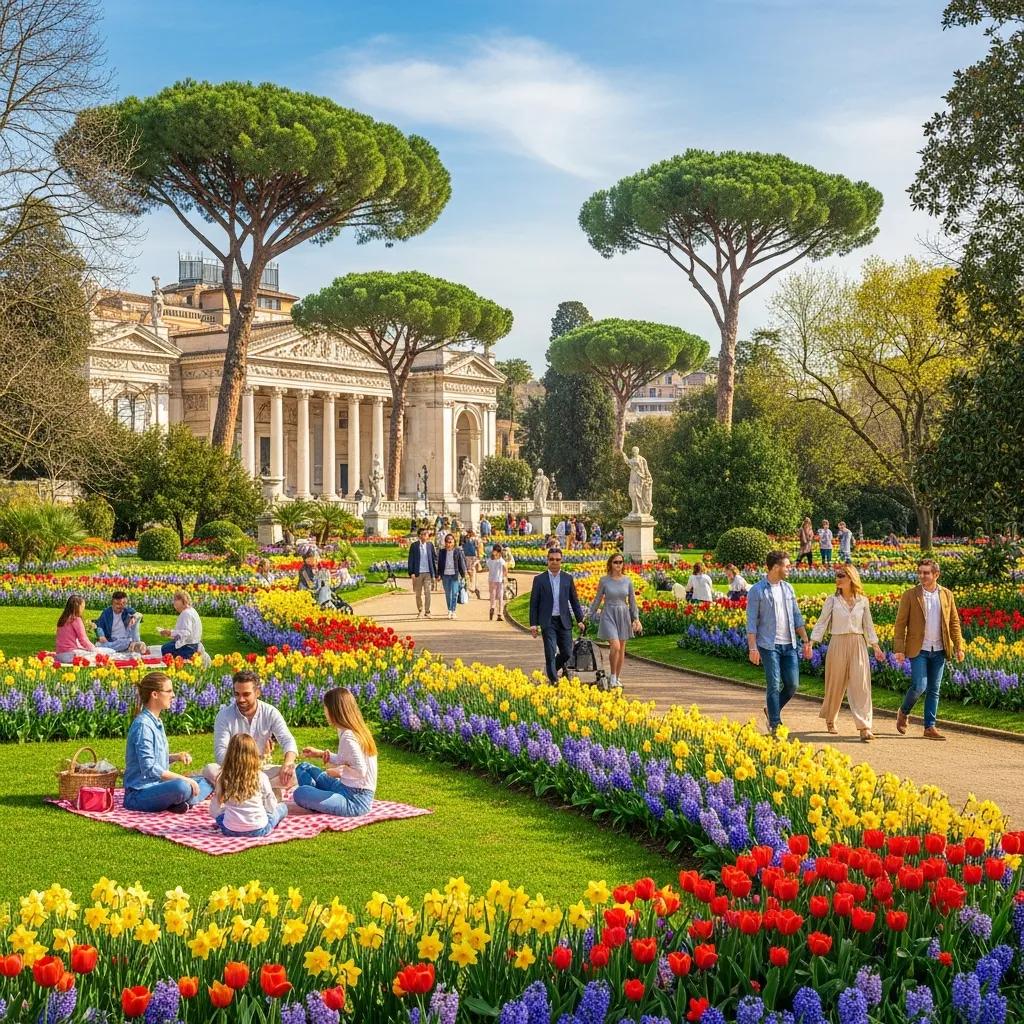
March is changeable, but by April highs reach 19°C and by May 22°C, with gardens in bloom and long evenings for dining outdoors. Natale di Roma, the city's traditional birthday, falls on 21 April, with historical re-enactments and events across the center. Easter draws pilgrims and families, so reserve hotels and timed tickets well ahead. Late April to May is the best balance of weather and crowds for most visitors.
Summer: June to August
June is still good early on, with 28°C highs and little rain, but crowds and heat build quickly. July and August average highs of 31–32°C. July is the driest month (about 20 mm), with June and August tied next at about 30 mm, so plan sightseeing for early morning and after 6pm, and keep the hottest hours for museums, long lunches or a pool. Ferragosto on 15 August closes many family-run shops and restaurants as Romans leave town, although the main sights generally stay open; check the Vatican Museums' calendar before you go. For more on day-to-day planning, see our guide to the best things to do in Rome.
Autumn: September to November
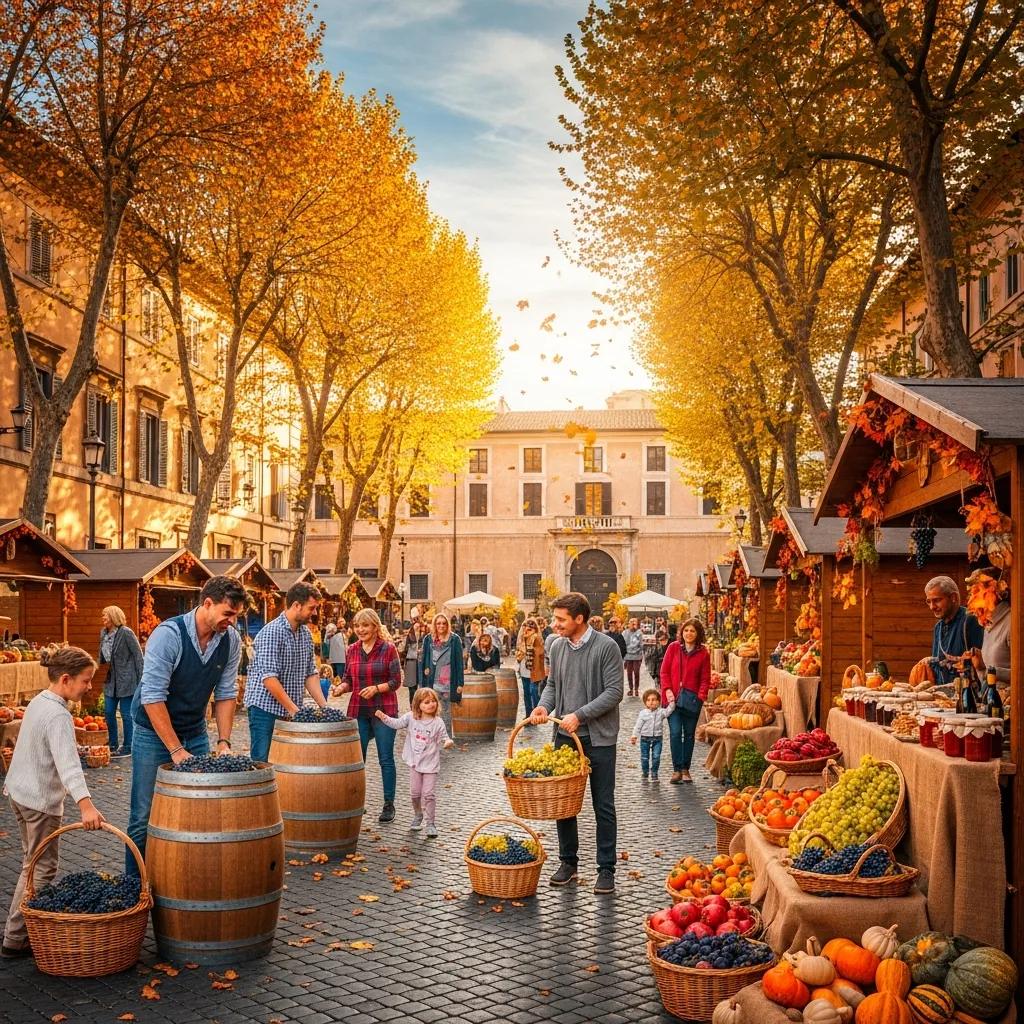
September is arguably the best month: still warm at 27°C, with the post-summer rush easing after mid-month. October is mild at 22°C but wetter, with around 88 mm of rain. November is the rainiest and quietest month. The Rome Film Festival takes place in October, and All Saints' Day on 1 November is a public holiday.
December in Rome
December is cool and wet, with highs around 13°C. Christmas lights, nativity scenes and the Immaculate Conception on 8 December give the city a festive feel, but hotels fill and prices rise from mid-month. Early December is the calmer option.
Booking and safety in brief
- Book ahead for the big sights. Reserve Colosseum, Vatican Museums and Galleria Borghese entry in advance in spring, summer and autumn; book ahead year-round, though winter slots are easier to get.
- Be flexible with dates. Shifting a trip by even two weeks, say from mid-June to early September, can change both weather and hotel rates noticeably. Compare rates for your own dates rather than relying on a blanket discount.
- Watch your belongings. Pickpocketing is the main nuisance around the Colosseum, Termini station and busy buses and metro lines; keep bags zipped and in front of you.
- Plan the base. Our guide on where to stay in Rome helps you choose a neighborhood that fits the season.
Combining the best time to visit Rome with the rest of Italy
Rome rarely travels alone. For the whole country, see the best time to visit Italy. Heading south, the best time to visit Naples and the best time to visit the Amalfi Coast follow different rhythms: the coast is at its best from late spring to early autumn.