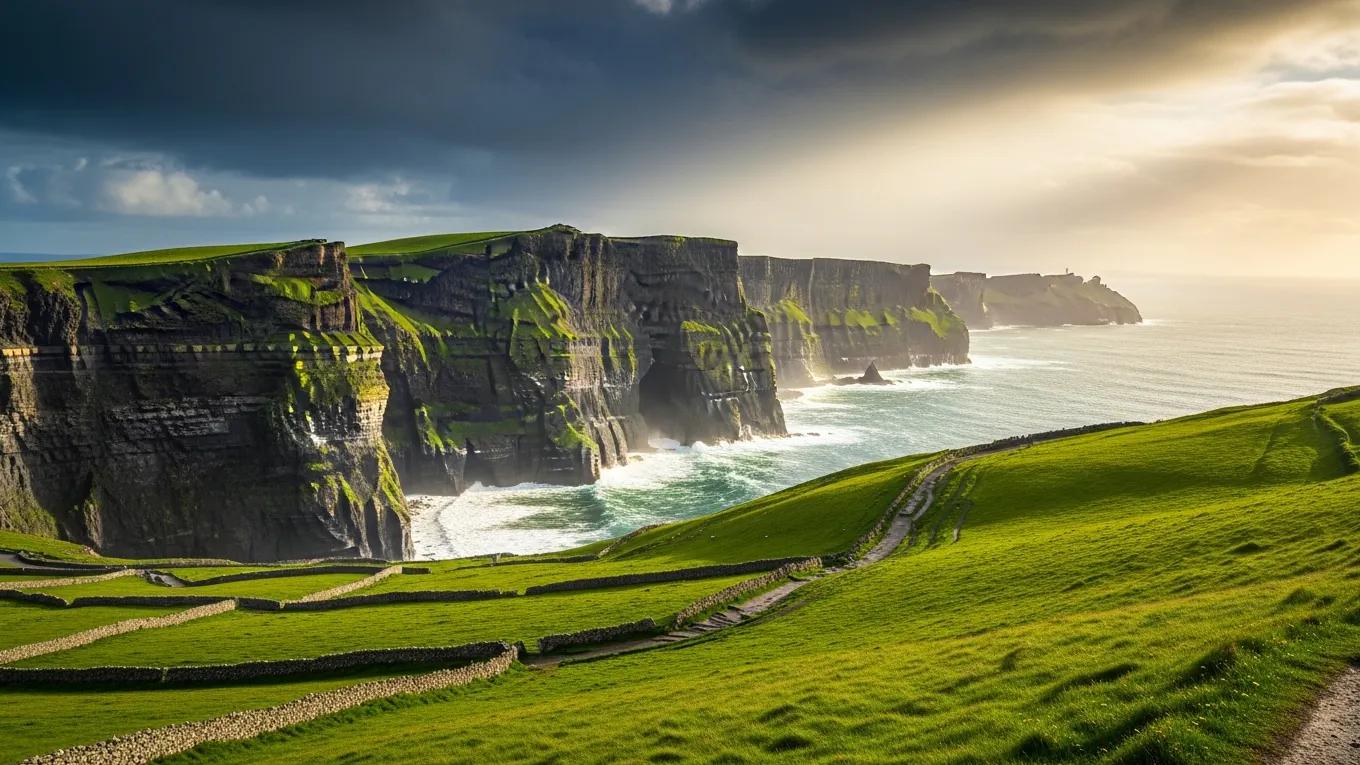
Explore the enchanting landscapes of Ireland. Unveil breathtaking places to visit that promise unforgettable experiences and stunning natural beauty.
Best Places to Visit in Ireland: Comprehensive Guide to Top Tourist Attractions and Travel Planning
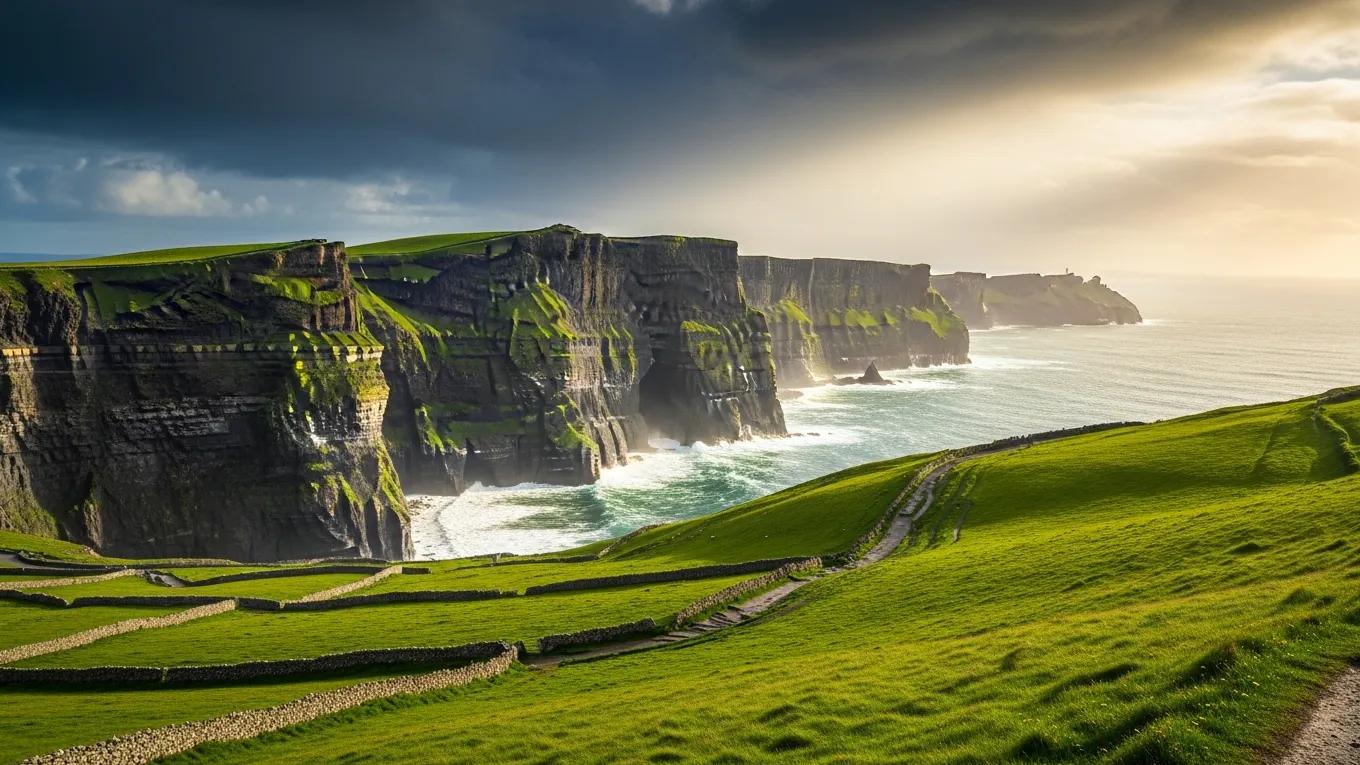
Ireland, known for its stunning landscapes and rich cultural heritage, offers a plethora of experiences for travelers. This guide will explore the best places to visit in Ireland, highlighting key tourist attractions, historical landmarks, and vibrant cities. Whether you're drawn to the breathtaking cliffs, ancient castles, or lively urban centers, this article will provide valuable insights into planning your perfect Irish getaway. From the wind-carved cliffs of County Clare to the medieval lanes of Kilkenny and the wild boglands of Connemara, Ireland rewards travellers who slow down and follow the coast. We will cover top tourist attractions, iconic castles, scenic drives, and effective travel itineraries, ensuring you have all the information needed for an unforgettable trip.
What Are the Top Tourist Attractions in Ireland?
Ireland is home to numerous tourist attractions that captivate visitors with their beauty and historical significance. From the majestic Cliffs of Moher to the vibrant streets of Dublin, these sites offer a glimpse into the country's rich heritage and stunning landscapes. Understanding the key attractions can enhance your travel experience and help you prioritize your itinerary.
Which Famous Landmarks Should You Not Miss?
When visiting Ireland, several landmarks stand out as must-see destinations. The Cliffs of Moher stretch over 9 miles along the coast and rise more than 700 feet above the Atlantic Ocean, providing breathtaking views; while they are not currently designated as a UNESCO World Heritage site, they remain a key natural landmark. Visiting before mid-morning or after 4pm avoids the coach parties that arrive from Galway, Dublin and Limerick on day tours, and gives clearer views along the cliff-top path near O'Brien's Tower. Another iconic site is the Giant's Causeway, set on the Emerald Isle in Northern Ireland and known for its 40,000 interlocking basalt columns, including its distinctive hexagonal formations created by volcanic activity. The Dark Hedges is another famous Northern Ireland stop, known for its tunnel of beech trees and its screen fame from Game of Thrones. Additionally, the Rock of Cashel, a historic site with medieval architecture, features a Round Tower and chapel that offer insight into Ireland's ecclesiastical history. Near Galway and Clare, the Aran Islands are famed for their rugged Atlantic setting and ancient stone forts perched dramatically above the sea. Each of these landmarks not only showcases Ireland's natural beauty but also tells a story of its past.
What Cultural Experiences Define Ireland's Heritage?
Cultural experiences in Ireland are as diverse as its landscapes, from Dublin City, a UNESCO City of Literature since 2010, to Galway. Traditional Irish music and dance are integral to the country's identity, with lively sessions of live music in traditional pubs across cities like Galway and Dublin, while Galway is also known for its busker-filled streets and traditional music sessions, where enjoying a perfect pint is part of the appeal. Festivals such as St. Patrick's Day and the Galway International Arts Festival celebrate Ireland's rich traditions and contemporary arts, and Galway was a European Capital of Culture in 2020. Culinary experiences, including sampling local dishes like Irish stew and soda bread, further immerse travelers in the local culture. Engaging with these cultural elements allows visitors to appreciate the depth of Ireland's heritage.
Which Irish Castles Are Must-See Destinations?
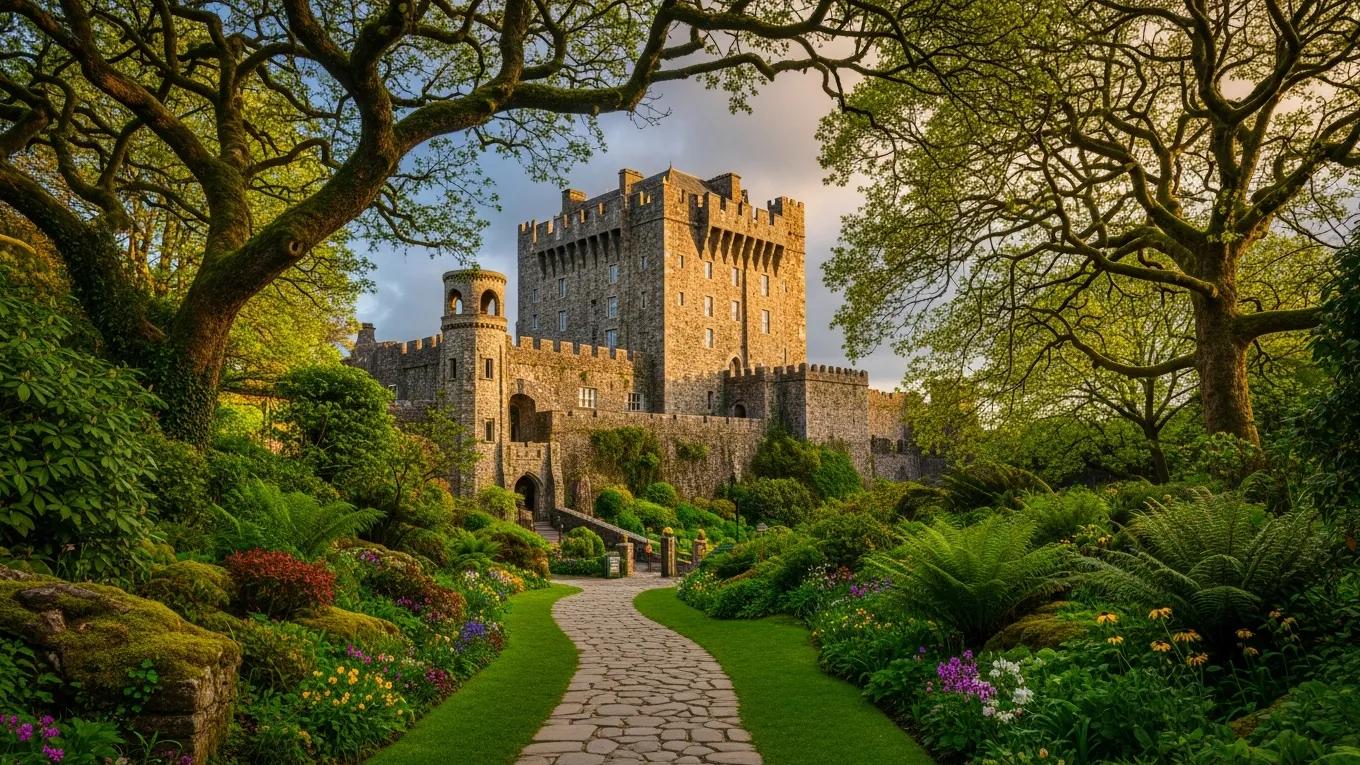
Ireland's castles are a testament to its storied past, with many offering a glimpse into the lives of ancient nobility. These structures, often set against picturesque backdrops, are not only architectural marvels but also steeped in history.
What Are the Most Visited Castles in Ireland?
Among the most visited castles in Ireland is the stunning Blarney Castle, famous for its Blarney Stone, which is said to bestow the gift of eloquence upon those who kiss it. Another notable castle is Kilkenny Castle, which showcases beautiful gardens and a rich history dating back to the 12th century. Additionally, Dublin Castle, with its blend of medieval and Georgian architecture, serves as a significant government complex and a popular tourist attraction. Each of these castles offers unique insights into Ireland's feudal past and architectural evolution.
Many of these castles sit within an hour's drive of Dublin, Kilkenny or Cork, making it easy to pair a morning among the ruins with an afternoon in the city.
Castles, Cities & Coastlines
Ireland's castles and country houses trace the island's story from Anglo-Norman fortresses to Anglo-Irish country estates — pair a day among the ruins with a night in Kilkenny or Galway for a trip that balances history with modern Irish life.
— Travel Ninja Editors
How to Explore Castles Through Curated Tours and Itineraries
Exploring Ireland's castles can be made easier through curated tours that provide historical context and guided experiences, whether that means adding a walking tour through Kilkenny Castle’s bustling city setting and old-world charm or choosing a private tour for a more tailored visit. Many tour operators offer packages that include visits to multiple castles, often combined with transportation and knowledgeable guides. These itineraries can also pair castle stops with nearby ancient history landmarks in Ireland's East, such as Trim Castle in Meath, one of the largest Anglo-Norman castles in Ireland. Travelers interested in ancient sites can also add Newgrange, a 5,000-year-old passage tomb in Meath. For instance, a tour of the "Irish Castle Trail" can take you through several iconic sites, and Dublin-based itineraries often combine castle visits with Trinity College to see the 1,200-year-old Book of Kells, allowing you to appreciate their beauty and history without the hassle of planning each visit. Booking in advance is recommended, especially during peak tourist seasons, to secure your spot, particularly for small-group castle tours that cap numbers at a dozen guests or fewer.
What Are the Best Scenic Drives to Experience Ireland's Natural Beauty?
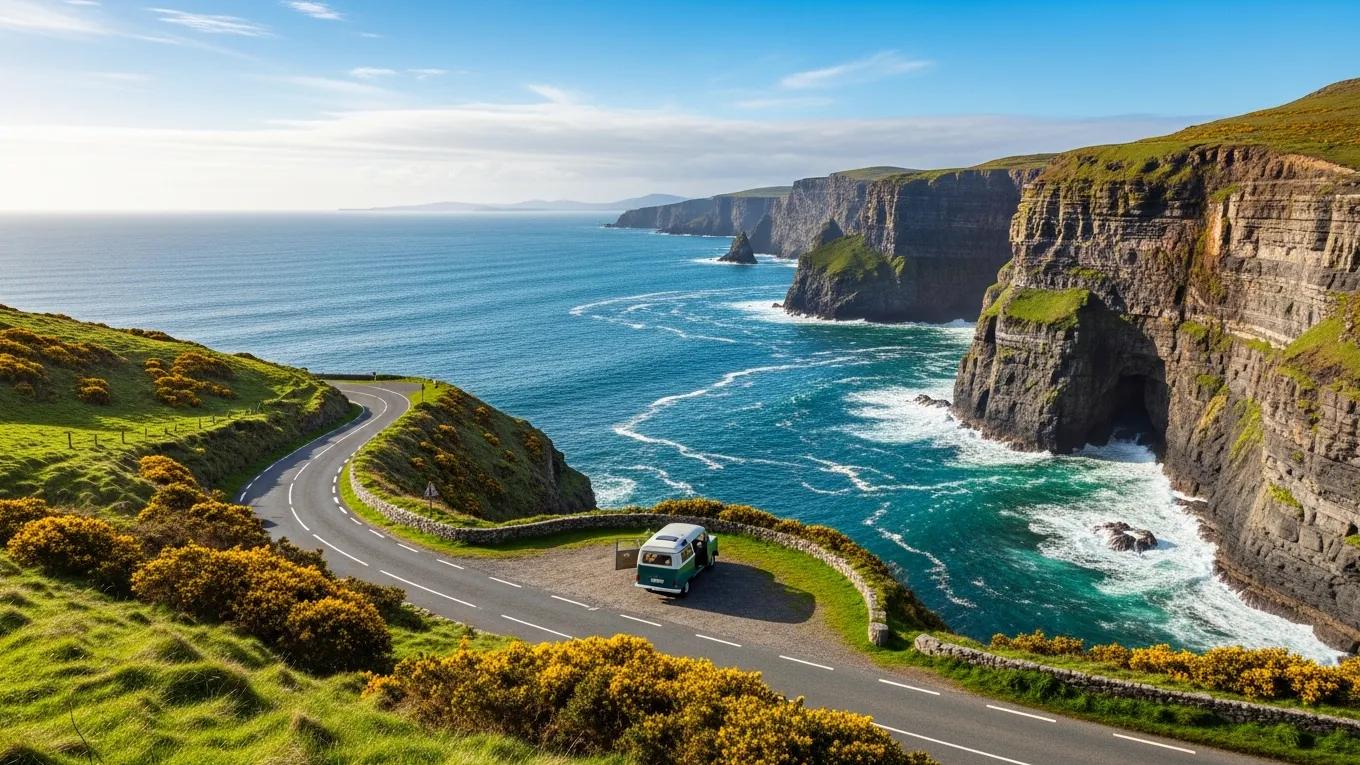
Ireland's landscapes are best appreciated from the road, with numerous scenic drives that showcase the country's natural beauty. These routes offer stunning views of mountains, coastlines, and lush countryside, making them ideal for leisurely exploration.
Which Coastal Routes Offer the Most Stunning Views?
The Wild Atlantic Way is perhaps the most famous coastal route, stretching over 1,500 miles along Ireland's west coast. This drive features a rugged landscape, charming seaside villages, and breathtaking scenery. County Donegal is another standout coastal region, and the Inishowen Peninsula offers a 100-mile scenic loop drive. Malin Head is Ireland's most northerly point. The Dingle Peninsula is also celebrated for its sweeping coastal drives, with Slea Head Drive standing out as a favorite scenic loop. Sliabh Liag in County Donegal rises nearly three times taller than the Cliffs of Moher. Another notable route is the Causeway Coastal Route in Northern Ireland, a 185km drive through County Antrim that takes you along the Causeway Coast past the Giant's Causeway and offers stunning vistas of the Antrim coastline. Dunluce Castle is perched on the cliff edge. Both routes provide ample opportunities for photography and exploration, making them essential for any traveler seeking to experience Ireland's natural beauty. The Copper Coast in county Waterford is a scenic choice away from the beaten track.
Launched by Fáilte Ireland in 2014, the Wild Atlantic Way is marketed as the world's longest defined coastal touring route, running roughly 2,500km from County Donegal to County Cork.
How to Plan a Scenic Drive Including Key Stops and Attractions
Planning a scenic drive in Ireland involves selecting key stops and attractions along the route. It's advisable to allocate sufficient time for each stop to fully appreciate the sights and make room for outdoor adventures. For example, while driving the 179km Ring of Kerry scenic drive around the Iveragh Peninsula — note that large tour coaches keep to the main N70 route, so drivers wanting a quieter alternative can peel off onto the narrower Skellig Ring near Portmagee, a coach-free loop with views out to the Skellig Islands — consider visiting Killarney National Park, Ireland’s oldest national park, where you can explore its beautiful lakes and mountains as well as nearby forest trails. If you're heading farther afield, Wicklow Mountains National Park is known for its wild beauty, while Kerry Cliffs are especially striking at golden hour. For Skellig Michael, a UNESCO World Heritage site known for its ancient huts, check boat options in advance, as landing tours are weather-dependent and involve a steep climb. Additionally, research local eateries and accommodations along the route to enhance your experience. Utilizing travel apps or maps can help you navigate and discover a hidden gem along the way.
Which Irish Cities Are Best for Exploration and Accommodation?
Dublin, Galway and Cork anchor most Irish itineraries and sit close enough together to combine easily: Galway is roughly 210km (130 miles) west of Dublin, about two and a half hours via the M6, while Cork lies some 255km (160 miles) south-west, around two and a half to three hours via the M8. Each city has its unique charm and attractions that cater to various interests.
What Are the Highlights of Dublin, Galway, and Cork?
Dublin, the capital city, is known for its vibrant atmosphere, landmarks such as Trinity College, Dublin Castle, Patrick's Cathedral, and the Guinness Storehouse, plus the lively feel around Grafton St. Galway City, often referred to as the cultural heart of Ireland, boasts colorful streets, lively festivals, and a strong artistic community. Cork, known for its culinary scene, offers attractions such as the English Market and the historic Cork City Gaol. Each city provides a unique experience, making them worthwhile stops on your Irish adventure.
What Accommodation Options Are Available in Major Cities?
Travelers to Ireland will find a range of accommodation options in major cities, from luxury hotels to budget-friendly hostels. In Dublin, the Shelbourne Hotel offers a historic and luxurious stay, while the Generator Hostel provides a more affordable option for budget travelers. Galway features charming guesthouses and boutique hotels, such as the House Hotel, which combines comfort with local flair. Cork also offers diverse accommodations, including the River Lee Hotel, known for its modern amenities and scenic views. Booking in advance is recommended, especially during peak tourist seasons, to secure the best rooms, as Dublin, Galway and Cork's most characterful hotels sell out weeks ahead in summer.
For those planning their journey, comprehensive guides often provide detailed insights into both scenic routes and diverse lodging options.
How Can Travelers Plan Effective Ireland Travel Itineraries?
Creating an effective travel itinerary for Ireland involves careful planning to ensure you experience the best the country has to offer. With numerous attractions and activities, a well-structured itinerary can help maximize your time.
What Are Recommended Multi-Day Itineraries Covering Key Destinations?
For a comprehensive experience, consider a multi-day itinerary that includes major destinations such as Dublin, Galway, and the Ring of Kerry. A suggested itinerary could start in Dublin, where you can explore historical sites and enjoy the local cuisine. Next, head to Galway for its vibrant culture and scenic landscapes, with a day trip to connemara national park to experience Connemara’s wild boglands and rugged coastlines. The park also offers stunning landscapes and hiking trails, with panoramic views from popular routes, including the Diamond Hill hike, which gains 1,300 feet in elevation. Just north of the park, Kylemore Abbey — a 19th-century Gothic Revival castle built by Mitchell Henry and now a Benedictine abbey — sits on the shore of Pollacapall Lough beneath the Twelve Bens, with a restored Victorian walled garden a short walk from the main house. For more west-coast scenery, continue into County Mayo for Achill Island and outdoor stops, or try the Great Western Greenway for an easy, scenic ride. Follow this with a drive along the Wild Atlantic Way. Downpatrick Head is another dramatic coastal stop, known for its striking cliffs and sea stack views. Finally, conclude your trip with a visit to the stunning Cliffs of Moher and the charming town of Doolin in county clare, with time to explore the Burren in Co. Clare, known for its unique lunar-like landscape and a few off-the-beaten-path detours. Silver Strand Beach also makes a peaceful stop nearby. This itinerary allows you to experience a mix of urban and natural attractions, providing a well-rounded view of Ireland.
How to Book Tours and Accommodations Through Travel Ninja's Platform
Travel Ninja is a travel-focused platform dedicated to providing curated travel information and accommodation options, specifically targeting travelers interested in Ireland. Booking through Travel Ninja allows you to access a variety of tours and accommodations tailored to your preferences, especially for first-time visitors who want a smoother planning process. The platform offers user-friendly navigation, enabling you to compare options, read reviews, and choose smaller guided experiences if you'd rather avoid the crowds that often come with tour buses. Whether you're looking for guided tours of historical sites or comfortable lodging in major cities, Travel Ninja simplifies the booking process, ensuring a seamless travel experience.
What Are Essential Travel Tips and Seasonal Advice for Visiting Ireland?
Traveling to Ireland requires some preparation to ensure a smooth and enjoyable experience. Understanding the best times to visit and essential travel tips can enhance your trip.
When Is the Best Time to Visit Ireland for Weather and Events?
The best time to visit Ireland is during the spring (March to May) and fall (September to November) when the weather is mild, and tourist crowds are smaller, making them ideal for travelers seeking more off-the-beaten-path experiences. Spring brings blooming flowers and vibrant landscapes, while fall offers stunning autumn foliage. Summer (June to August) is peak tourist season, with warmer weather and numerous festivals, but it can also be crowded and more expensive. The southern half of the country is especially busy in peak season, particularly along popular coastal routes. Winter (December to February) is the least popular time to visit due to colder temperatures and shorter days, but it offers a unique charm with fewer tourists and festive holiday events.
What Safety, Security, and Compliance Measures Should Travelers Know?
Travelers to Ireland should be aware of basic safety and security measures. While Ireland is generally safe for tourists, it's advisable to stay vigilant in crowded areas and keep personal belongings secure. Additionally, familiarize yourself with local laws and customs, particularly regarding alcohol consumption and driving regulations. If you're planning serious hikes, prepare properly for major routes such as the 128-kilometer Wicklow Way. The Mourne Wall hike spans 31 kilometers and calls for suitable gear and close attention to weather conditions. Climbs such as Carrauntoohil, Ireland’s highest peak at 1,038 meters, demand extra caution. Ireland drives on the left, and many rural roads — including sections of the Ring of Kerry and the Wild Atlantic Way — are single-track with blind bends, so it's worth arranging rental car cover with adequate excess protection in advance. The emergency number for police, fire and ambulance is 112 (or 999) throughout Ireland and Northern Ireland, and mountain weather on routes like Carrauntoohil or the Mourne Wall can turn quickly, even in summer. Understanding these safety measures will help ensure a worry-free travel experience in Ireland. Wild camping rules vary by landowner and location, so always check local guidance.