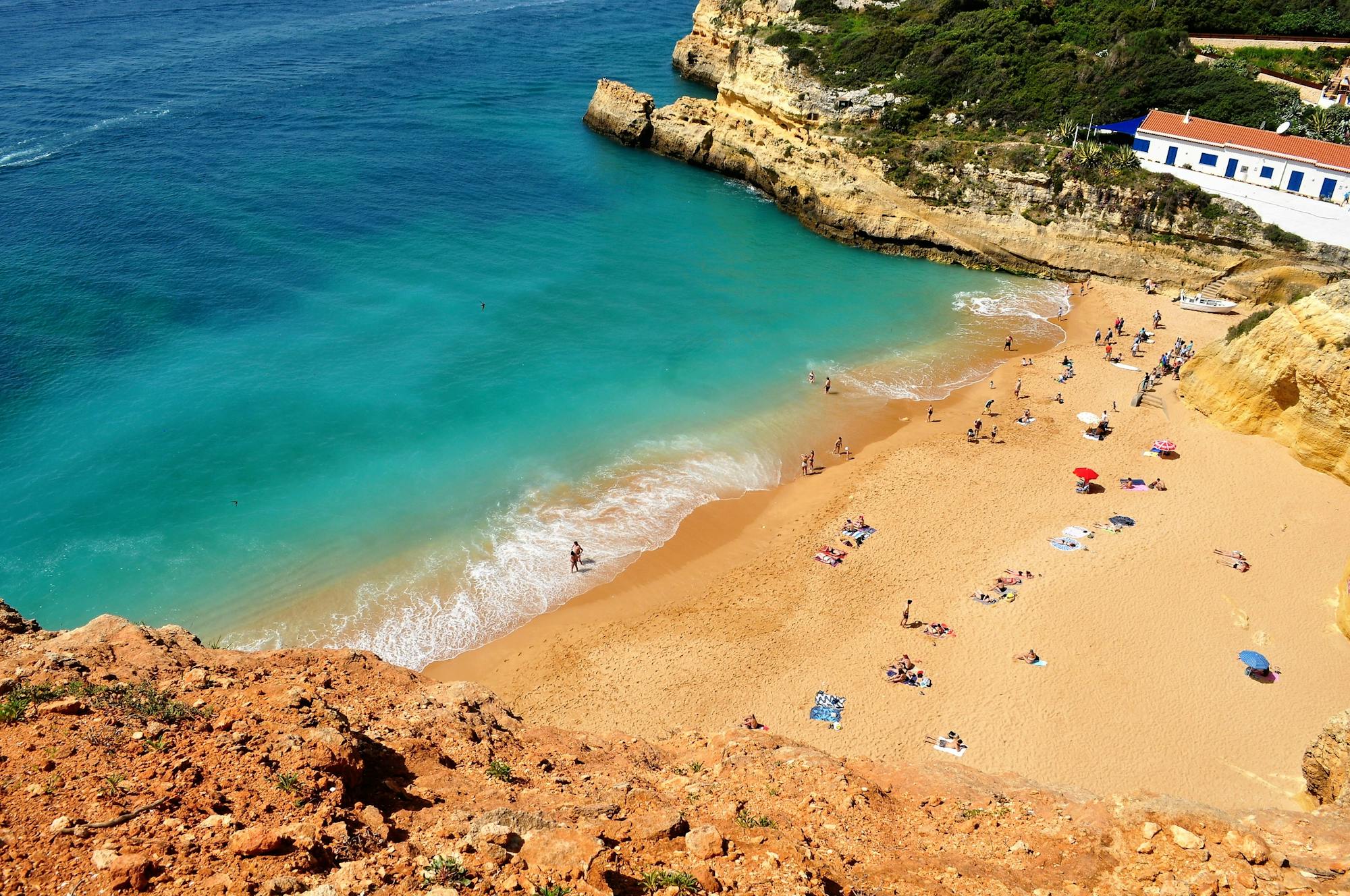
The best time to visit Albufeira is May through June or September through October, when shoulder months deliver the Algarve at its finest — reliable sunshine, a warm and swimmable sea, golden-clifftop beaches without August overcrowding, and accommodation prices 30–50% lower than peak season rates. With over 3,000 annual hours of sunshine, Albufeira is also a superb winter-sun destination from November through February.
The best time to visit Albufeira is May through June or September through October. These shoulder months deliver the Algarve at its finest — reliable sunshine, a warm and swimmable sea, golden-clifftop beaches without the August overcrowding, and accommodation prices that are 30–50% lower than peak season rates. July and August are the busiest and most expensive months, when Albufeira's beaches are at their most crowded and the town's nightlife runs at full intensity — a wonderful time for those who embrace the full resort experience, but not ideal for visitors seeking space and tranquillity. With over 3,000 annual hours of sunshine, Albufeira is also a superb winter-sun destination from November through February, when mild temperatures, empty beaches, and rock-bottom prices make it one of the best-value off-season breaks in Europe.
Best Time to Visit Albufeira: Spring (March–May)
Spring arrives early and warmly in Albufeira, Portugal, on the Algarve's south-facing coast, with a Mediterranean climate marked by dry summers and mild winters. March brings mild temperatures (15–18°C), the first wildflowers on the cliff tops, and a sea temperature of around 16°C — still cool for swimming but fine for beach walks and boat trips, with spring also suiting outdoor activities and exploring the coastline. April warms noticeably — 18–21°C — and the sea begins its climb toward summer warmth. Easter week brings increased Portuguese and UK visitor numbers and accommodation prices rise temporarily. May is the finest spring month: temperatures regularly reach 23–25°C, the sea reaches 18–19°C (swimmable for most), all water activities and boat trips are running at full capacity, accommodation prices are at shoulder levels, and the cliff-top wildflowers — poppies, cistus, sea lavender — are at their most vivid; the sunny days and low rainfall also make it a strong time to visit for beach activities. May is arguably the single best-value month in Albufeira.
Summer (June–August): Perfect for Beach Days
June marks the true beginning of beach season, and the summer months are the high season for tourists planning a beach day — sea temperatures climb to 21–22°C, the days are long (sunset past 9pm at the summer solstice), and the resort shifts into full operating mode. Boat trips to the Benagil Cave and other boat tours along the coastline sell out daily from June through August, thanks in part to the clear waters, and must be booked well in advance. July and August are the busiest months, with July the hottest month; temperatures average 30–33°C, conditions are hot, the sea reaches 22–23°C, and this is peak summer, so beaches fill completely by mid-morning on peak days. The Strip nightlife in the new town is at its most intense — bars, clubs, concerts, foam parties, and a late night scene running until dawn. Accommodation prices peak in August; hotels are heavily booked in high season, and all-inclusive packages to Albufeira are among the most popular summer holiday products for UK and Irish families and book out many months ahead. Despite the crowds, Albufeira in high summer has enormous energy and is genuinely fun if you embrace the resort atmosphere.
Autumn (September–November): Water Sports Opportunities
September is the month that frequent Algarve visitors consider their secret, and many see it as the perfect time to visit Albufeira: sea temperatures are at their annual warmest (23–24°C), the summer crowds begin departing from the first week, accommodation prices drop sharply, and the weather remains excellent with temperatures of 25–28°C. October is still warm and sunny (22–25°C), the sea stays swimmable through the month, and the shoulder season brings a relaxed atmosphere that is ideal for visitors who want to relax, with the resort operating at a far more relaxed pace than in peak season. Restaurants are still open, including many popular restaurants, boat trips running, and the beaches are enjoyable for beach activities without the overcrowding. November cools to 17–20°C, some seasonal businesses close, and the resort enters its quietest phase — still pleasant for walking and sightseeing but definitively post-beach-season. Autumn is also a good time for exploring nearby towns and the historic center.
Winter (December–February)
Albufeira in winter is the low season, a quiet time when the resort feels transformed — calm, local, and surprisingly pleasant. Temperatures average 14–17°C in January, and the weather in Albufeira still brings frequent sunshine alongside occasional showers and a bit more winter rainfall. The beach promenades are peacefully empty, the old town operates at a local rhythm, and the handful of year-round restaurants offer excellent Portuguese food at local prices. Visitors arriving via Faro Airport can still use Albufeira as a handy base for nearby towns and an easy city day trip. Hotels in January and February can be 60–70% below August peak rates, so winter stays offer extraordinary value for sun seekers. The Algarve's winter vegetables and citrus are outstanding: blood oranges, medronho (arbutus berry), freshly pressed olive oil, and the first almond blossoms arriving in late January are authentic seasonal experiences impossible to have in summer.
What to Avoid and the Best Time to Visit Off-Peak
Avoid the last two weeks of July and the entire month of August if your priority is a relaxed beach holiday, as this is not the best time to visit during high season — Praia de Falesia and Praia da Oura are packed wall-to-wall on peak days and the road traffic in and around Albufeira causes significant delays. The Strip nightlife district is genuinely very loud from mid-June through mid-September; bars and clubs stay busy deep into the night, so book accommodation away from it if noise is a concern. For many travelers, the first two weeks of October are the shoulder season sweet spot and the best time to visit for value: warm sea, golden light on the cliffs, empty beaches, and prices at 40–50% below summer rates. November through January is ideal for golfers — the Algarve's golf courses (Vale do Lobo, Quinta do Lago, Vilamoura) offer their lowest green fees and best availability in winter, and the mild weather also suits outdoor activities beyond the beach.
Olhos de Água hosts the Sardine Festival and still reflects its roots as a small fishing village on the Atlantic Ocean.
Some visitors use off-peak weeks to try the best hotels, browse shops, or spend time on the sand when the sea is calmer to look at rather than for swimming.