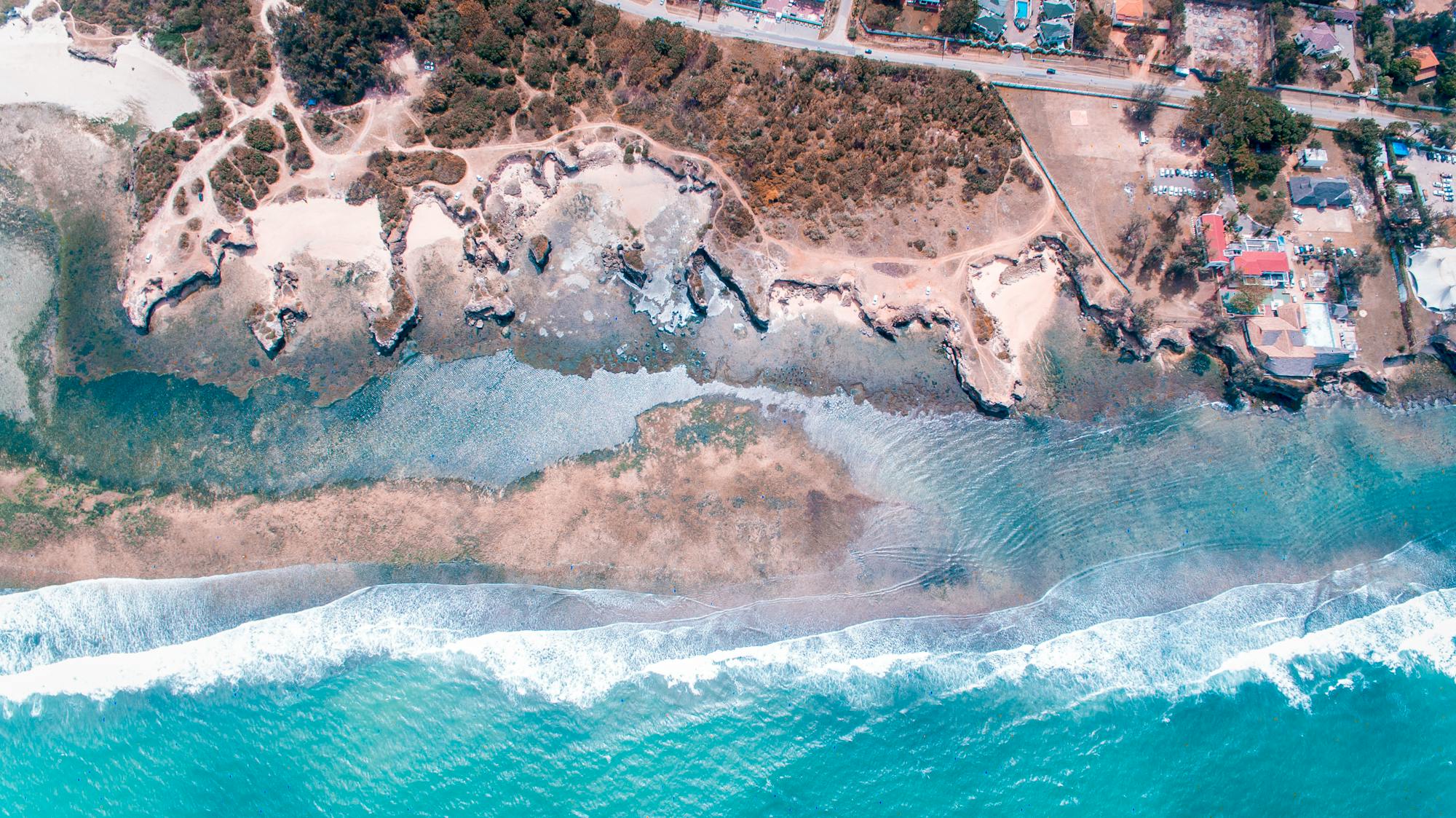
The best time to visit Dar es Salaam is during the dry seasons — either the long dry season from June to October or the short dry season from December to February. During these periods the city is at its most comfortable: humidity drops, skies are clear, and the beaches and offshore islands around the harbour are at their most inviting.
The best time to visit Dar es Salaam is during the dry seasons — either the long dry season from June to October or the short dry season from December to February. During these periods the city is at its most comfortable: humidity drops, skies are clear, and the beaches and offshore islands around the harbour are at their most inviting.
Best Time to Visit Dar es Salaam: June to October Long Dry Season (Best)
June through October is Dar's most comfortable period — humidity decreases significantly, temperatures range from 22–30°C, and the southeast trade winds keep coastal conditions pleasant. The offshore islands (Bongoyo, Mbudya, Pangavini, and Kendwa within the harbour) are at their best for day trips, making this the best time to visit Dar es Salaam for beaches thanks to clear skies, minimal rainfall, clear water, excellent snorkelling, and white sand beaches reachable by speedboat in 15–30 minutes from the city. July and August are the coolest and most pleasant months. This window also aligns well with safari connections to Tanzania's northern parks (Serengeti, Ngorongoro, Kilimanjaro) or southern parks (Nyerere/Selous, Ruaha) for combined city-safari itineraries, and it is also peak season for wildlife viewing and game drives across Tanzania’s northern circuit, with Mount Kilimanjaro fitting naturally into wider trip planning. These are also the best months for the Great Migration in the northern Serengeti, especially around river crossings at the Mara River, where predator action and Nile crocodiles add to the spectacle. Grumeti crossings are more typical earlier in the dry season.
December to February: Short Dry Season
December through February is Dar's second comfortable window — hot (30–32°C) but with manageable humidity and mostly dry conditions. The Christmas period is busy with both international and domestic visitors, and many lodges and beach stays book up early during this peak travel window. January and February are an excellent time to visit Tanzania for combining Dar with the Zanzibar archipelago (a 90-minute ferry or 20-minute flight) as both coast and safari areas are in their dry season simultaneously. Safari travelers heading north may also time trips for southern Serengeti wildebeest calving during calving season. The harbour islands remain excellent for snorkelling and swimming.
March to May: Long Rains
Tanzania has two rainy seasons, and the long rainy season (March–May) brings heavy daily downpours that can significantly affect movement around the city — Dar's road drainage is poor in many areas and flooding is common during heavy rain events. Humidity is high (85–95%), temperatures remain warm (28–30°C), and the weather, with disruption the main drawback during this period, makes outdoor sightseeing uncomfortable. April is typically the wettest month. Safari connections continue to operate, but this is generally the low season, some camps in southern Tanzania close for the rains, and some remote areas can be harder to access. Hotel rates drop 20–30% and the city is quieter. This is the only time many travelers try to avoid if their priority is reliable game viewing and wildlife viewing.
October to November: Short Rains
October and November mark the short rainy season, with October in Dar often still drier before rain showers become more frequent, making it a good value period. November becomes progressively wetter. This green season begins around this time and is an excellent time for birders, as migratory birds and other migratory species arrive. The transition toward the drier spell in December is usually fairly rapid, and rains tend to ease by mid December.
Practical Notes
Dar es Salaam's tropical coastal climate means humidity is a factor year-round — even the dry seasons can feel humid by temperate standards. The best time to visit and the right time to visit Tanzania depend on whether you prioritize city breaks, wildlife, beaches, or climbing Kilimanjaro. The city is at sea level and significantly hotter than highland Tanzania, reflecting East Africa’s sharp altitude contrasts between the coast and inland areas. Air conditioning is standard in all quality hotels. The Dar es Salaam port area and city centre are best explored in the morning before the midday heat; the Msasani peninsula and coastal areas are more pleasant in the afternoon when sea breezes develop. If you plan to visit Dar es Salaam as part of a wider Tanzania trip, start planning around safari time in Nyerere National Park on the Rufiji River or another national park extension.