France is a year-round destination, but the best time to visit depends heavily on what you want to experience. For Paris and the city highlights, April to June and September to October offer the ideal combination of pleasant weather, manageable crowds, and lower prices. The south of France — Provence, the Riviera — peaks in July and August for beach weather but becomes extremely crowded and expensive.
Best Time to Visit France: Spring (March–May)
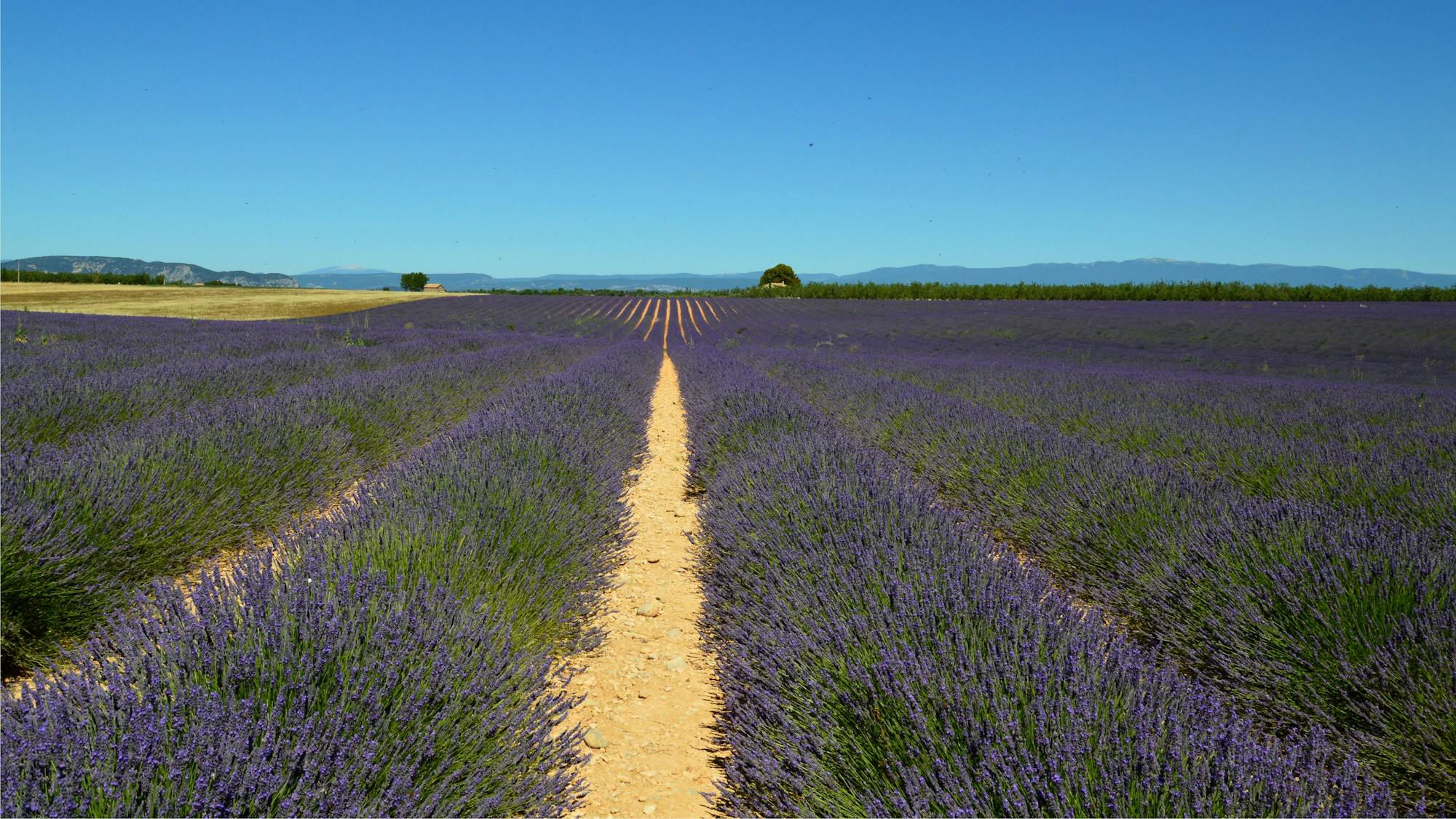
Spring is arguably the finest season for Paris. By April, the city bursts into bloom — cherry blossoms in the Tuileries and Luxembourg Gardens, café terraces overflow, and spring brings mild temperatures and good weather conditions for sightseeing, with the light retaining that famously beautiful quality that drew the Impressionists. Average temperatures range from 10–18°C, which suits outdoor activities like walking and cycling. Easter brings the first tourist surge, so avoid Holy Week in popular sites. May is a favourite month — long daylight hours, warm temperatures, and the city before the summer onslaught. The Roland Garros French Open fills Paris for the last two weeks of May through early June. In Provence, May to early June delivers the first lavender blooms in Valensole, and by early summer the lavender fields are moving toward full bloom as rosé wine season starts in the Luberon.
Summer (June–August) and Tour de France
Summer is the most popular time to visit France, especially July and August, but it also brings many visitors. French school holidays mean the entire country seems to move toward the Mediterranean coast and other coastal areas. The Côte d'Azur and Atlantic coast beaches are at their best — Nice averages 28°C in July, Biarritz 24°C. Paris in July hosts the spectacular Bastille Day celebrations on 14 July, with military parades on the Champs-Élysées and fireworks beneath the Eiffel Tower. The Tour de France also passes through different regions this month, adding to the festive atmosphere. However, Paris itself empties of Parisians in August (many close their businesses), making it simultaneously touristy and curiously quiet. In summer, many businesses shut for holidays, and the summer heat can make city sightseeing more tiring. The Avignon Festival in July transforms the Provençal city into Europe's largest performing arts event. The Cannes Film Festival and other cultural events are another big part of the season's appeal. Summer in Alsace means wine festivals, outdoor concerts, and cycling through vineyard villages in long golden evenings.
Autumn (September–November): Best Time to Visit
Autumn is France's best-kept secret for travellers seeking warm weather and fewer crowds. September brings the vendanges during harvest season, when the grape harvest transforms the wine regions of Bordeaux, Burgundy, Alsace, and the Loire Valley — vineyards glow gold and the air smells of fermenting juice. For France in September, expect temperatures of 18–22°C in the south, with comfortable temperatures, thinner crowds, and lower prices. By late September, autumn is in full swing in some regions. October in Paris brings the autumn art season, with major museum exhibitions and the city returned to its Parisian self after the summer tourist wave. Normandy and Brittany in October have dramatic skies, quieter beaches, historic sites, and quieter rural areas where travellers can enjoy a more peaceful atmosphere, plus exceptional seafood at its autumn best — scallops (coquilles Saint-Jacques) season opens in October. November sees the arrival of Beaujolais Nouveau on the third Thursday — a nationwide celebration of the year's first wine.
Winter (December–February) in the French Alps
Winter in France is magical in different ways depending on the region and your interests. Paris at Christmas is a magical time — festive markets line the Champs-Élysées and Tuileries, the city is beautifully decorated with a real festive feeling, and it especially appeals to food lovers with seasonal treats and holiday menus. January and February are the quietest and cheapest months for hotels. It’s also a good time to explore Paris when major attractions are quieter.
The French Alps (Chamonix, Courchevel, Méribel, Val d'Isère) are in full ski season from December through March, making them ideal for winter sports, though school holidays bring bigger crowds and higher prices at top resorts. Alsace's Christmas markets in Strasbourg, Colmar, and Mulhouse are among the finest in Europe, and in eastern France they light up quaint villages of half-timbered houses from late November through December. The south of France, including the French Riviera (Côte d'Azur), has mild winters — Nice averages 13°C in January — and is a good escape from northern grey skies. Nice Carnival in February is another big winter draw.
Shoulder Season Tips for the French Riviera
The undisputed sweet spots—and the best time to visit France for most travelers—are mid-April to late May and mid-September to late October. In these windows you get favorable weather conditions, with temperatures averaging comfortably across much of the country, dramatically reduced crowds at major attractions (especially Versailles, Mont Saint-Michel, and the Loire châteaux), hotel rates 20–40% lower than peak summer, and a more authentic experience of French daily life, while some rural areas feel quieter than peak season. Spring lavender in Provence begins in late May/early June, and July is when the lavender fields are in full bloom, so early June can be excellent for Provence before the summer crowds arrive. The Dordogne and Périgord are particularly lovely in May and October, with walnut and truffle seasons framing both ends of the shoulder window. For food lovers interested in French cuisine, shoulder season can be the perfect destination window.