Scotland is a remarkable year-round destination, with each season offering dramatically different — and equally compelling — reasons to visit. May to September delivers the longest daylight hours, best walking conditions, and most accessible Highlands, while winter brings extraordinary atmospheric landscapes, the Northern Lights (aurora borealis), and world-class whisky festivals.
Best Time to Visit Scotland: Spring (March–May)
Spring brings Scotland's most dramatic transformation and can be the best time to visit if you want fewer crowds and fresh scenery — brown winter moorland bursts into green, golden gorse flowers blaze across hillsides, and lambs appear in Highland fields. These are the spring months many travelers find most rewarding. March and April can still be cold and wet (temperatures 6–12°C), with unpredictable snow in the higher mountains, and because Scotland's weather is changeable, it's wise to pack layers and waterproof gear for cold snaps, rain, and that familiar crisp air. By May, the weather improves significantly (12–16°C), late-spring wildflowers brighten the landscape, daylight stretches to 17 hours in the far north, and the Highland scenery is at its most vivid and fresh while still avoiding high season crowds. May also marks the start of small ship cruising around the Scottish islands, with lambing season underway in many rural and island areas. The midge season has not yet begun in earnest (midges peak July–August), making May one of the finest months for outdoor activity. Beltane Fire Festival on Calton Hill in Edinburgh (30 April) is a spectacular neo-pagan celebration. Seabird colonies — puffins, gannets, kittiwakes — return to their coastal nesting sites from April onwards, and spring also brings rewarding wildlife watching around Loch Lomond, where red squirrels are among the seasonal highlights, as well as on the Firth of Forth islands and the Orkney and Shetland coastlines, with golden eagles another notable sight in parts of the Highlands and islands.
Summer (June–August) and Edinburgh Festival Fringe
Summer is Scotland's peak tourist season, the high season, and the busiest time for the country. The Edinburgh Festival Fringe in August is the world's largest arts festival — over 3,000 shows fill hundreds of venues across the city for three extraordinary weeks, and August is festival season, with festivals and live music pushing up visitor numbers in Edinburgh and Glasgow. The Royal Edinburgh Military Tattoo at the castle esplanade (August) is a spectacular display of military music and pageantry. If this is your best time for a trip, book accommodation and popular attractions well in advance during peak season, especially Edinburgh Castle, as summer travel planning often requires advanced reservations for popular attractions. The Highlands in summer offer the longest daylight, with temperatures reaching about 20°C and daylight hours stretching to up to 18 hours, and the most accessible walking conditions — the West Highland Way (96 miles) and Cape Wrath Trail are at their most walkable. Seaside areas are also ideal for coastal walks in summer. However, midges are genuinely ferocious from late June through August in the Highlands and Islands, especially in rural areas, and can also be an issue on the west coast during the summer months — bring excellent repellent and a midge net for facial protection. Highland Games season runs June through September, with the Braemar Gathering a standout late-season event and dozens of smaller towns hosting their own traditions, making this a great time to visit.
Autumn (September–November) and Highland Games
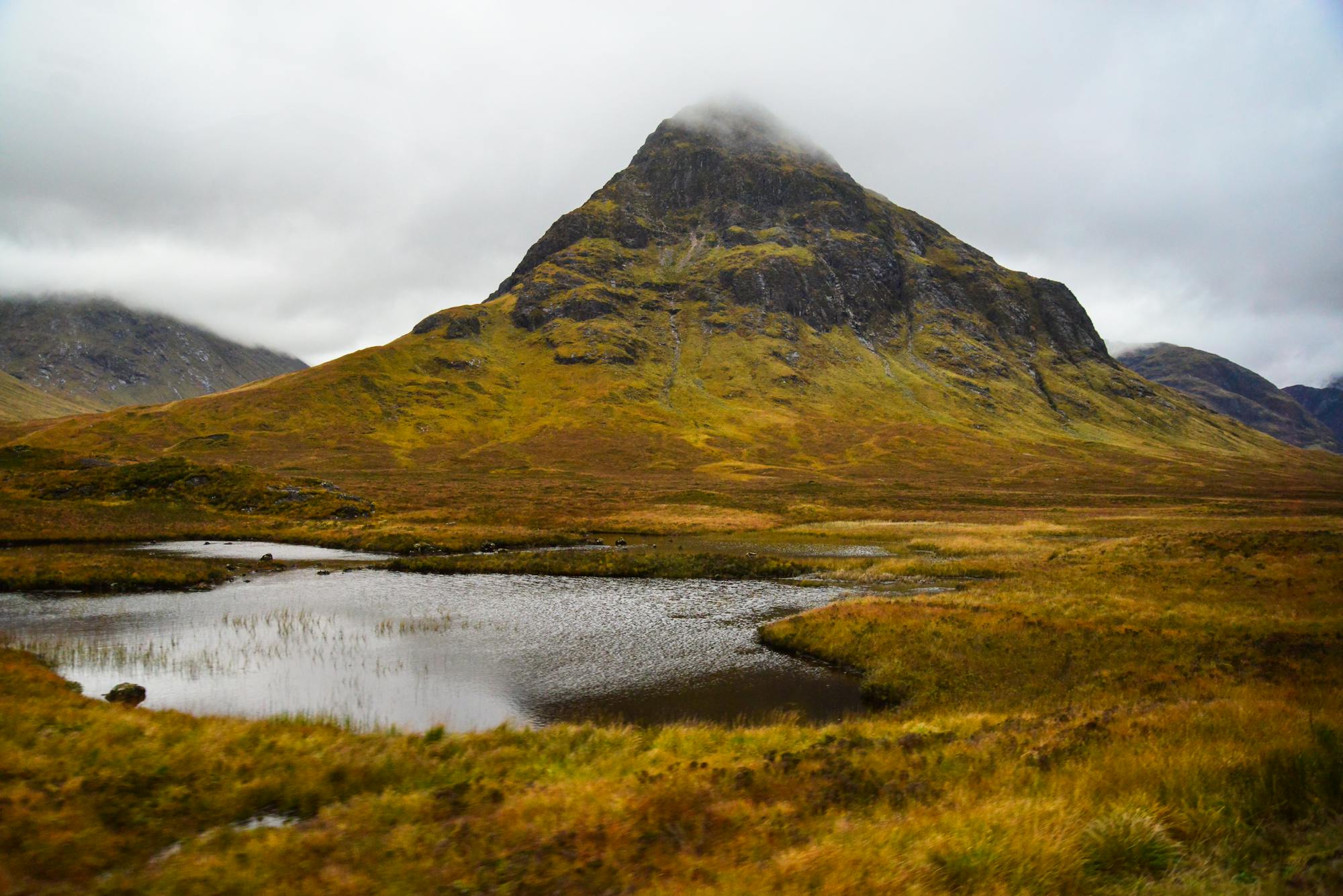
Autumn is Scotland's most atmospheric season. The Glorious Twelfth (August 12) opens the grouse shooting season, but September and October see the Highland landscape transformed by golden bracken, russet heather, and fiery birch trees. The Highland stag rut (September–October) is one of Britain's great wildlife spectacles — red deer stags bellow and clash antlers across Highland glens. Whisky distilleries host their most important events in autumn — the Spirit of Speyside Whisky Festival runs in October, and many distilleries open special tours during the annual autumn open doors events. Crowds thin rapidly after the Edinburgh Festival ends in late August, making September one of the finest months and a best time to visit, as early fall brings mild weather and fewer crowds. Weather remains reasonable (12–18°C) and prices drop significantly, though September can also be the wettest month, so expect some rain despite the appeal of the season. By mid-October, and especially in late October, many tourist attractions begin shorter opening schedules or limited hours. St Andrew's Day on November 30 brings later-season celebrations of Scottish culture, with Gaelic traditions and the Gaelic language often part of the atmosphere and autumn heritage. The Isle of Skye in October, with its autumn-coloured hillsides and dramatically moody skies, is extraordinary. Loch Ness is another iconic autumn stop, especially for scenic views or a calmer cruise after the peak crowds.
Winter (December–February) and Burns Night
Scotland's winter is raw, dark, and magnificently atmospheric, with the shortest daylight hours of the year, especially in December. Edinburgh's Christmas celebrations — German market on Princes Street, ice rink beneath the Scott Monument, and the Hogmanay New Year street party — are among the UK's finest. Hogmanay (31 December) in Edinburgh is a world-famous street celebration with fireworks over the castle and traditional first-footing customs. Burns Night on January 25 honors Robert Burns and is another key winter cultural date. For outdoor enthusiasts, skiing at Cairngorm Mountain, Glenshee, Glencoe Mountain, and Nevis Range provides genuine winter sport in breathtaking Highland settings, though ski areas can begin closing by April and snow conditions vary significantly; January temperatures in eastern Scotland hover around freezing. January is also ideal for winter hikes in the Highlands, while February brings cross country skiing and snowshoeing opportunities in mountainous areas, making this a rewarding time to visit if you enjoy cold-weather landscapes. The best chance to see the Northern Lights (aurora borealis) is in winter from the Orkney or Shetland Islands or along the north coast — clear, dark nights between October and March are optimal, and crisp sunny days can brighten a winter trip. Winter wildlife watching for red deer, mountain hares in white winter coats, and ptarmigan is spectacular. February also brings the Snowdrop Festival, offering a gentler seasonal event alongside snow sports and another best time to visit Scotland moment for quieter winter travel.
Shoulder Season Tips
The best time to visit Scotland is usually May and September, without question, as Scottish tourism patterns make both months a sweet spot for seasonal access and lighter crowds. In May, the landscape is bright green, waterfalls are full from winter snowmelt, daylight is extremely long, midges haven't peaked, and prices are moderate; weather-wise, it's a good compromise with long days and fewer crowds than the summer peak, and while April is typically the driest month in Edinburgh, late spring often carries that advantage forward. If you're aiming for the shoulder season, start planning early for the best stays and timed-entry sights. In September, the Highland landscape is at its most colourful, wildlife is active (deer rut, autumn seabirds), whisky events are running, and early fall often keeps conditions mild while helping you avoid the busiest time. Both months typically see accommodation prices 20–30% below July–August peak. Shoulder season is excellent for a trip, but sought-after accommodation and popular attractions still often need advance booking. Avoid August in Edinburgh unless attending the Festival — it's expensive, crowded, and chaotic. For the Outer Hebrides (Lewis, Harris, Uist), with the Inner Hebrides as a quieter island alternative, June and early July before the main midge season offers the best time combination of long evenings, warm(ish) weather, and relative solitude on some of Europe's finest beaches. Many travellers use these shoulder months to plan a next visit around a different season's events. For quick trip ideas, pick May for gardens, long-day road trips, and lower midge risk, or September for autumn colour, wildlife, and harvest-season distillery visits.