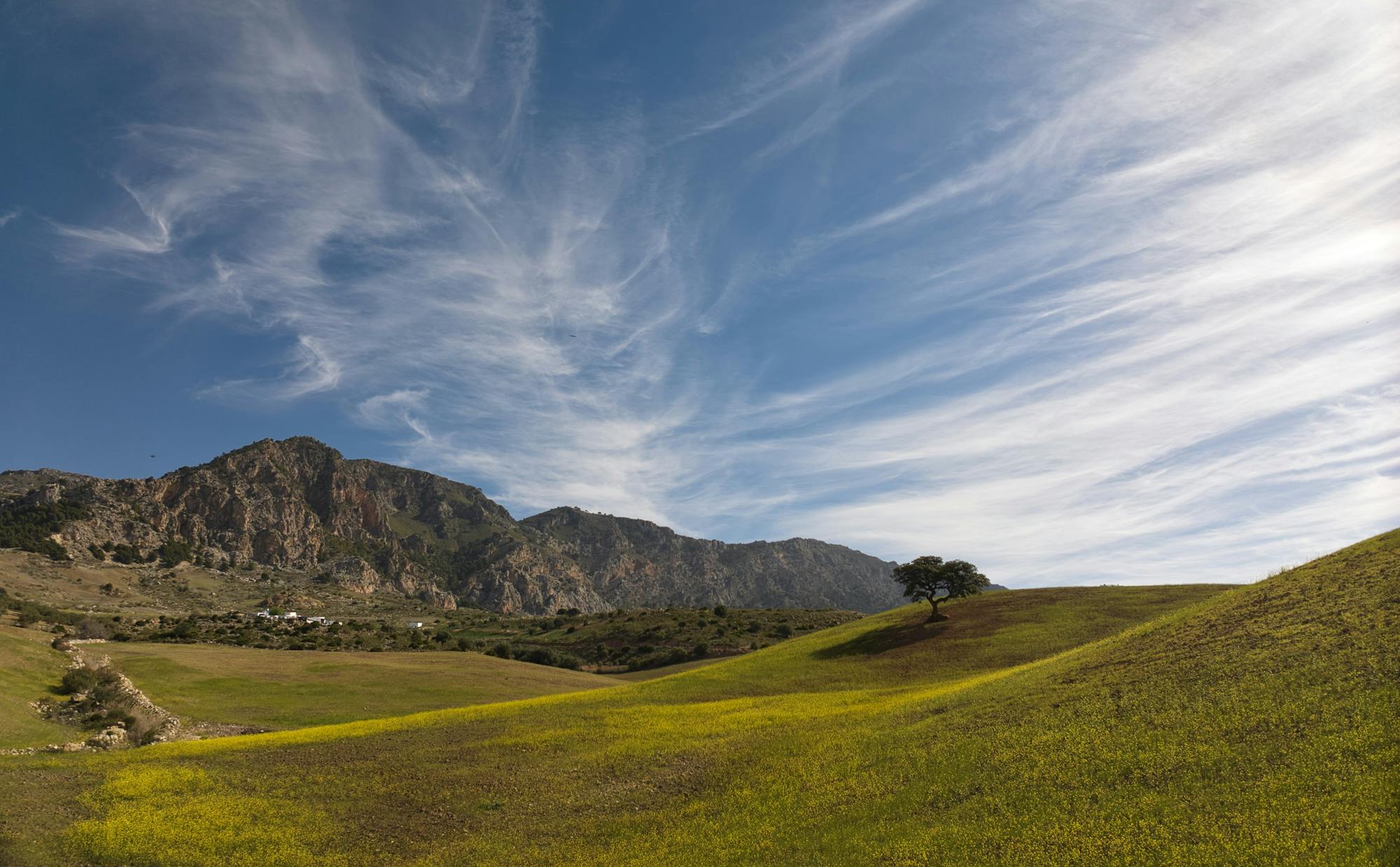
Spain's climate varies dramatically by region, making timing crucial for your experience. For the mainland cities and cultural highlights, March to May and September to November are the prime travel windows — warm, uncrowded, and excellent value. The Mediterranean and Atlantic coasts peak in summer for beach holidays.
Best Time to Visit Spain: Spring (March–May)
Spring is arguably one of the best time to visit Spain, especially in late spring, when the shoulder seasons bring great weather and thinner tourist crowds. Andalusia in April and May is breathtaking — orange blossom perfumes the air in Seville's narrow streets, wildflowers blanket the hills around Granada, and southern Spain is often best visited in spring or fall because summer heat can be excessive there. Average daily highs in these months are typically around 19°C to 26°C, which makes sightseeing and outdoor activities especially pleasant before the intense heat of summer if you plan to visit Spain then. Semana Santa (Easter Holy Week) is Spain's most spectacular festival — Seville's deeply moving candlelit processions with ornate floats (pasos) are extraordinary, though accommodation books up a year ahead. Las Fallas in Valencia (March 15–19) sees weeks of pyrotechnic displays climaxing in the burning of hundreds of giant papier-mâché sculptures — one of Europe's most extraordinary street festivals. Seville's Feria de Abril (April Fair), held two weeks after Easter, fills the city with flamenco, horse riding, and all-night dancing in decorated marquees (casetas). Madrid's Fiesta de San Isidro in May is another major spring celebration. The Canary Islands offer consistent 22–24°C spring weather as a European escape from winter.
Summer (June–August): Best Time to Visit
Summer is the high season across Spain, bringing warm weather, high demand, and large crowds to beaches and major cities. The Mediterranean coast (Costa Brava, Costa Dorada, Costa del Sol, Balearic Islands) delivers reliably hot, sunny beach weather — Málaga averages 30°C in July and about 79.7°F in August, while Palma de Mallorca reaches 28°C, and coastal areas are usually easier to handle than the inland heat. Barcelona is warm and lively with a summer festival season including Sónar (electronic music) in June and Festa Major de Gràcia in August.
However, inland cities suffer during the summer months — Madrid, Seville, and Toledo can hit 38–42°C in July and August, making afternoon sightseeing genuinely punishing. By contrast, northern Spain is cooler in summer, with average August temperatures around 70.9°F. The Spanish tradition of the afternoon siesta makes sense in summer — follow it on your trip, and explore in the cooler mornings and evenings. Many locals take holidays in August, so availability can tighten in popular beach towns and some city services may shift.
The Running of the Bulls (San Fermín) in Pamplona takes place July 6–14 — a globally famous, controversial festival that fills the city completely. La Tomatina is celebrated in August near Valencia.
Autumn (September–November, Early Autumn)
Autumn is one of the best time periods for the best time to visit spain, especially early autumn, thanks to good weather and fewer crowds across much of the country. September brings warm sea temperatures (24–26°C on the Mediterranean), and in Valencia temperatures average around 23.2°C, making it an ideal time to visit if you want to avoid crowds while still enjoying pleasant weather and outdoor dining. La Rioja's grape harvest in September–October is celebrated with wine festivals (La Batalla del Vino in Haro is particularly famous, held in June). Madrid in October is superb — the city's cultural season opens with world-class theatre, museum exhibitions, and a return to normal Madrileño life after the August exodus. Catalonia in October offers autumn colour in the Pyrenees, mushroom (bolet) season in the forests, and the best conditions for hiking the Costa Brava's coastal paths without summer crowds, though Barcelona typically sees its wettest month then, with about 3.9 inches of rain. November brings Todos Santos (All Saints' Day) celebrations and the arrival of olive harvest season in Jaén, the world's largest olive oil producing region.
Winter (December–February, Off Season)
Winter is ideal for the Canary Islands — and Spain can be visited year round, though the winter months suit some regions better than others. Gran Canaria, Tenerife, and Lanzarote offer 20–22°C and consistent sunshine from December through February, making them among Europe's finest winter sun destinations. The Costa del Sol enjoys about 325 days of sunshine a year and attracts winter sun seekers, especially northern Europeans.
Mainland Spain's cities are cold but culturally rich in winter, and January and February are considered low season; they can be too cold in some areas, but they are good months to avoid crowds. Winter from November to March is best for budget travel, with fewer tourists and great deals in many destinations. Madrid's Christmas is wonderful — the Puerta del Sol countdown, the Rastro flea market in festive mode, and the Prado Museum without summer queues. Barcelona's Gothic Quarter in December, with its Christmas market in front of the cathedral, is beautiful. This is also the low season for many mainland destinations.
Skiing opens in the ski resorts of the Pyrenees (Baqueira-Beret, Grandvalira) and the Sierra Nevada near Granada — uniquely, you can ski in the morning and be on a Granada or Seville beach terrace in the afternoon. The Alhambra in winter snow is otherworldly.
Shoulder Season Tips
The definitive sweet spots — the shoulder seasons of April to early June and September to October — are the best time to visit Spain. In April–May, Andalusia is in magnificent bloom, festival season is in full swing, and temperatures are pleasant for sightseeing, with fewer crowds than peak summer if you want to avoid crowds without giving up good weather. September is the most underrated month in Spain — ideal if you're deciding the time to visit Spain for beach days and outdoor dining, with southern regions still warm while inland areas become far more manageable, and it is considerably cheaper than August, with the authentic rhythm of Spanish life returned after the tourist peak. For Madrid and Barcelona specifically, October and November offer the best combination of cool walking weather, a full cultural calendar, and easier access to historic landmarks such as La Sagrada Familia, along with the best hotel availability and prices. Avoid all major Spanish cities at Easter and during local fiestas unless attending them is your primary purpose — accommodation becomes scarce and expensive, so the off season is the better alternative for lower prices and a calmer trip.