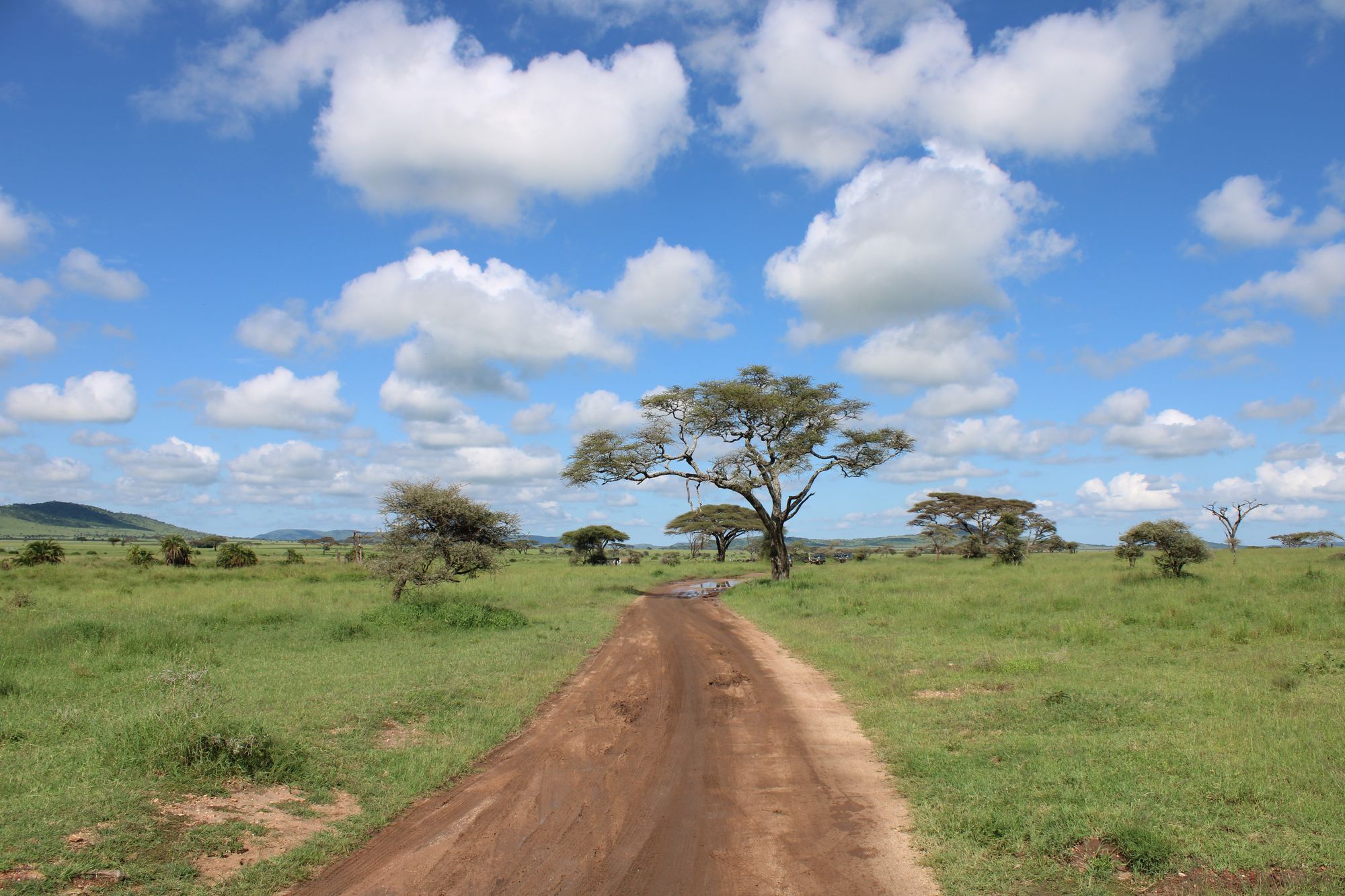
The best time to visit Tanzania depends on what you most want to experience. For the Great Wildebeest Migration river crossings, visit the northern Serengeti between July and October. For the calving season spectacle, head to the southern Serengeti in January and February.
The best time to visit Tanzania depends on what you most want to experience. For the Great Wildebeest Migration river crossings, visit the northern Serengeti between July and October. For the calving season spectacle, head to the southern Serengeti in January and February.
Best Time to Visit Tanzania: July to October Peak Dry Season
Tanzania's peak safari season runs July through October — the long dry season when the great migration moves through the western Serengeti toward the Grumeti River before reaching the northern Serengeti and Masai Mara for the famous Mara River crossings. The central Serengeti also offers reliable wildlife sightings at this time and is a classic base for a hot air balloon safari. This is the optimal period for wildlife viewing across Tanzania's national parks: vegetation thins, animals concentrate around water, and predator activity is intense. Ngorongoro Crater is at its most impressive, and this is also the classic northern circuit route through Serengeti National Park and Ngorongoro Crater in Northern Tanzania. Mountain Kilimanjaro climbing conditions are also best July–October (before the October short rains begin). Book all accommodation 9–12 months in advance for this period and the Christmas period, when many lodges fill quickly.
January to February: Calving Season and Great Migration
January and February are often the best time to visit Tanzania for calving season, when the southern Serengeti around the Ndutu Plains sees approximately 500,000 wildebeest calves born within a 2–3 week period. The concentration of newborn animals and wildebeest herds creates stronger predator action as part of this natural spectacle — cheetahs, lions, leopards, and hyenas all capitalise on the abundance of vulnerable calves. This is arguably the best time for predator interactions in Tanzania, and the Ndutu area is less crowded than the northern Serengeti peak season. January is also excellent for Zanzibar — clear skies, warm sea, and minimal rainfall — and January to February also suits bird watching because migratory birds are present on the lush green plains.
Green and Dry Season (November–June): Value and Birding
The "green season" (also called the low season) runs November through June and covers Tanzania’s rainy season, divided into the short rainy season, or short wet season, from November to around mid December and the long rainy season from March to May. The green season offers compelling advantages: 30–50% lower rates, much smaller crowds at major sites, lush green landscapes, dramatic skies, and exceptional birding as migratory species arrive, making it a strong time for bird watching. April and May are the wettest months — dense vegetation and rains tend to make roads muddier and game viewing more challenging — but the landscape is extraordinarily beautiful. Fewer visitors can also make this a fantastic safari period in lesser visited parks and the southern parks, including Nyerere National Park and the Selous Game Reserve. November and December are often good value with reliable weather and minimal disruption.
Zanzibar and Indian Ocean Islands Seasons
For beach planning, the best time to visit Tanzania includes Zanzibar’s prime seasons of June to October (long dry season) and December to February (short dry season). The Zanzibar archipelago and other Indian Ocean islands are ideal island getaways to pair with a safari in East Africa. These periods offer clear skies, good diving visibility, minimal rainfall, and from November to March, chances to spot whale sharks. March–May is Zanzibar’s wettest period, when rain showers are more frequent in the rainy season and many beach resorts close or reduce operations, while November to March still brings warm daytime temperatures during the short wet season. The northeast monsoon (November to March) brings sailing dhows into Stone Town harbour and is the traditional trading season celebrated in Swahili culture.
Mount Kilimanjaro
Many travelers visit Tanzania for a combined safari-and-trek itinerary, and Kilimanjaro is climbable year-round, but the best summit weather occurs in two windows: January–February (clear and cold) and June–October (dry season). March–May and November–December bring the highest precipitation and cloud cover on the mountain, reducing summit success rates and making conditions more uncomfortable. The peak months of July–August for the Serengeti overlap with excellent Kilimanjaro conditions, making a combined Tanzania itinerary — safari and summit — very achievable in a 2–3 week trip, with safari vehicles also moving more easily in the dry season and Northern Tanzania parks such as Tarangire National Park, Lake Manyara, and Arusha National Park serving as easy additions to a Kilimanjaro trip.