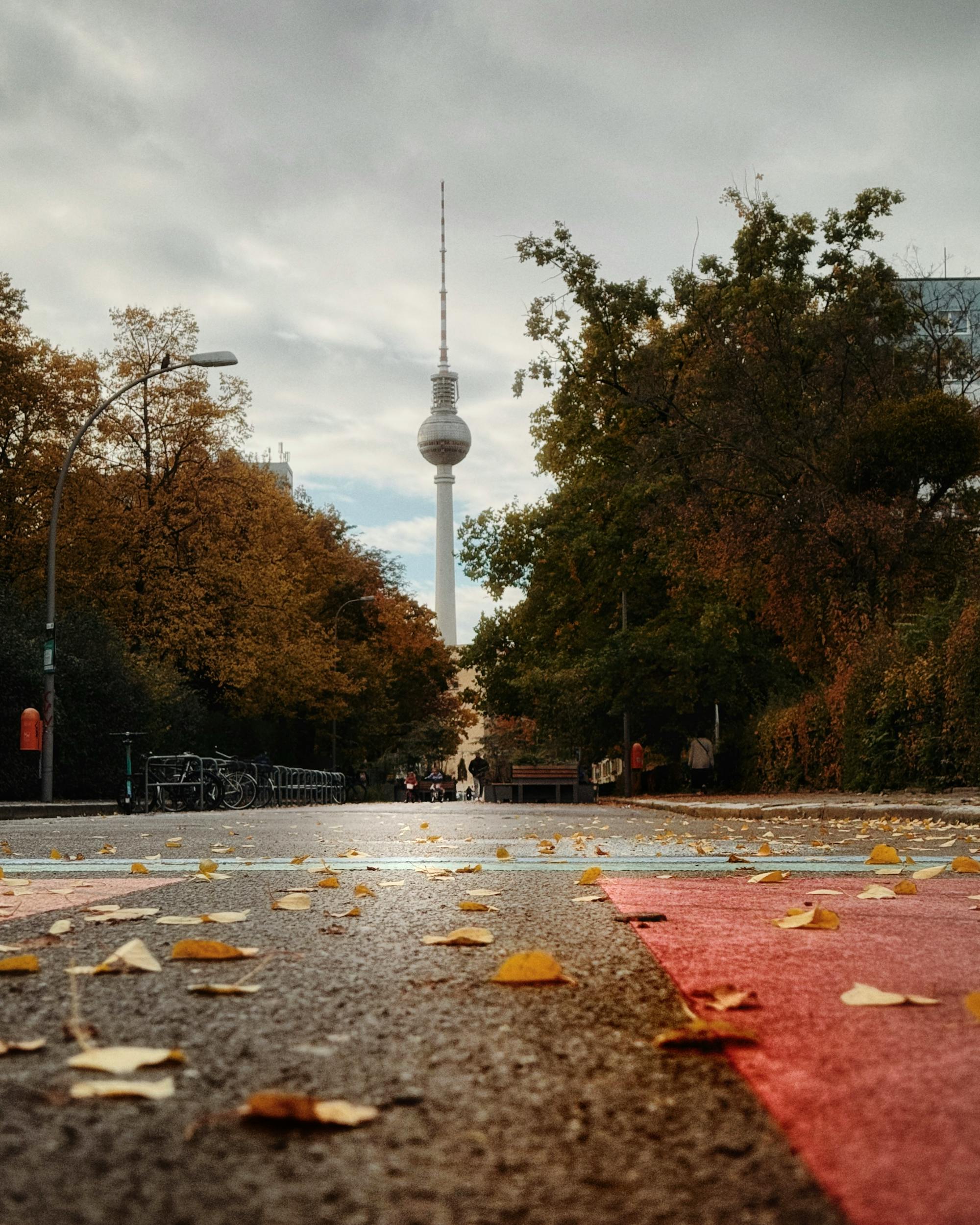
The best time to visit Berlin is May through September for warm weather, outdoor events, and long evenings, or late November through December for Berlin's renowned Christmas markets. Spring and early autumn balance good weather with manageable crowd levels.
Best Time to Visit Berlin
The best time to visit Berlin depends on your travel date and whether you want sightseeing, outdoor activities, a major festival, or budget-friendly hotels in the city.
Spring runs from March to May and is a great time to visit Berlin, with pleasant weather, a cool local vibe, and warm temperatures for walking the sights and parks. At the beginning of spring, temperatures tend to be mild, with an average temperature of 15 to 25 degrees Celsius, but April can still bring rain, snow, or hail, so don't forget a warm layer.
Summer is the best season for sightseeing, and from May to September the weather is usually best across Berlin and Germany. June to August is the perfect opportunity for outdoor activities, and summer is the high season as well as Berlin's peak outdoor tourism season. Summer temperatures typically range from 68° F to 86° F, and on hot days temperatures can reach 30 degrees Celsius with plenty of sunshine and sun. Locals fill parks and lakes, beer gardens come to life, and the streets host fun street festivals and open-air concerts, with peaks in June and July. If you plan an early summer or August trip, book hotels in advance because hotel rates rise in high season.
For cultural life, late May brings Carnaval de Culture, a public holiday period known for its multicultural energy and German street celebrations. In June, Fête de la Musique fills the night with hundreds of free concerts. In July, Berlin Pride, also called Christopher Street Day, draws many visitors.
Fall is another great time, especially in September, when warm weather and colorful foliage make sightseeing easy. For cultural experiences, May, September, and October are the strongest months. In mid September, Berlin Art Week showcases exhibitions and museums across the city. In October, the Festival of Lights brightens major landmarks, including sights around Brandenburg Gate.
Winter is colder, with shorter days, and January is often the coldest month. Average high temperatures in January are around 3 degrees Celsius, and winter lows can fall to -10 degrees Celsius, so conditions can feel freezing, cold, and wet. November and January are the best months for budget travel, with lower accommodation prices, the cheapest hotel rates, and fewer visitors at museums. By late November, Berlin's Christmas markets open and the festive spirit begins; December is especially known for traditional Christmas markets, Christmas charm, and mulled wine.