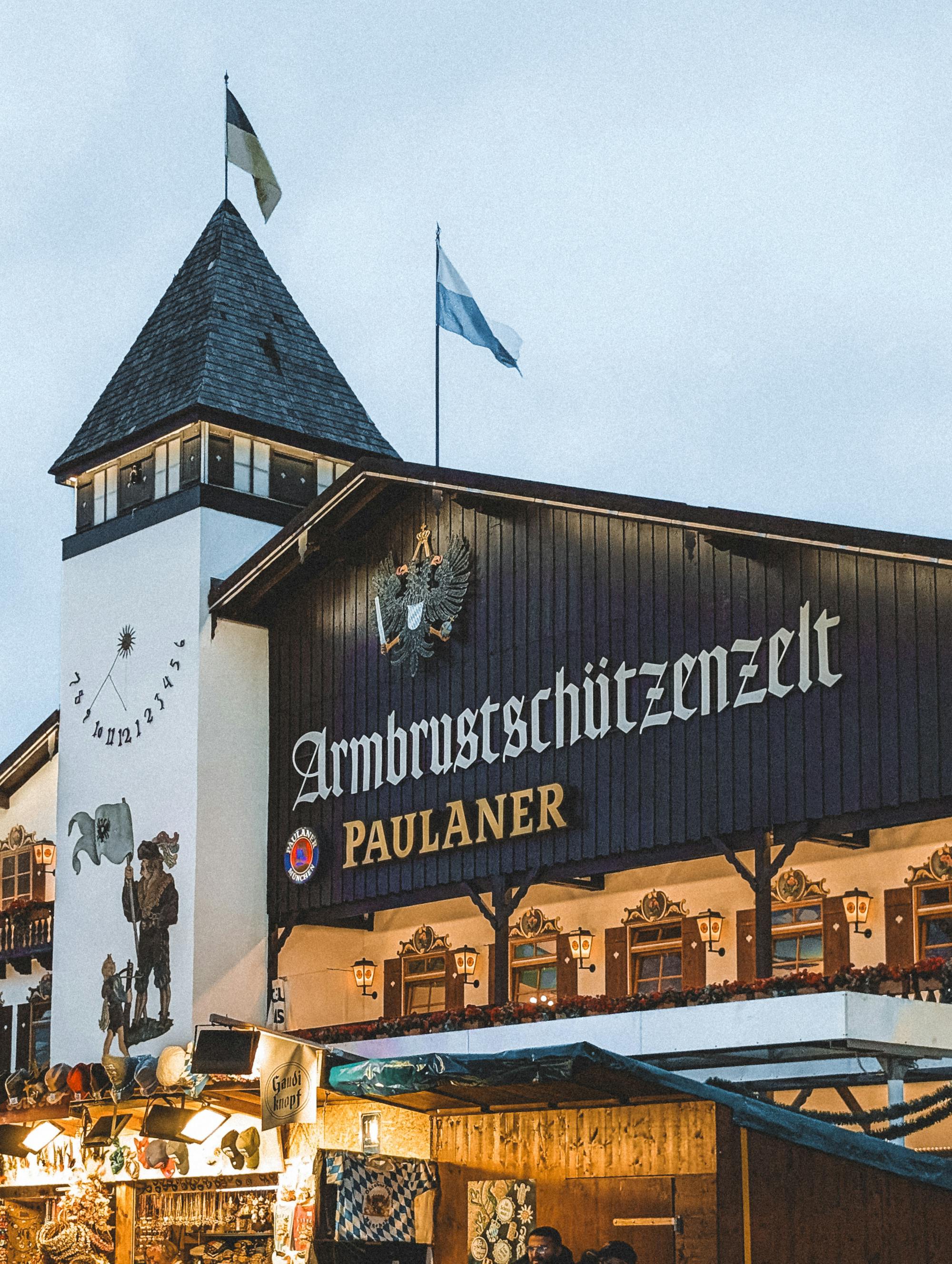
The best time to visit Munich is May through September for beer garden culture, outdoor festivals, and warm weather, or late September to early October specifically for Oktoberfest. Christmas market season (late November to Christmas Eve) is magical.
- Best time to visit: May through September — or late September to early October for Oktoberfest
Best Time to Visit Munich
Munich is worth visiting year round, and the best time depends on the season, your budget, crowd tolerance, and the weather you want for your trip. This Bavarian city in Germany is one of the easiest places in Europe to explore, whether you want landmark sightseeing at the new town hall and historic town hall, park time, or major festivals that draw visitors from around the world. The city welcomes travelers in every part of the year, so choosing the right time comes down to how you want to experience local life in this beautiful town.
Spring is a smart shoulder season choice. March starts to shake off the cold, and from April into May you usually get favorable weather, fewer crowds, and a good balance for sightseeing. Late April to early May is especially good for local events, including the spring festival known as Frühlingsfest, which gives visitors a more relaxed Bavarian feel that many locals enjoy. May is one of the best times to explore Munich, with average temperatures that feel comfortable, gardens around Nymphenburg Palace in full bloom, and the English Garden and Englischer Garten showing off the city's green spaces before peak tourist season.
The summer months, especially June through August, are the warmest months and best for outdoor activities. June often marks the start of the busiest summer months, when outdoor festivals, open air concerts, and street events are in full swing, and the Tollwood Summer Festival adds music and international cuisine. In August, the days are typically warm, though not every hotel has air conditioning, so plan accordingly if you are sensitive to heat. This is also the best time to enjoy beer gardens, outdoor beer gardens, and beer halls, or head to the Isar River for swimming and picnicking; Olympic Park is another good stop for walks, events, and summer day trips around the city.
For many travelers, autumn is the answer. Early fall brings crisp weather, and September is widely the best month to experience Oktoberfest, which begins in late September and ends in early October at Theresienwiese in Munich. The festival attracts millions of visitors each year, with famous beer tents and a festive atmosphere that makes it one of the top events in the world. If you want the celebration without the very latest surge, early September can be more budget-friendly, while avoiding Oktoberfest altogether is the best way to keep accommodation costs down, since hotel prices can triple during the festival.
November starts the quieter winter stretch, and the Christmas Markets open in late November and run through Christmas Eve, making December the most festive month; the main Christmas market fills the center with lights and mulled wine. Temperatures in December usually range from -2°C to 4°C, and rain can mix with snow during these winter months, giving Munich the feel of snowy winters. If you visit then, dress warmly and expect shorter days, but also a cozy atmosphere. Seasonal activities include ice skating at Karlsplatz and Olympic Park, plus winter sports and cross country skiing options, while January is also popular for skiing day trips to the Bavarian Alps. January usually brings lower accommodation prices because there are fewer tourists, and February is often the cheapest month to visit, with significantly lower rates and Fasching carnival events before Lent.
If you want the simplest recommendation, go in May to June for pleasant weather and lighter crowds, choose September for Oktoberfest, or pick December for festive markets. Those windows give most travelers the best mix of sightseeing, atmosphere, and value depending on the kind of trip they want.