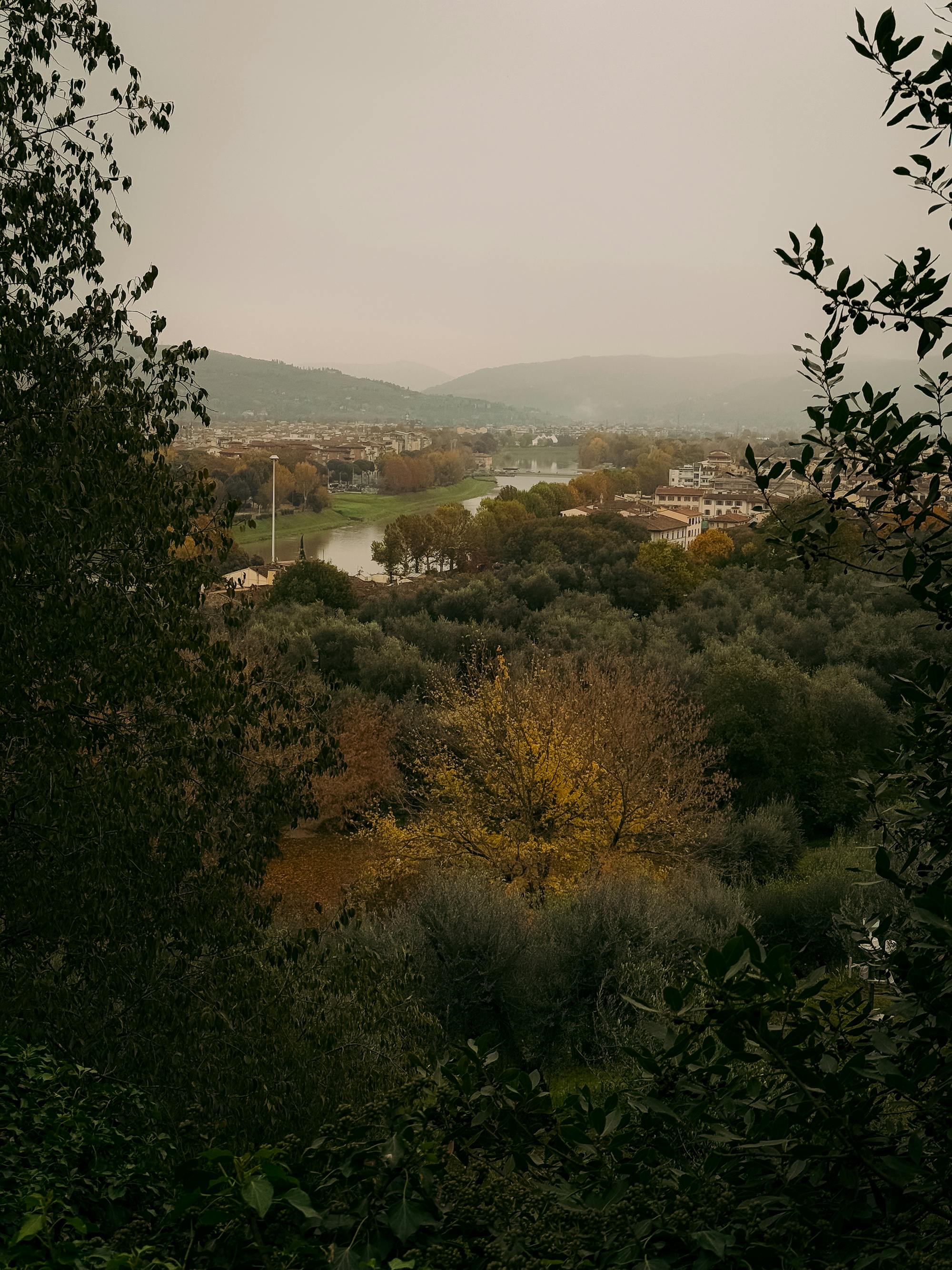
Florence has a Mediterranean climate with warm, dry summers and cool winters — but its position in the Arno valley means summers can be surprisingly hot and humid, and winters can be grey and damp. The best months to visit are April, May, September, and October — comfortable temperatures, beautiful light, and the Tuscany countryside at its most photogenic.
Florence has a Mediterranean climate with warm, dry summers and cool winters — but its position in the Arno valley means summers can be surprisingly hot and humid, and winters can be grey and damp. The best months to visit are April, May, September, and October — comfortable temperatures, beautiful light, and the Tuscany countryside (vineyards, olive groves, cypress trees) at its most photogenic. Summer is very popular but hot and crowded; winter is quiet and atmospheric but cold. Any season in Florence rewards art lovers — the museums are open year-round.
Best Time to Visit Florence: Seasonal Weather, Art Events, Crowd-Free Travel Tips – Spring in Florence (March–May)
Spring is often the best time to visit c florence, when milder weather makes seasonal sightseeing especially rewarding, the Arno valley starts warming up, wisteria begins to bloom on the palazzos, and the city's many cortile gardens come to life. March average temperature is around 12°C, with occasional showers; April average temperature is milder and often pleasant for walking, though rainy days still crop up before late May reaches about 22°C. Easter weekend and Holy Week bring significant crowds (Florentines celebrate with the famous Scoppio del Carro — the "Explosion of the Cart" in the Piazza del Duomo, a tradition since the 11th century), though much of spring still feels like shoulder season before late-May demand ramps up. By late April and May, the Tuscan hills are at their most verdant, the Boboli Gardens are spectacular, and the light for photography is extraordinary. The international handicrafts fair also adds a classic spring cultural draw rooted in Florentine artisan traditions. The spring season also brings the gardens into full bloom, with more sunny days for sightseeing and photos. Yellow mimosa flowers are closely associated with Festa della Donna and other spring customs in Italy. Museum queues are manageable in March–April but build significantly in late spring, especially in May around public holidays such as Labour Day, a national holiday in Italy. Florence's parks are especially appealing in spring for outdoor time and seasonal city life. Hotel prices are moderate to high in spring — book well ahead. Mid May usually signals busier late-spring conditions and higher demand.
Summer in Florence (June–August, High Season)
Summer is Florence's most popular and most demanding season, and the high season falls in the main summer months for tourism. June average temperature is around 28°C, July average temperature is around 32°C, and August average temperature is around 31°C, with July typically the hottest month and busiest month. The city is at its most crowded, with international travelers arriving in large numbers during school vacations. That said, Florence in summer also has an undeniable energy: June brings exciting events and local events across the city, and summer festivals include the Festival dei Popoli and the Estate Fiorentina. Italian Republic Day adds to the festive atmosphere early in the month. Summer also brings cultural outdoor activities and other outdoor events across the city. There’s outdoor cinema (Cinema all'Aperto), evening concerts in church courtyards, the Calcio Storico in June (Florence's historic football game in 16th-century costume, played in the Piazza Santa Croce — extraordinary to watch). Festa di San Giovanni is another major June celebration. Long evenings are also perfect for aperitivo on the Oltrarno terrace bars. To manage the summer heat, visit museums in the early morning or evening, rest in the afternoon, and dine late. Book museum tickets and accommodation months ahead.
Autumn in Florence (September–November, Shoulder Season)
Autumn is often the best time to visit Florence for most travellers. September still has summer warmth, with a September average temperature of 24–27°C, but as an early-autumn shoulder season period, crowds begin to thin after the first week of September. The Festa della Rificolona in September features a lantern procession. The Tuscan hills take on golden hues in October, the grape harvest (vendemmia) is underway during harvest season in the Chianti area and across the wider Tuscan countryside, white truffles from San Miniato and black truffles from Norcia appear on restaurant menus, and the quality of dining reaches its seasonal peak, often with freshly pressed olive oil in seasonal dishes. October, with an October average temperature of 18–22°C, usually brings good weather for exploring on foot — the Piazzale Michelangelo and the Belvedere Fort are magnificent in the autumn light. November brings cooler, occasionally rainy weather, with a November average temperature of 12–15°C, but as Florence edges toward the low season there are fewer tourists and a cosy, contemplative atmosphere that art lovers particularly appreciate. Autumn is also ideal for day trips beyond the city, and planning them during late summer can help avoid busy city centers in Florence. Hotel prices drop 20–30% from October — excellent value.
Winter in Florence (December–February)
Winter is Florence’s low season, quiet, atmospheric, and generally cold, with January usually the coldest month. December brings Christmas markets near the Duomo and Christmas events around Piazza del Duomo, including the Christmas tree, while the average temperature stays wintry and the February average temperature is typically around 5–11°C. January also brings the Cavalcata dei Magi, which features medieval costumes. The city's churches are decorated for the season — visiting them for free at Christmas is one of Florence's great pleasures. Winter also brings special events and occasional classical music performances near the Duomo, and along the arno river the winter atmosphere feels especially quiet, including at the Opera del Duomo. The Uffizi and Accademia have virtually no queues in January and February — you can walk straight in to see the David or Botticelli's Primavera without the summer crush, if you don’t mind the colder temperatures. The Oltrarno wine bars and trattorias are at their most convivial in winter. January and February are the cheapest months by far. The main drawback is occasional flooding of the Arno during heavy winter rains — the 1966 flood is still embedded in the city's memory, and while modern flood defences have significantly reduced risk along the river, street-level flooding of the Arno's banks can occur. Snow is rare, though light snow can occasionally fall before turning to rain.
Avoiding the Crowds
Book Uffizi and Accademia tickets online at least 2–3 weeks ahead in peak season (April–October), as this popular time to visit Florence makes same-day entry virtually impossible. Both museums have early-morning entry (8am) which is significantly quieter than midday. The Florence Duomo cupola climb is best booked for the first slot (8:30am) on a weekday. Florence’s compact layout also makes walking the best way to get around the historic center when you want to avoid the busiest areas. Some state museums also offer free entrance on select dates or the first Sunday of the month, so check current schedules. The Ponte Vecchio is at its most atmospheric before 9am and after 8pm — during the day it's one of Florence's most congested spots. The Oltrarno neighbourhood (particularly Piazza Santo Spirito and San Miniato al Monte church) are consistently less crowded than the north bank and offer some of the city's best views and food. For the ideal combination of weather, culture, and affordability, target late September or the first three weeks of October — just after high season and a better balance than the summer peak, making it an excellent time to visit for avoiding crowds and enjoying fewer crowds overall.