Uncover Italy's charm with top destinations that captivate every traveler. Plan an unforgettable journey filled with history, culture, and breathtaking sights.
Best Places to Visit in Italy: Top Travel Destinations and Sightseeing Tours

Italy is a treasure trove of history, culture, and breathtaking landscapes, making it one of the most sought-after travel destinations in the world. This article serves as a comprehensive guide to the best places to visit in Italy, highlighting must-see cities, stunning coastal towns, and iconic historical landmarks. Travelers often find themselves overwhelmed by the sheer number of options available, from the bustling streets of Rome to the serene beauty of the Amalfi Coast. By exploring this guide, you will discover essential insights into Italy's top attractions, cultural experiences, and practical travel tips to enhance your journey. We will delve into key cities, coastal gems, historical sites, and the best times to visit, ensuring you have all the information needed for an unforgettable Italian adventure.
Which Italian Cities Are Must-See Destinations?
Italy boasts a rich tapestry of cities, each offering unique experiences and attractions that are essential for any traveler. Among these, Rome, Florence, and Venice stand out as must-see destinations. These cities are not only steeped in history but also showcase Italy's artistic heritage and vibrant culture. Exploring these urban centers provides a glimpse into Italy's past and present, making them indispensable stops on your journey.
What Attractions Define Rome, Florence, and Venice?
Rome, the Eternal City, is a place of ancient history with iconic sights such as the Colosseum, which dates back to 70–80 AD, Vatican Museums, the Pantheon, and Vatican City. Each site tells a story of ancient civilization and artistic achievement, drawing millions of visitors each year. Florence, the cradle of the Renaissance, captivates with its stunning architecture, rich history, and Renaissance art, including the Uffizi Gallery and Brunelleschi's dome, with a legacy shaped by masters such as Leonardo da Vinci. Meanwhile, Venice enchants with its winding canals, gondola rides, and the majestic St. Mark's Basilica, offering a unique blend of history and romance across 118 islands connected by canals. The Grand Canal is one of its defining views, but beyond the main sights, quieter corners add just as much appeal. If you want ancient monuments, visit Rome first; if canal scenery is the priority, visit Venice first.
How to Experience Milan’s Urban and Fashion Highlights?
Milan, Italy's fashion capital, presents a different side of Italian culture, characterized by its modernity and style. The city's fashion districts, such as the famous Quadrilatero della Moda, are lined with luxury boutiques and designer stores. Visitors can also explore cultural landmarks like the Duomo, a stunning Gothic cathedral, and indulge in local dining experiences that reflect Milan's culinary diversity. This vibrant city is a must-visit for those looking to immerse themselves in contemporary Italian culture.
What Are the Best Italian Coastal Towns to Visit?
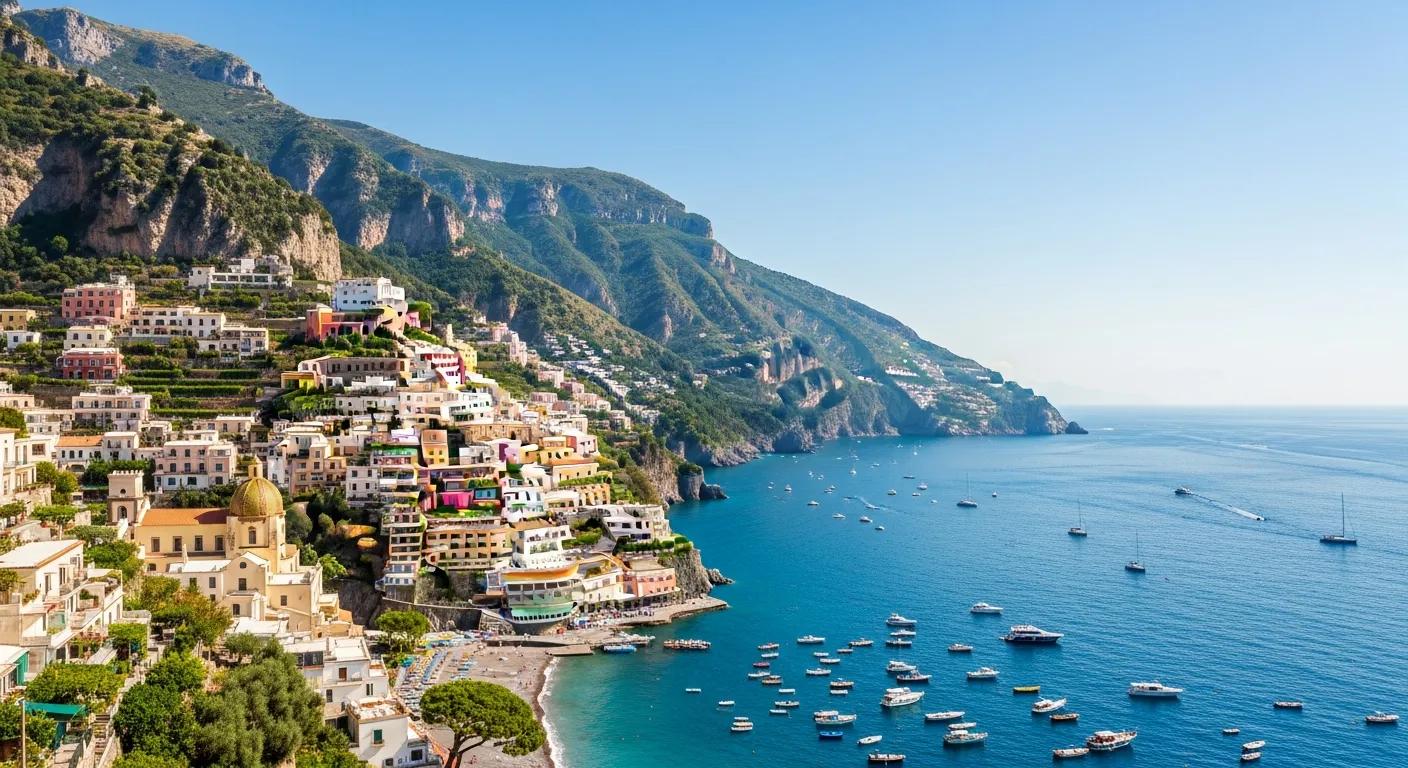
Italy's coastline is dotted with picturesque towns that offer stunning views and a relaxed atmosphere. The Amalfi Coast is perhaps the most famous, known for its dramatic cliffs and charming villages. Other coastal towns, such as Positano and Ravello, provide unique experiences that cater to both adventure seekers and those looking to unwind by the sea.
Why Choose the Amalfi Coast for Scenic Beauty and Relaxation?
The Amalfi Coast is renowned for its breathtaking landscapes, where colorful houses, lush gardens, and striking natural beauty define the scenery. Visitors can enjoy local culinary experiences, including fresh seafood and traditional Italian dishes, while taking in the stunning views. The sea breeze and sparkling blue waters add even more to the sensory appeal. Activities such as hiking along the Path of the Gods or taking boat tours to explore hidden coves, or simply sipping coffee in a scenic village, further enhance the appeal of this coastal paradise.
Further research highlights the potential for sustainable and creative tourism development in this iconic region.
Creative & Sustainable Tourism on the Amalfi Coast
ABSTRACT: AbstractIn recent years creativity has become a resource not only in relation to artistic and cultural activities but also in terms of economic growth and development of tourism enterprises and geographical regions. This has determined the diffusion of creative tourism based on principles of sustainability. However, debate on the issue – above all in Italy – is still ongoing as concerns definitions in line with scientific literature. Our research attempts to show that the foundations for the success of this kind of tourism lies in the consolidating of the local economy based on creativity in a systems logic. To this aim a case study on the Amalfi Coast area (Salerno) is presented providing a framework of the characteristics and creative potential in terms of tourism in order to highlight both the dynamics in act and the most significant elements for the construction of acreative ambience. Our study concludes however, that such a model cannot be considered merely a solution for all ills
A systems approach to local territory as a driver for creative tourism development on the Amalfi coast, 2007
Which Other Coastal Towns Offer Unique Experiences?
Beyond the Amalfi Coast, towns like Capri and Cinque Terre offer their own unique charm. Capri is a beautiful island known for its upscale shopping, the stunning Blue Grotto, and crystal clear waters, while Cinque Terre is a UNESCO World Heritage site made up of five cliffside villages, with colorful homes, terraced vineyards, and hiking trails. Cinque Terre National Park covers about 40 km². Sardinia, the second largest island in the Mediterranean, is another standout for travelers seeking white-sand beaches and clear, bright water. Puglia’s coast is equally compelling, with ancient olive groves, turquoise waters, and the rugged coastal scenery of Gargano. Each town presents opportunities for relaxation, adventure, and cultural immersion, making them worthwhile additions to any Italian itinerary.
How Can Travelers Explore Italy’s Historical Landmarks Effectively?

Exploring Italy's historical landmarks requires careful planning, and sites such as the Colosseum, Pompeii, and the Leaning Tower of Pisa reveal Italy’s rich history. Key sites range from world-famous monuments to Roman ruins that deepen the sense of place. To make the most of your visits, consider guided tours, which are especially useful for day trip planning between major historical sites.
Technological innovations, such as video guides, are increasingly being used to enrich these cultural heritage experiences.
Rome Museum Video Guides: Enhancing Cultural Heritage Tours
In recent years, the cultural sector has been going through an intense period of development, in which new considerations on different and fresh ways of displaying and narrating objects and events from the past are intertwined with suggestions from studies on culture, tourism and ICT. The use of new technologies for the enjoyment of cultural experiences becomes important when it is necessary to follow co-creation principles, especially when allied to the added value perceived by users in cultural environments. Video guides represent a reliable tool that can assist a museum visit, making it more cognitively and physically enjoyable.
The video guides at the Musei Civici in Rome: an example of technological innovation in touristic cultural heritage experiences, 2019
What Guided Tours Cover Italy’s Iconic Cultural Heritage?
Guided tours are an excellent way to delve into Italy's cultural heritage. Many tours focus on specific themes, such as art, history, or local cuisine, allowing travelers to tailor their experiences. Popular options include tours of the Vatican in Vatican City, wine tasting in Tuscany paired with a driving tour through the surrounding countryside, known for rolling hills and wine regions and covering about 23,000 km², and explorations of ancient ruins. In Northern Italy, the Italian Lake District includes Lake Garda and Lake Como. Also known as Lago di Como, it spans about 146 km² and is prized for grand villas and botanical gardens set against the Italian Alps. These curated experiences enhance understanding and appreciation of Italy's rich cultural landscape.
How to Plan Visits to Regional Festivals and Cultural Events?
Italy is famous for its vibrant festivals and cultural events, which offer a glimpse into local traditions and customs. Festivals and food traditions are also a major reason to explore southern italy. Major festivals, such as Venice's Carnival and Siena's Palio, attract visitors from around the world, while regional traditions include Naples, the birthplace of pizza. Puglia is famous for orecchiette pasta and fresh burrata cheese. Sicily offers a unique blend of Arab-Norman cuisine, and its local fairs also reflect slow food traditions. Planning visits around these events can enrich your travel experience, providing opportunities to engage with local culture and festivities.
What Practical Tips Enhance Travel Planning in Italy?
When planning a trip to Italy, several practical tips can enhance your experience. Understanding local customs, transportation options, and how access to a train station can simplify travel between major cities and regions can make your journey smoother and more enjoyable. For a long weekend, Northern Italy pairs scenic lakes with the Dolomites, which span about 15,900 km², and Cortina d'Ampezzo is one of its best-known ski resorts. Outdoor-focused travelers can also consider Gran Paradiso National Park, which has more than 500 km of marked trails. Additionally, knowing the best times to visit can help you avoid crowds and enjoy a more authentic experience.
When Is the Best Time to Visit Italy for Sightseeing and Tours?
The best times to visit Italy for sightseeing and tours are during the spring (April to June) and fall (September to October), when mild weather helps travelers avoid summer crowds. Easter weekend can bring heavier crowds and higher prices in major destinations. These seasons offer fewer crowds and vibrant local events. Spring brings blooming flowers and lively festivals, while fall showcases the harvest season and stunning autumn colors. Travelers can enjoy pleasant temperatures and a more relaxed atmosphere during these periods.
How to Choose Accommodations and Book Tours Securely?
Selecting the right accommodations and booking tours securely are crucial aspects of travel planning. Look for reputable hotels or vacation rentals that offer good reviews and convenient locations, ideally in the historic center or old town for walkable access to the main sights. For distinctive overnight bases, consider san gimignano for medieval charm, Civita di Bagnoregio known as the "Dying City," or Matera for its ancient cave dwellings carved into rock. Umbria, often called the "Green Heart of Italy," is a smart pick for quieter stays in mainland italy. If you're planning a coastal base, the adriatic coast offers a different feel from the west coast. Adventurous travelers in Sicily can stay near active volcanoes, while Sardinia is also incredibly beautiful inland around its mountain villages. When booking tours, ensure that you choose established providers with transparent policies and secure payment options. This approach will help you enjoy your Italian adventure with peace of mind.
Travel Ninja specializes in providing curated travel experiences, ensuring that your journey through Italy is both memorable and seamless. With a focus on quality and customer satisfaction, you can trust that your accommodations and tours will enhance your exploration of this beautiful country.