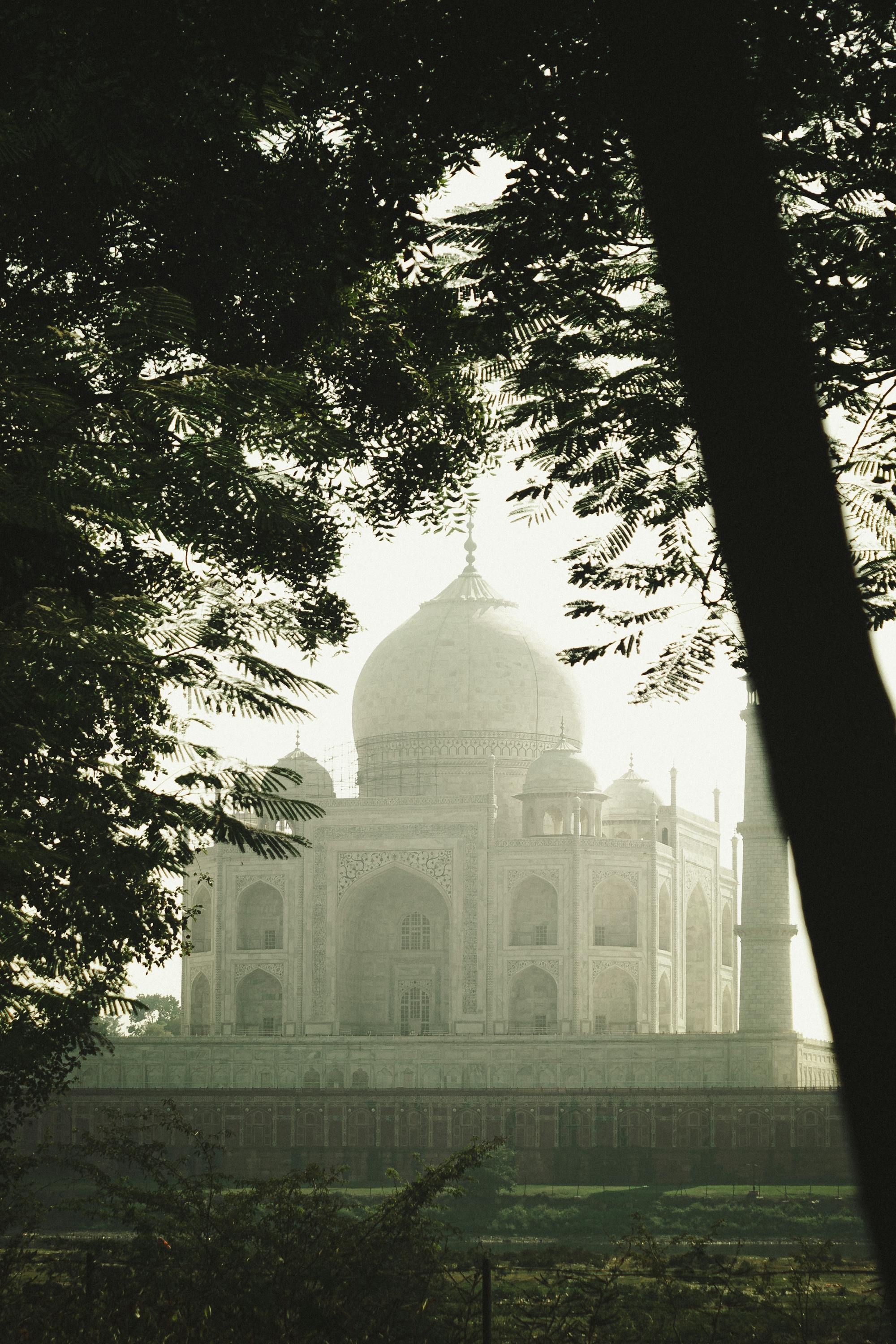
India's best time to visit varies dramatically by region, and understanding these variations is essential for planning a successful trip. For northern India — Delhi, Agra, Rajasthan, and the Himalayan foothills — the optimal window is October to March, when temperatures are comfortable and the Monsoon has withdrawn.
India's best time to visit varies dramatically by region, and understanding these variations is essential for planning a successful trip. For northern India — Delhi, Agra, Rajasthan, and the Himalayan foothills — the optimal window is October to March, when temperatures are comfortable and the Monsoon has withdrawn. October to November and February to March are the sweet spots: mild temperatures, clear skies, and manageable crowds. December and January are the coolest months (Rajasthan nights can drop to 5°C) but offer the best conditions for sightseeing at major outdoor monuments like the Taj Mahal, Amber Fort, and Jaisalmer. The Pushkar Camel Fair (November) and Jaipur Literature Festival (January) fall within this ideal window.
South India has a different rhythm. Kerala, Tamil Nadu, and Karnataka benefit from two monsoon seasons — the southwest monsoon (June to September) and the northeast monsoon (October to December on the eastern coast). The best time for Kerala's backwaters and hill stations is December to February, when the post-monsoon landscape is brilliantly green and temperatures are cooler. The Onam festival in August/September is Kerala's most spectacular cultural celebration. For Goa, the high beach season runs from November to March — outside this window, beaches can be rough and many beach shacks close. The monsoon season (June to September) transforms Goa's landscape with waterfalls and lush greenery, attracting a small but dedicated crowd of monsoon lovers.
Holi (March), the festival of colors, and Diwali (October or November) are India's two most spectacular festivals for visitors to experience. Holi transforms streets across North India into joyful explosions of colored powder and water; Diwali lights up every city and village with oil lamps, fireworks, and sweet offerings. Plan accommodation well in advance if your dates coincide with major festivals. The Indian summer from April to June brings extreme heat across the plains — temperatures in Delhi, Agra, and Rajasthan regularly exceed 45°C — making this the least comfortable period for most tourists, though the hill stations of Shimla, Manali, and Ooty come into their own as cool-weather escapes.