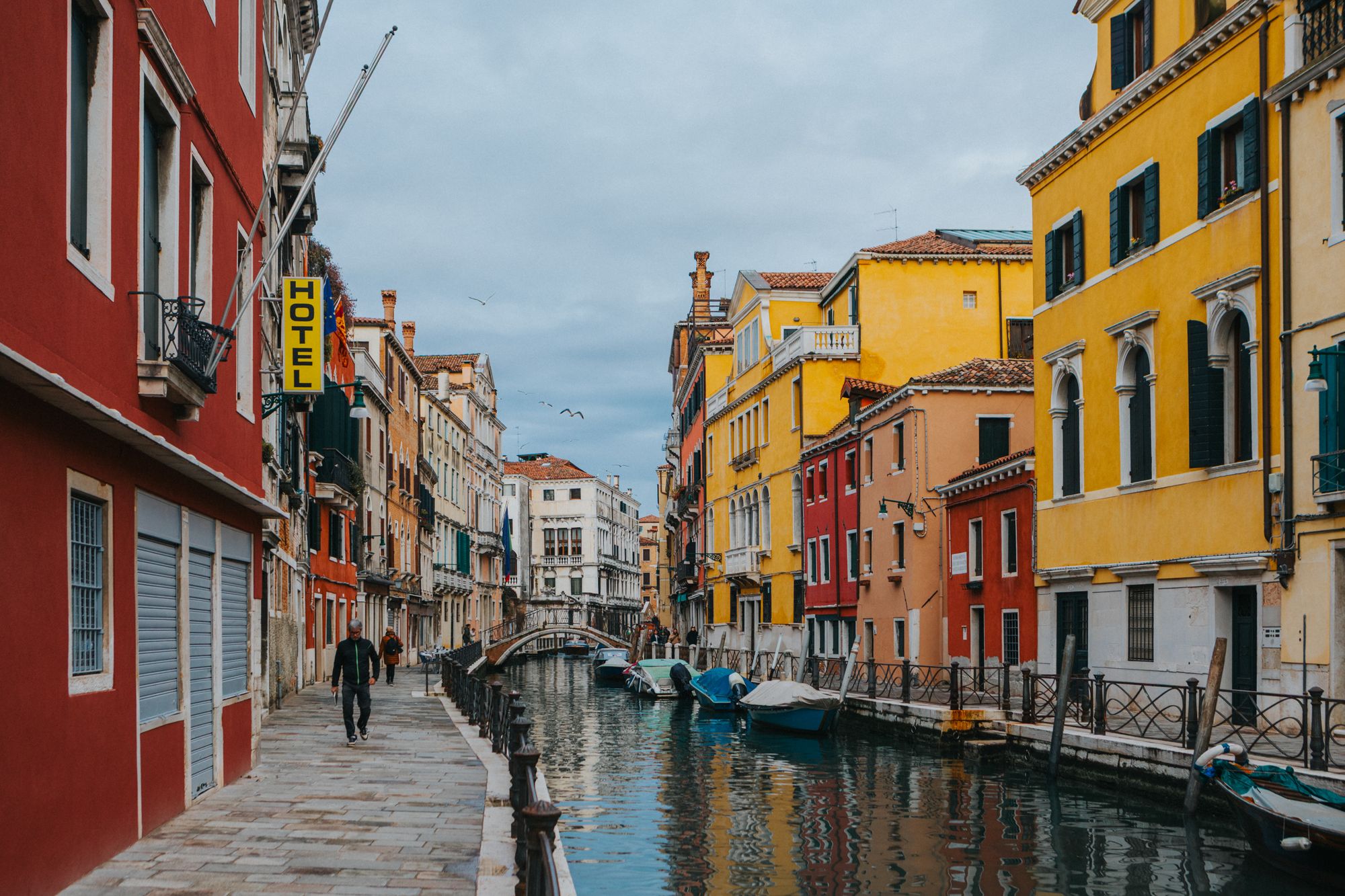
Venice is a year-round destination but timing your visit significantly affects the experience. The best months to visit are April, May, late September, and October — comfortable temperatures, lower humidity than summer, and far more manageable crowds.
Venice is a year-round destination but timing your visit significantly affects the experience. The city receives over 30 million annual visitors concentrated in a tiny area, making crowd management a genuine concern. The best months to visit are April, May, late September, and October — comfortable temperatures, lower humidity than summer, and far more manageable crowds. February's Carnevale is spectacular but peak-priced. November and January are the quietest and most atmospheric months for those who embrace the city's melancholic, misty winter character.
Best Time to Visit Venice: Seasonal Guide to Weather, Festivals, Avoiding Crowds – Spring in Venice (March–May)
Spring is one of the best time to visit Venice periods. Temperatures climb from 10°C in March to a pleasant 20–22°C by late May, and late spring brings some of the year's best weather, with pleasant weather and comfortable temperatures, plus increasing sunshine and the city's wisteria-draped courtyards and gardens in bloom. La Festa di San Marco (25 April) sees Venetian men traditionally give red roses to their loved ones — the city has an especially romantic atmosphere around this date. Easter weekend draws crowds but also brings beautiful religious processions, adding a festive atmosphere to the city. May is ideal: warm enough for canal-side aperitivo and outdoor dining, cool enough for intensive museum visits, with clear skies often making sightseeing especially rewarding. Hotel prices are moderate to high in spring; book 6–8 weeks ahead, as this shoulder season offers milder weather and fewer crowds than summer.
Summer in Venice (June–August, Peak Season)
Summer is Venice's most controversial season, with June to August marking both the peak season and high season. July and August bring heat (28–32°C), high humidity, and the year's most concentrated tourist numbers; these peak summer months are the busiest time, with large crowds around San Marco by mid-morning and the summer heat at its most intense. The famous acqua alta (high water) is less frequent in summer, but the stench from the canals on very hot, still days can be noticeable. It is also not the most budget friendly period, and lower prices are usually easier to find outside summer. That said, Venice in summer also offers the extraordinary Festa del Redentore (third Sunday of July) — one of Italy's most beautiful festivals, with a floating bridge of boats across the Giudecca canal, spectacular fireworks, and the city's residents on the water in decorated boats until dawn. The Venice Biennale (even-numbered years) fills the city with contemporary art and architecture from around the world, while the Architecture Biennale and other major events rank among the city's biggest cultural events. Stay in the quieter sestieri of Cannaregio or Castello and explore early morning (before 9am), when the main attractions and major attractions are easiest to enjoy, with calmer gondola rides and softer light along the Grand Canal.
Autumn in Venice (September–November)
Autumn is widely considered Venice's ideal season by experienced visitors. Early September still feels lively and warm at 22–26°C, while late September is calmer, and September-October is the classic shoulder season. The Venice Film Festival (late August–early September on the Lido) brings a glamorous cultural buzz to the city. Visitors can also explore museums and other cultural treasures while enjoying the city's rich history.
October is magnificent: 16–20°C, extraordinary golden light on the canal palaces, and early October in particular often brings pleasant weather, clear skies, and relief after the summer heat. It also means fewer crowds, comfortable sightseeing conditions, and more time for outdoor dining as the city's restaurants feel at their most relaxed.
The first acqua alta events of autumn typically occur in October–November, bringing a few hours of shallow flooding to the lowest points of San Marco — fascinating to experience (bring waterproof boots) rather than the disaster it's sometimes portrayed as. Even as Venice grows quieter, local festivals and other cultural events continue through the season. November is the moodiest and most literary month — mist on the lagoon, the city nearly to yourself, and a contemplative atmosphere that has inspired writers from Henry James to Thomas Mann.
Winter in Venice (December–February) and Venice Carnival
Winter Venice is an acquired taste and an extraordinary reward, especially in the low season and off season. December brings Christmas illuminations along the Rialto and around San Marco, a modest Christmas market, and peaceful museum visits, though cold weather, shorter daylight hours, and reduced hours at some attractions are part of the trade-off for lower prices if you prioritize value. Early January still feels lively after New Year's Eve before the city settles into its quietest stretch. Around year's eve, celebrations gather near Mark's Square, with festive views over Mark's Basin. January is the quietest month of the year — you can have the Accademia almost to yourself. Then February explodes with Venice Carnival — ten days of elaborate costumes, street performances, and boat processions in Piazza San Marco. Carnevale is one of the world's great spectacles but also Venice's most expensive and crowded period; book accommodation months ahead. The acqua alta is most frequent in autumn–winter; the city's flood barrier (MOSE) is now increasingly effective at preventing the worst events, but always pack foldable rubber boots if visiting November through February, especially if you're one of the budget travellers hoping to experience the city without peak-season pressure.
Avoiding the Crowds and Off Season Travel
The single most effective strategy for avoiding Venice's crowds is staying overnight — for many travellers, that's the best time to visit approach if you want quieter streets, depending on your travel style, because day-trippers (who account for the majority of visitors) leave by 6–7pm and the city transforms after dark into a calmer, more genuine version of itself. Visit Mark's Basilica, the Doge's Palace, and the Rialto Bridge at opening time (9am on weekdays) when queues are shortest. The Dorsoduro, Cannaregio, and Castello sestieri are consistently less crowded than San Marco while still offering easy access to the city's main attractions — explore them thoroughly. Vaporetto Line 2 (the faster route) is less crowded than Line 1. For many travellers, late October or early November is a budget-friendly time to visit Venice, with fewer crowds and generally lower hotel pressure than during peak periods. When you visit Venice should depend on whether you prefer major events and festive energy or a quieter, more relaxed stay.