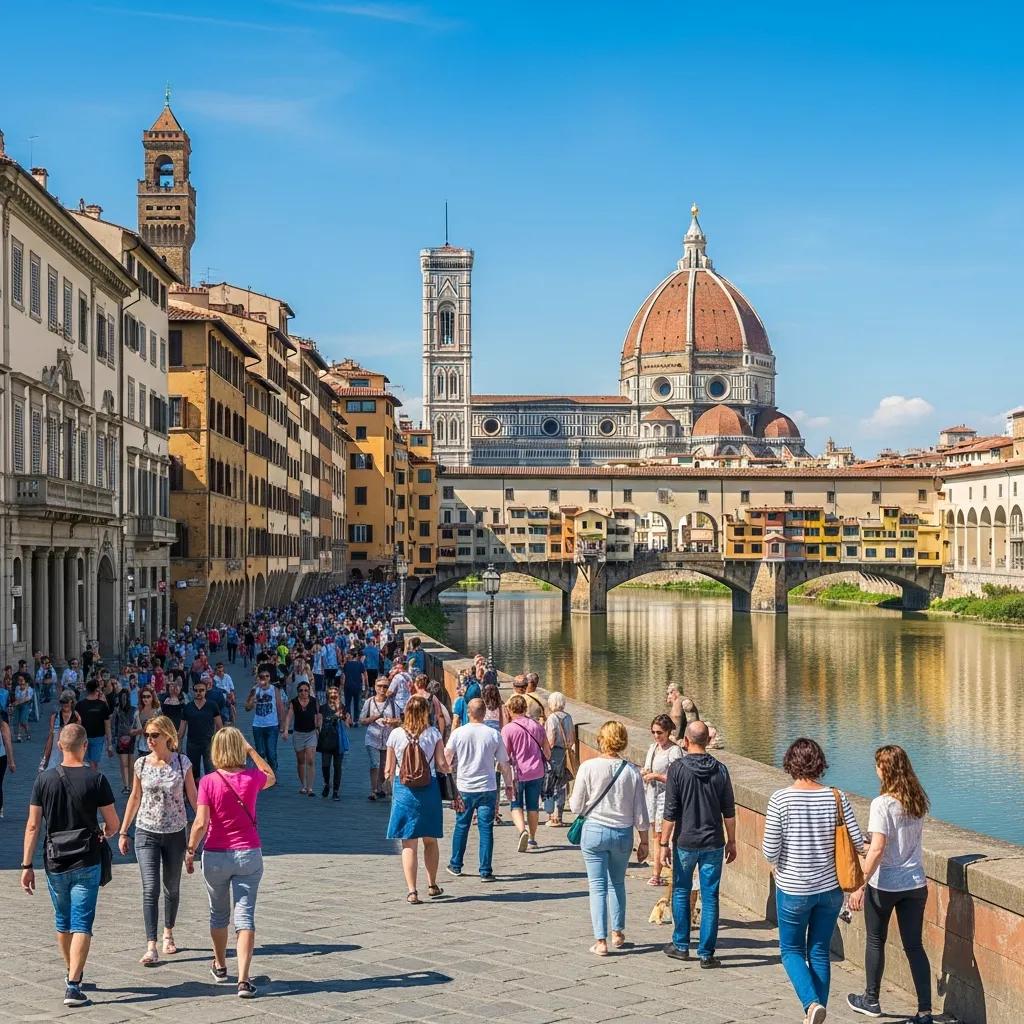
Uncover hidden gems in Florence that every traveler should visit. Experience rich history, stunning architecture, and vibrant culture in this beautiful city.
Essential Places to Visit in Florence: Duomo, Uffizi, Ponte Vecchio & Beyond for Informed Sightseeing and Booking
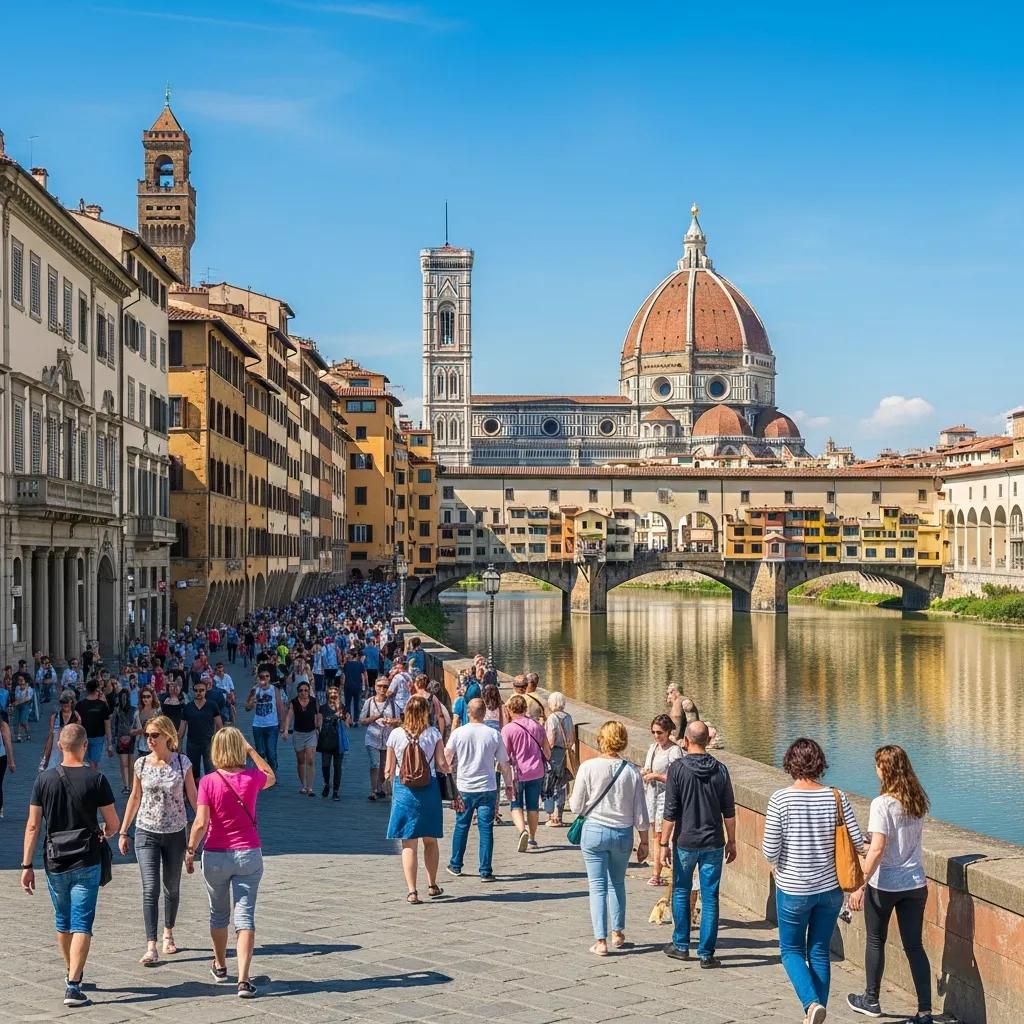
Florence, Italy, the cradle of the Renaissance, is a city steeped in history and culture, offering a plethora of attractions that captivate visitors from around the globe. This guide will explore essential places to visit in Florence, including the iconic Duomo, the renowned Uffizi Gallery, and the historic Ponte Vecchio. Travelers often seek to maximize their experience, balancing sightseeing with practical considerations such as accommodations and guided tours. By understanding the significance of these landmarks and how to navigate the historic centre and city center, where most key sights cluster, visitors can enhance their journey through Florence's rich heritage. This article will cover must-see historical landmarks, the best museums, recommended walking tours, accommodation options, and local experiences that complement a visit to this enchanting city, helping first time visitors plan a florence trip and visit Florence efficiently.
What Are the Must-See Historical Landmarks in Florence?
Florence is home to several historical landmarks that are essential for any visitor. The most notable include the Duomo, Uffizi Gallery, and Ponte Vecchio, each offering a unique glimpse into the city's artistic and architectural heritage. These sites not only showcase stunning artistry but also provide insight into Florence's historical significance. Visitors should plan their trips to include these landmarks to fully appreciate the city's cultural depth.
Why Visit the Duomo di Firenze Cathedral?
The Duomo di Firenze, or Florence Cathedral, formally the Basilica di Santa Maria del Fiore, is a masterpiece of Gothic architecture and a symbol of the city. Its magnificent dome, designed by Filippo Brunelleschi, with Brunelleschi's dome rising above the Florence skyline, is an engineering marvel of its time. Visitors are often awed by the intricate façade and stunning frescoes within, especially when first encountering the cathedral in Piazza del Duomo. To make the most of your visit, it is advisable to book tickets in advance, especially during peak tourist seasons from April to June and September to October, to avoid long lines. The duomo complex also includes Giotto's Bell Tower for a bell tower climb, the Museo dell'Opera del Duomo, and Santa Reparata.
What Is the Historical Importance of Ponte Vecchio?
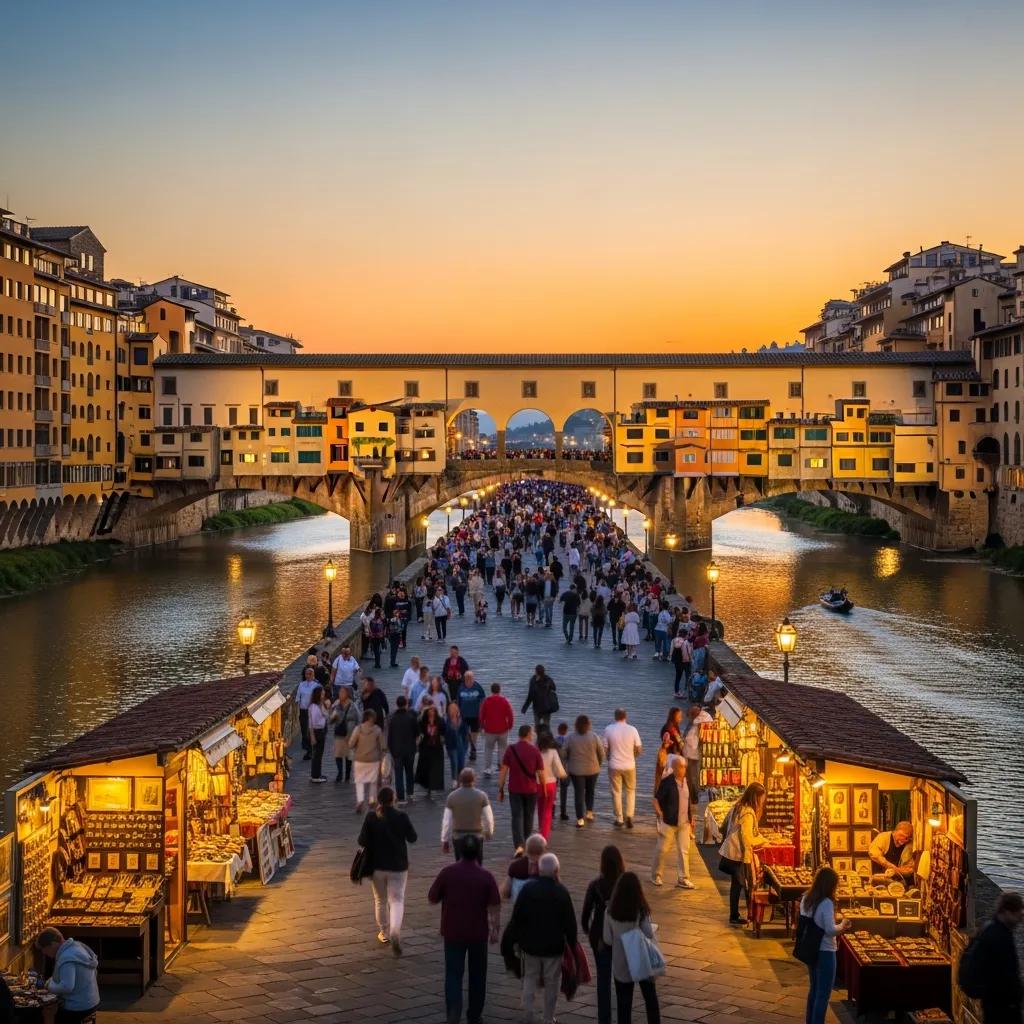
Ponte Vecchio, or the Old Bridge, is one of Florence's most iconic structures, known for its unique shops and rich history. Originally built in the 14th century, it has survived numerous floods and wars, serving as a vital connection between the two banks of the Arno River. The bridge is famous for its goldsmiths and jewelers, making it a perfect spot for visitors to experience local craftsmanship. It also sits within walking distance of Piazza della Signoria and Palazzo Pitti. Its historical significance is further highlighted by its role in the Medici family’s protected route, allowing the dynasty to move between centers of power discreetly through the Vasari Corridor.
How to Experience Florence's Best Museums and Art Collections?
Florence boasts some of the world's finest museums, showcasing an extensive collection of Renaissance art. The Uffizi Gallery is a must-visit for art lovers, housing masterpieces by artists such as Botticelli, Michelangelo, and Leonardo da Vinci. Understanding the highlights of these collections can greatly enhance the museum experience.
What Highlights Await at the Uffizi Gallery?
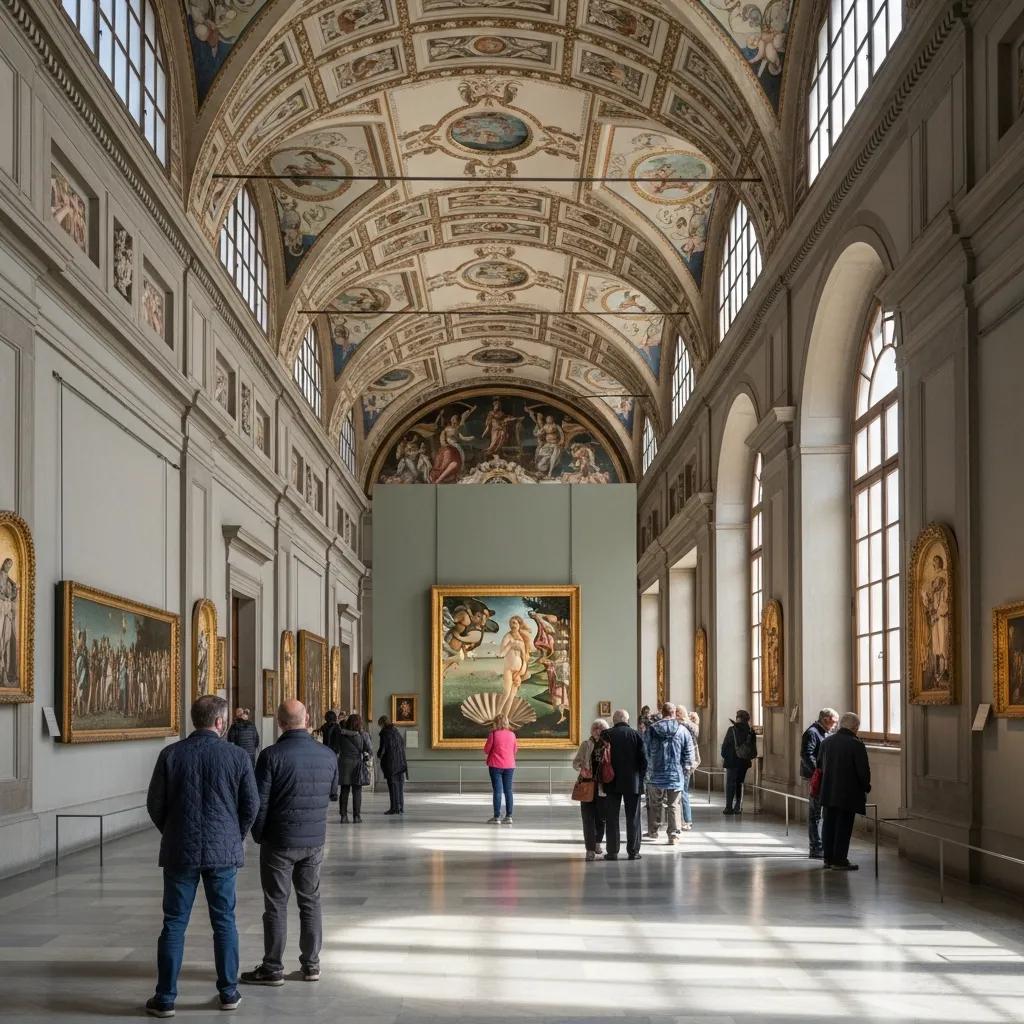
The Uffizi Gallery is renowned for its vast collection of Renaissance art, featuring the iconic Birth of Venus by Botticelli alongside works such as "The Annunciation" by Leonardo da Vinci. Visitors can explore the gallery's extensive halls, each filled with masterpieces that tell the story of Florence's artistic evolution. How long you stay comes down to personal preference, whether you want a quick visit or a longer deep dive. To avoid long waits, it is recommended to reserve tickets online ahead of time, ensuring a smoother entry into this cultural treasure.
Indeed, managing visitor flow and avoiding long queues at popular attractions like the Uffizi Gallery is a significant challenge that researchers are actively addressing.
Which Other Florence Museums Offer Cultural Insights?
In addition to the Uffizi, Florence is home to several other museums that provide valuable cultural insights. The Galleria dell'Accademia, famous for housing Michelangelo's "David" and the iconic David statue, offers a closer look at the artist's genius. The Bargello Museum showcases a remarkable collection of sculptures, while the Museo di San Marco features works by Fra Angelico. For Medici history, the basilica di san lorenzo and the Medici Chapels are another essential stop, with the church also known as Basilica di San Lorenzo and closely tied to the legacy of the Medici family at San Lorenzo and the wider heritage of di san lorenzo. Each museum presents a unique perspective on Florence's rich artistic heritage, making them worthwhile stops for any visitor.
What Are the Recommended Florence Guided Walking Tours?
Guided walking tours in Florence offer an excellent way to explore the city's rich history and culture. These tours provide insights that enhance the sightseeing experience, allowing visitors to discover hidden gems and learn about the significance of various landmarks.
How Do Guided Tours Enhance the Florence Sightseeing Experience?
Guided tours are beneficial as they provide expert knowledge and context that enrich the visitor experience. Many tours focus on the city center and historic centre so visitors can connect major sights on foot. Knowledgeable guides share fascinating stories and historical anecdotes, adding context at places like Piazza della Signoria and the Loggia dei Lanzi, while these squares are also ideal for people watching between stops. Personalized experiences, such as small group sizes or private tours, can also enhance the overall enjoyment of the city.
Where to Book Florence Sightseeing Tours with Integrated Accommodation?
For those looking to streamline their travel experience, booking sightseeing tours with accommodation packages near Santa Maria Novella and the train station can be a convenient option, while still keeping many attractions within a short walk. Various platforms offer packages that combine guided tours with hotel stays, often at discounted rates, and Piazza della Repubblica is often an easy central point to explore on your own after tours are booked. This approach not only saves time but can also lead to significant savings, allowing travelers to focus on enjoying their visit to Florence.
Where to Find Florence Accommodation Near the Duomo?
Finding accommodation near the Duomo is ideal for visitors who want to be close to the city's main attractions. Several hotels and guesthouses offer convenient access to the cathedral and other historical sites, making it easier to explore Florence.
What Are the Best Hotel Options Close to the Duomo?
Some of the top-rated hotels near the Duomo include Hotel Brunelleschi, known for its luxurious amenities and stunning views, and Hotel Duomo, which offers comfortable accommodations just steps away from the cathedral. These properties place guests near Piazza del Duomo and within easy reach of Florence's city hall at Palazzo Vecchio, and they can also suit travelers seeking fewer crowds if they book early or stay just off the busiest blocks. These options provide a blend of comfort and convenience, ensuring a pleasant stay in the heart of Florence.
How to Choose Accommodation Based on Proximity and Amenities?
When selecting accommodation in Florence, consider factors such as location, amenities, and budget, including proximity to the city center, major squares, and the train station. Staying near key attractions like the Duomo and Uffizi can enhance the overall experience, while amenities such as free breakfast or Wi-Fi can add value to your stay. Some travelers prefer Santa Maria Novella for easier rail access, while others choose the Duomo area. Streets right around the cathedral also tend to have heavier tourist crowds, so slightly quieter nearby blocks can be worth considering. Travelers should also look for accommodations that offer a local experience, such as boutique hotels or guesthouses, to immerse themselves in the city's culture.
What Local Experiences and Day Trips Complement Florence Sightseeing?
In addition to exploring Florence, visitors can enhance their experience by engaging in local activities and taking day trips to nearby destinations. These experiences provide a deeper understanding of the region's culture and history.
Which Day Trips Offer Cultural and Historical Enrichment?
Popular day trips from Florence include visits to the charming towns of Siena and San Gimignano, both rich in history and stunning architecture. The Chianti region is also a favorite for wine lovers, offering tours of vineyards and tastings of local wines. Some travelers also spend time at mercato centrale, a lively indoor food market, before heading out on day trips. History-focused itineraries may also add the basilica di santa croce, with Santa Croce especially noted as the resting place of Michelangelo. Each of these destinations provides unique cultural insights that complement a visit to Florence.
How to Incorporate Sustainable Tourism Practices in Florence Visits?
Sustainable tourism practices are increasingly important for travelers looking to minimize their environmental impact. Gardens and open spaces can also offer a break for fresh air between busy museum and cathedral queues. Visitors can support local businesses by choosing eco-friendly accommodations and participating in tours that emphasize sustainability. Additionally, exploring Florence on foot or by bicycle not only reduces carbon emissions but also allows for a more intimate experience of the city's beauty, including low-impact visits to Boboli Gardens and Pitti Palace, where temporary exhibits can also include modern art. For a smaller alternative, Bardini Gardens are especially appealing in early May for city views and seasonal blooms. If you want another scenic walk, Piazzale Michelangelo pairs well with this slower style of sightseeing.
The broader challenge of managing tourism, particularly in a World Heritage Site like Florence's historic center, is a critical area of study for ensuring the city's long-term sustainability.
Accommodation | Location | Price Range |
|---|---|---|
Hotel Brunelleschi | Near Duomo | $250 - $400 per night |
Hotel Duomo | Steps from Duomo | $150 - $300 per night |
Hotel Savoy | Central Florence | $300 - $500 per night |