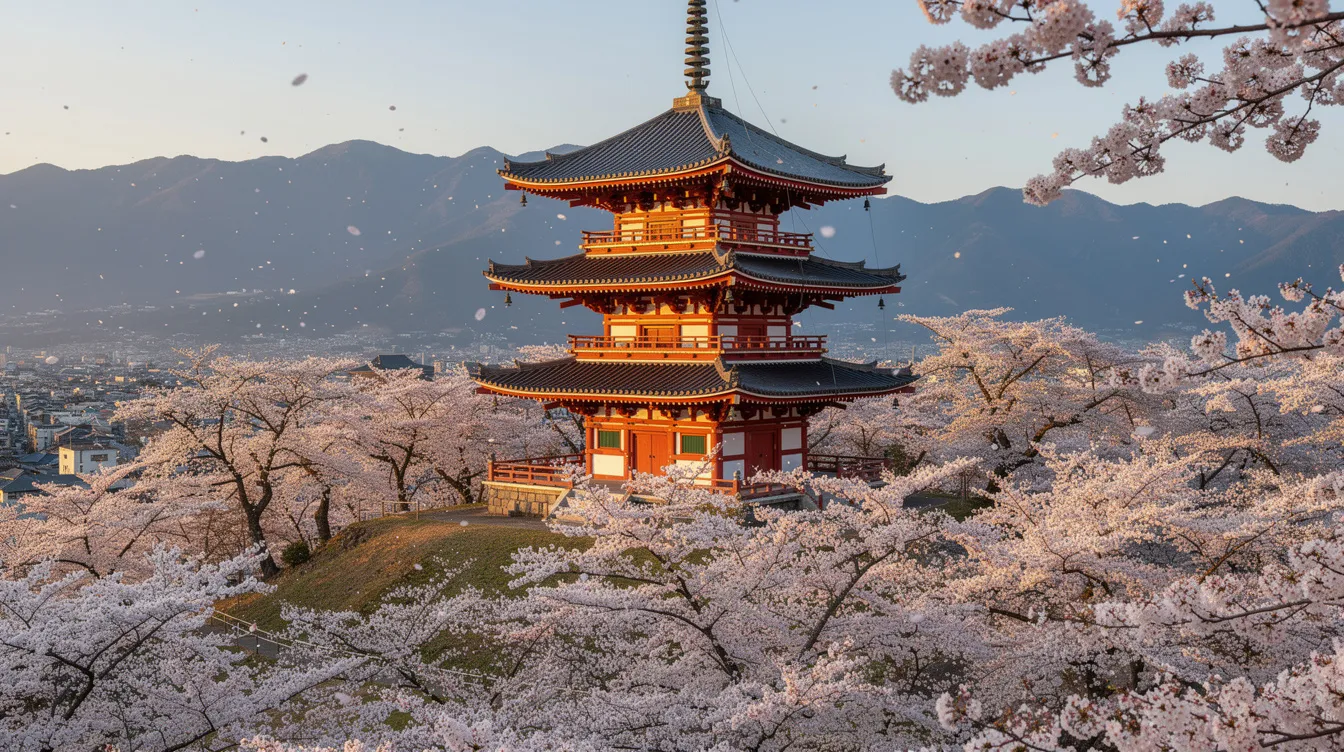
Japan is one of those rare destinations where a centuries-old temple can sit next door to a neon-lit skyscraper, and neither feels out of place. For first-time visitors, the country delivers an almost overwhelming range of experiences — from sacred shrines and cherry blossom festivals to futuristic cityscapes and world-class street food. But with so many places to visit, deciding where to spend your limited time can feel like a puzzle. This guide breaks down the top seven Japanese tourist sites that deliver the most value, variety, and memorable moments on a first visit to Japan.
Japanese Tourist Sites: Introduction
Japan combines ancient cultural treasures with cutting-edge innovation better than almost any country in the world. You can start your morning at a 1,200-year-old Buddhist temple, take a bullet train across the country at lunch, and end the day soaking in a volcanic hot spring — all without missing a beat.
For first-time visitors, the challenge isn't finding interesting things to do. It's narrowing down the list. The seven destinations in this guide were chosen because they represent the essential spectrum of what makes visiting Japan so rewarding: historic treasures, natural beauty, incredible food, and experiences you simply can't replicate anywhere else.
Whether you're drawn to the big cities or the quiet of a small town onsen, this list covers the main sights that belong on every Japan bucket list.
How We Chose the Best Japanese Tourist Sites
Picking the "best" Japanese tourist sites for a first-time trip requires more than just listing popular names. Here's what we prioritized:
Cultural and historical significance. Sites with UNESCO World Heritage status, deep religious importance, or unique historical stories earned top marks.
Accessibility and transportation. Every destination on this list is reachable via Japan's excellent rail network, making it practical to visit without renting a car.
Iconic experiences. We focused on locations that deliver the kind of moments — standing before Mount Fuji, feeding deer in Nara Park — that define a trip.
Traditional and modern balance. A good first trip should include both sides of Japan, from ancient temples to electric cityscapes.
Tourist infrastructure. English signage, multilingual guides, and visitor centers matter when you're navigating a country for the first time.
Value for time and budget. Each site earns its spot by packing significant experiences into a reasonable visit window.
Top 7 Japanese Tourist Sites for First-Time Visitors
1. Tokyo
Tokyo is where most first trips begin — and for good reason. As Japan's modern capital and the world's largest city by metropolitan population (approximately 37 million people), it delivers an almost absurd density of experiences per square kilometer.
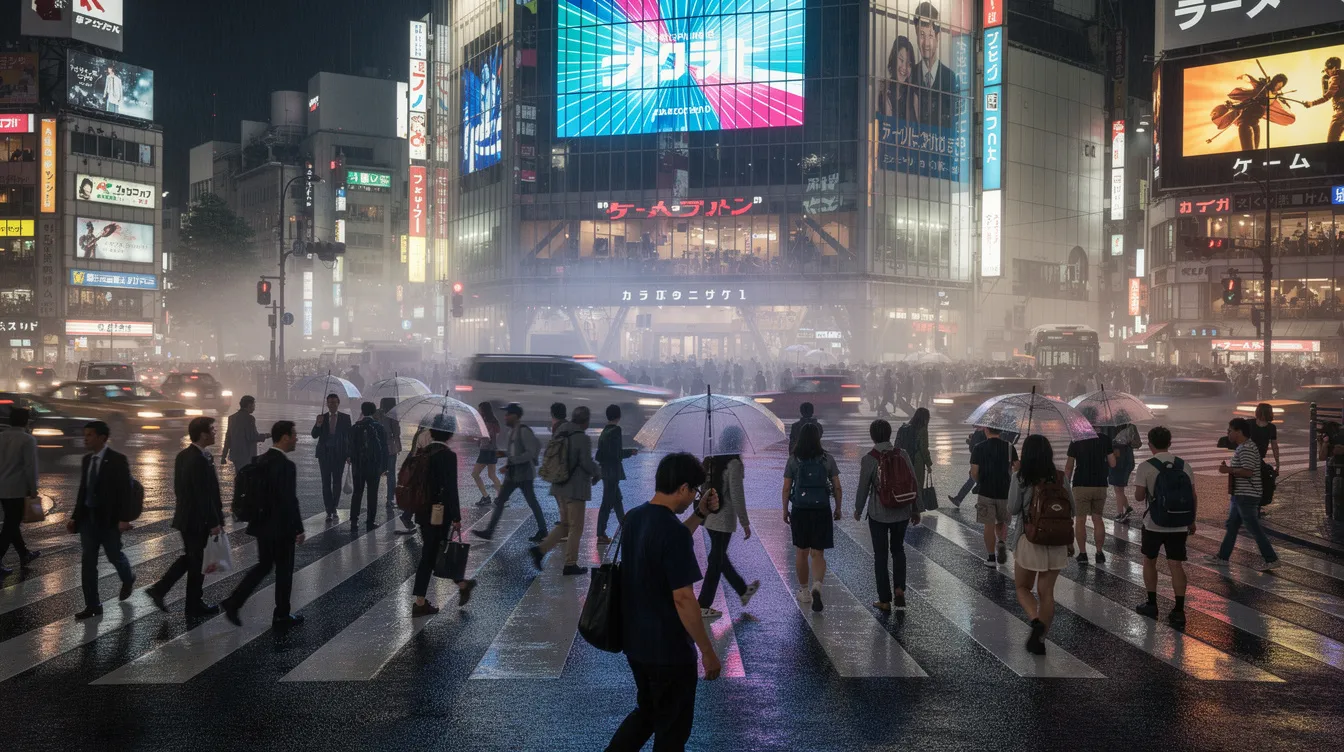
The city isn't one place so much as a collection of different neighbourhoods, each with its own personality. Shibuya's famous scramble crossing and the observation deck at Shibuya Sky offer a glimpse into Tokyo's relentless modern energy. Meanwhile, Asakusa provides a glimpse into the city's older, traditional roots, anchored by Sensō-ji, Tokyo's oldest and most famous Buddhist temple.
Why It Stands Out
Tokyo manages to feel simultaneously futuristic and deeply traditional. Starting from Tokyo Station, you can visit the serene grounds of the Imperial Palace in the morning, browse cutting-edge electronics shops in Akihabara by afternoon, and explore Tsukiji Outer Market for some of the freshest sushi and a memorable taste of Japanese cuisine. Meiji Shrine is a tranquil shrine inside a forested park, offering a peaceful escape just a short walk from Harajuku’s Takeshita Street. Tokyo also has themed cafes and digital art museum experiences for travelers who want more contemporary attractions.
Best For
Urban explorers and culture enthusiasts
Foodies seeking everything from street food carts to Michelin-starred dining
Travelers who want top-tier shopping, nightlife, and pop culture
Key Strengths
Tokyo has more Michelin-starred restaurants than any city on earth
Each neighborhood tells a different story, from the Edo-period charm of Yanaka to the electric energy of Shinjuku, with Shinjuku Station serving as the main hub for exploring the area
On clear days, you can see Mt Fuji from Tokyo's western observation points
Public transit is world-class: trains run on time, signage is multilingual, and coverage is comprehensive
Many top Tokyo sights are within walking distance of a major train station
Possible Limitations
Tokyo can feel overwhelming on a first visit, and busy areas like Shibuya or Takeshita Street may be a bit overwhelming for first timers
Language barriers exist in some less-touristy areas
Accommodation and dining costs run higher than other regions
2. Kyoto
If Tokyo represents Japan's future, Kyoto is its soul. Kyoto is the cultural heart of Japan, and its significance runs deep: it was Japan's Imperial capital for over 1,000 years, from AD 794 until the Meiji Restoration in 1868.
That millennium of imperial history left behind an extraordinary built heritage. Kyoto is home to over 1,600 Buddhist temples and 400 Shinto shrines. The UNESCO "Historic Monuments of Ancient Kyoto" designation covers 17 component sites, including 198 buildings and 12 gardens.
Why It Stands Out During Cherry Blossom Season
Kyoto preserves traditional Japanese culture in a way no other city can match. Walking through the Higashiyama area at dusk, past wooden machiya townhouses and lantern-lit streets, feels like stepping into a different century. For a calmer side of the city, the philosopher's path is especially scenic during sakura season. The geisha districts of Gion and Ponto-chō remain active, and Fushimi Inari Shrine features thousands of iconic torii gates winding up a forested mountainside.
Best For
History and culture enthusiasts
Photographers chasing iconic Japanese imagery
Travelers seeking immersive traditional experiences
Key Strengths
Kinkaku-ji's golden pavilion is arguably Japan's most photographed building
Kyoto is the best place in Japan to experience a traditional tea ceremony
Arashiyama's bamboo grove, Ryōan-ji's rock garden, and the city's beautiful gardens showcase Japanese aesthetics at their finest
Cherry blossom season (late March through mid-April) fills Kyoto with cherry blossoms, while autumn foliage transforms the city into a living painting
Possible Limitations
Extremely crowded during cherry blossom (late March–April) and autumn foliage (mid-October to November) seasons
Limited nightlife compared to Tokyo or Osaka
Many temples charge small entry fees that add up over a full day
3. Mount Fuji and Fuji Five Lakes
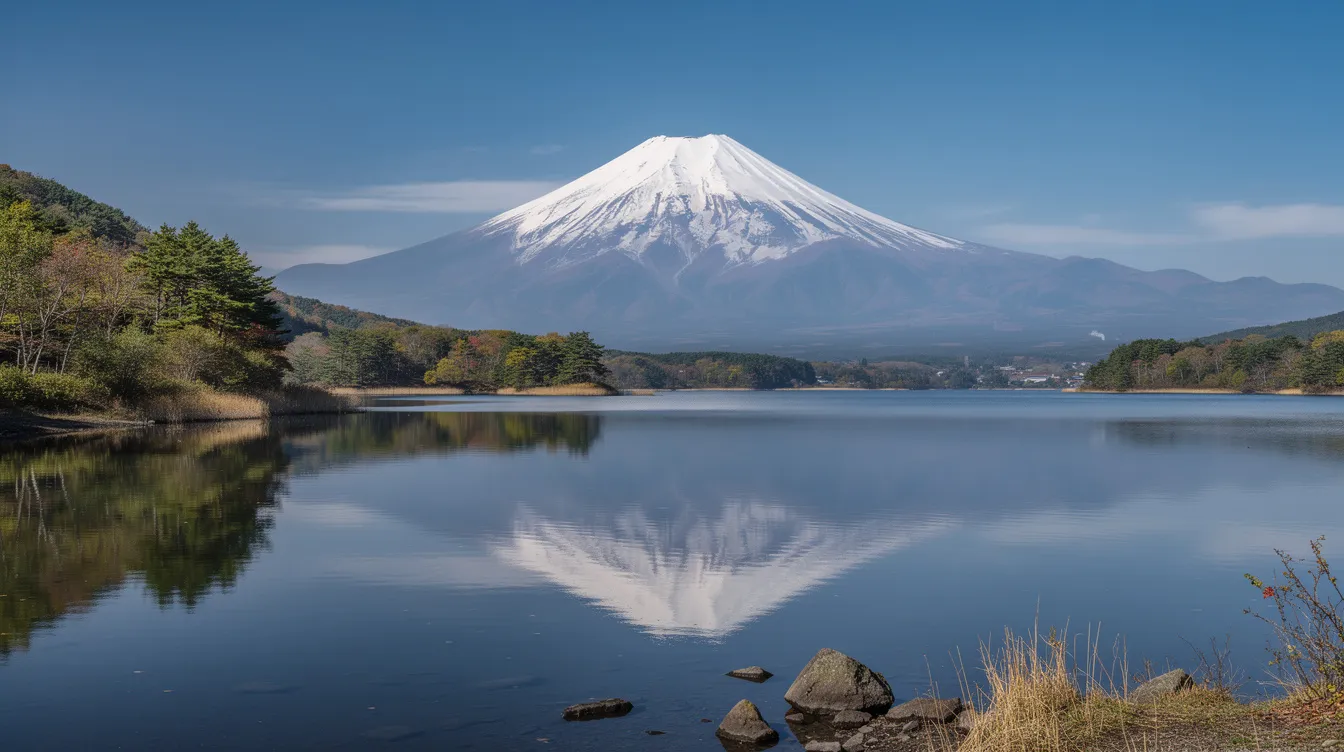
No image is more synonymous with Japan than the symmetrical snow-capped cone of Mount Fuji. At 3,776 meters, it's Japan's highest mountain and a national icon that has inspired artists, poets, and pilgrims for centuries. Mount Fuji has been a UNESCO World Heritage Site since 2013, recognized for both its natural beauty and deep cultural significance.
Why It Stands Out
Mount Fuji occupies a unique space in Japanese identity — it's simultaneously a sacred mountain, a challenging climb, and a scenic backdrop. The Fuji Five Lakes region provides stunning lakeside viewpoints, while the Fuji Shibazakura Festival features pink moss phlox from March to April, carpeting fields at the mountain's base.
Best For
Nature lovers and photographers
Adventurous travelers who want to climb during official season
Anyone seeking iconic Japanese scenery on a day trip from Tokyo
Key Strengths
Iconic photo opportunities from multiple viewing spots around the Five Lakes
The Fifth Station is the highest point accessible by vehicle, making it possible to experience the mountain without a full summit climb
Accessible as a day trip from Tokyo (about 2–2.5 hours by bus or train)
Climbing season (July through early September) offers a bucket-list summit experience
Possible Limitations
Weather is unpredictable — summer haze often obscures the peak, while clearer views come in winter when climbing isn't possible
The climbing season is limited to roughly July through mid-September
4. Osaka
If Tokyo is Japan's head and Kyoto its heart, Osaka is its stomach. This is the city where food isn't just sustenance — it's identity. The local expression "kuidaore" (eat until you drop) perfectly captures the attitude.
Osaka is only a 15-minute bullet train ride from Kyoto, making it an easy combination for any Kansai-region itinerary.
Why It Stands Out
Dotonbori is the heart of Osaka's vibrant nightlife and street food scene — a sensory overload of neon signs, canal reflections, and the smell of sizzling takoyaki and okonomiyaki, with visitors coming as much for the delicious food as the electric atmosphere. The city's locals have a reputation for being warmer and more outgoing than their Tokyo counterparts.
Best For
Food enthusiasts and street food lovers
Families (Universal Studios Japan with Super Nintendo World is here)
Budget-conscious travelers seeking great value
Key Strengths
Famous food districts where a filling meal can cost under ¥1,000
Osaka Castle provides a photogenic historical centerpiece surrounded by parkland
Universal Studios Japan is a major draw for families and gaming fans
Excellent base for exploring Kyoto, Nara, and Himeji Castle — all within easy reach
Possible Limitations
Fewer traditional temples in the city center compared to Kyoto
Entertainment districts can be very busy and loud, especially on weekends
5. Hiroshima and Miyajima Island
Hiroshima pairs one of the most important historical sites in the world with one of Japan's most beautiful natural destinations — separated by just a short ferry ride.
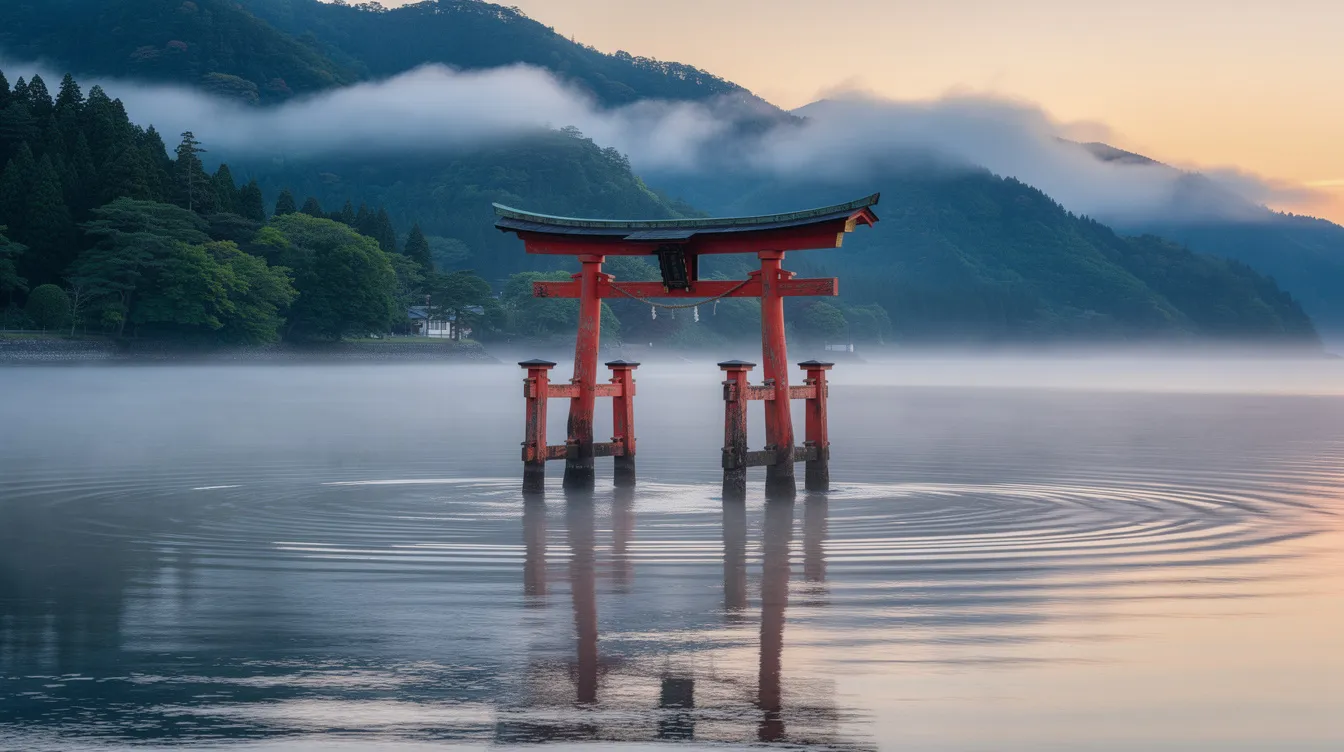
The Hiroshima Peace Memorial Park attracts over 1.7 million visitors annually. Nearby, Miyajima Island features the iconic floating torii gate of Itsukushima Shrine, one of Japan's most photographed scenes.
Why It Stands Out
Few destinations in the world combine the weight of tragic history with the serenity of natural beauty so effectively. The Hiroshima Peace Memorial and surrounding Peace Park invite reflection on the human cost of war, while Miyajima Island — just a 10-minute ferry ride away — offers hiking, friendly deer, and one of Japan's most stunning UNESCO World Heritage shrines.
Best For
History-focused travelers
Photographers seeking iconic Japanese imagery
Visitors who want meaningful, reflective experiences alongside scenic beauty
Key Strengths
The Peace Memorial Park and museum provide critical historical education through artifacts, testimonies, and reconstructions
Itsukushima Shrine's floating torii gate is a UNESCO World Heritage site
Friendly deer roam Miyajima Island freely, souvenir shops line the waterfront approach, and Mount Misen offers excellent hiking with panoramic views
Possible Limitations
The Peace Memorial Museum can be emotionally heavy — some exhibits include graphic imagery not suitable for young children
Day trips to Miyajima can feel rushed if you want to hike Mount Misen
6. Nara
Nara holds a special place in Japanese history as the country's first permanent capital (710–794 AD). Today, it's perhaps best known for something far more approachable: friendly deer roaming freely through the city's parks and temple grounds.
Why It Stands Out
Where else in the world can you bow to a wild deer, have it bow back, then walk five minutes to stand beneath a 15-meter bronze Buddha inside the world's largest wooden building? Nara Park has approximately 1,300 free-roaming sika deer considered sacred messengers in Shinto tradition. Many travelers visit Nara on a day trip, but the city rewards anyone who wants to spend time beyond the park because it contains several world heritage sites.
Best For
Families and travelers who enjoy animal interactions alongside history
Day-trippers from Osaka or Kyoto
Anyone who loves the intersection of nature and culture
Key Strengths
Over 1,200 sacred deer roaming freely in Nara Park
Todai-ji temple — the world's largest wooden building — houses Japan's Great Buddha statue
Nara sees fewer foreign tourists overnight than Kyoto, which can make the atmosphere feel calmer
Kasuga Taisha shrine, with thousands of stone and bronze lanterns, creates an atmospheric walk through ancient forest
visit Nara as an easy day trip from Osaka (about 30 minutes) or Kyoto (about 45 minutes)
Possible Limitations
Most visitors cover the main sights in a single day, but Nara is still worth a second trip if you want a slower pace or deeper temple visits
Deer can become aggressive when they see food — especially males in autumn and females protecting fawns in spring
7. Hakone
Hakone is Japan's quintessential onsen town, nestled inside the caldera of an ancient volcano about 90 kilometers southwest of Tokyo. It's where Japanese hot spring culture, stunning scenery, and traditional ryokan hospitality converge.
Why It Stands Out
Hakone offers an authentic gateway to Japanese onsen bathing, which has been central to Japanese culture for centuries. The region has 17 officially recognized hot springs, each with distinct mineral properties.
Best For a Day Trip
Travelers seeking relaxation and traditional Japanese hospitality
Couples looking for a romantic retreat with private onsen suites
Anyone who wants to combine nature, culture, and comfort in a single destination
Key Strengths
Natural hot springs with views of Mount Fuji on clear days
Scenic transportation including a pirate ship cruise on Lake Ashi and the Hakone ropeway, with the wider cable car network forming part of the scenic circuit over volcanic valleys
A traditional ryokan stay with tatami rooms, kaiseki dining, and private onsen baths is one of the most memorable nights of any Japan trip
Easily accessible from Tokyo in 1.5–2 hours via the Odakyu Romancecar train
Possible Limitations
Weather frequently obscures Mount Fuji views, especially in summer
Luxury ryokan pricing spikes on weekends and during peak seasons
Quick Comparison of the Best Japanese Tourist Sites
Destination | Best For | Ideal Duration | Budget Level |
|---|---|---|---|
Tokyo | Modern Japan, diverse urban experiences | 3–4 days | Mid to High |
Kyoto | Traditional culture and temple visits | two nights | Mid |
Mount Fuji | Iconic scenery and natural beauty | 1–2 days | Low to Mid |
Osaka | Food culture and casual local atmosphere | 2–3 days | Low to Mid |
Hiroshima / Miyajima | History and scenic island experiences | 1–2 days | Low to Mid |
Nara | Family-friendly animal interactions, heritage sites, and ancient temples | Half to full day | Low |
Hakone | Luxury relaxation and hot spring culture | 1–2 days | Mid to High |
For a simple japan itinerary, Tokyo + Kyoto + one or two additional destinations from this list gives first-time visitors a well-rounded view of what Japan offers.
How to Choose the Right Japanese Tourist Sites
Choose Based on Trip Duration and Bullet Train Access
If your trip is under five days, focus on Tokyo and Kyoto — they’re still two of the top places to visit in the country, deliver the highest density of main sights per day, and are connected by a 2-hour bullet train ride.
With 7–10 days, a sample visit in Japan could start in Tokyo, continue to Kyoto, add Osaka and a day trip to Nara, and then finish with either Hakone or Mount Fuji for natural scenery. With two weeks, you can comfortably include Hiroshima and Miyajima, then go deeper with places like Takayama, where hida folk village is a strong add-on, or Shirakawa-go.
Choose Based on Cultural Interests
Traditional Japan: Kyoto → Nara → Hiroshima/Miyajima. Add Himeji Castle along the Shinkansen route.
Modern Japan: Tokyo → Osaka — covering everything from technology to pop culture.
Spiritual Japan: Kyoto temples, Nara's Todai-ji, and Koyasan — a center for Shingon Buddhism with temple lodging run by Buddhist monks.
Nature and relaxation: Mount Fuji → Hakone → the Japan Alps.
Choose Based on Budget Level
Budget-friendly: Nara (free park, inexpensive food), Osaka (affordable street food), and day trips keep costs down.
Mid-range: Tokyo and Kyoto offer excellent value at mid-range hotels and restaurants.
Splurge-worthy: Hakone's luxury ryokan with private onsen, or a night of kaiseki dining in Kyoto.
Final Thoughts
Japan offers more places to visit than most first-timers can realistically fit into one trip. On a single trip, you can stand at the intersection of tradition and technology, taste flavors that exist nowhere else, and witness beauty — both natural and human-made — that stays with you long after you return home.
For most first-time visitors, starting with Tokyo and Kyoto makes sense as the foundation. These two cities capture the essential duality of Japan: the ultramodern and the deeply traditional. If you have extra days around the capital, Tokyo Disneyland, Tokyo Bay, and Hitachi Seaside Park are easy additions. From there, each additional destination adds a new dimension. Osaka delivers the food. Hiroshima delivers perspective. Nara delivers warmth. Hakone delivers rest. And Mount Fuji delivers awe. Some travelers also enjoy niche stops like cat cafes or, more controversially, hedgehog cafes, and it is worth researching animal welfare before you go.
Start building your itinerary, explore what speaks to you, and don't worry about seeing everything. Favourite things often end up being the least expected moments, whether that's watching sumo wrestlers, browsing a convenience store late at night, or catching the energy of Shibuya Crossing. Japan will be here when you come back.