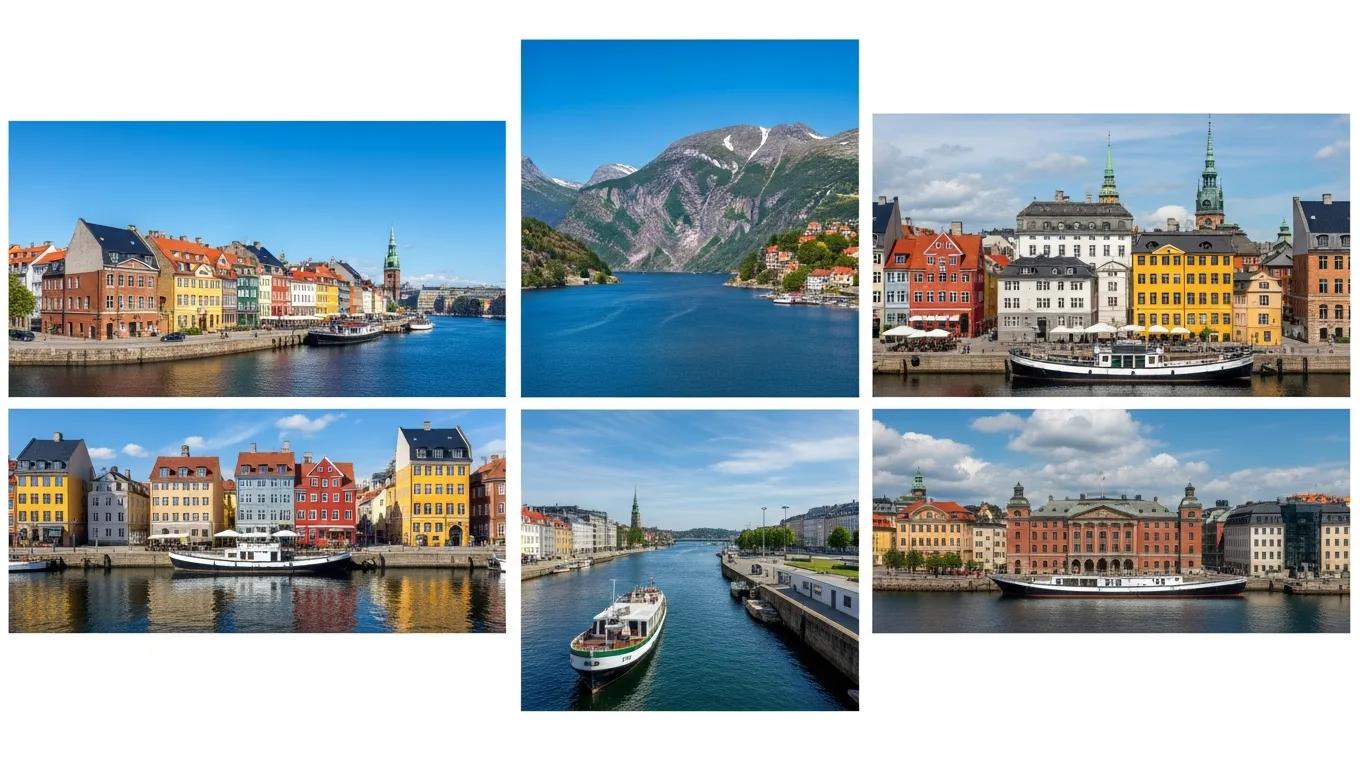
Craft an unforgettable Scandinavia itinerary that blends cultural treasures with breathtaking nature. Experience Norway and Sweden's unique wonders today.
Comprehensive Scandinavia Itinerary Travel Guide: Plan Your Optimal Trip with Expert Insights
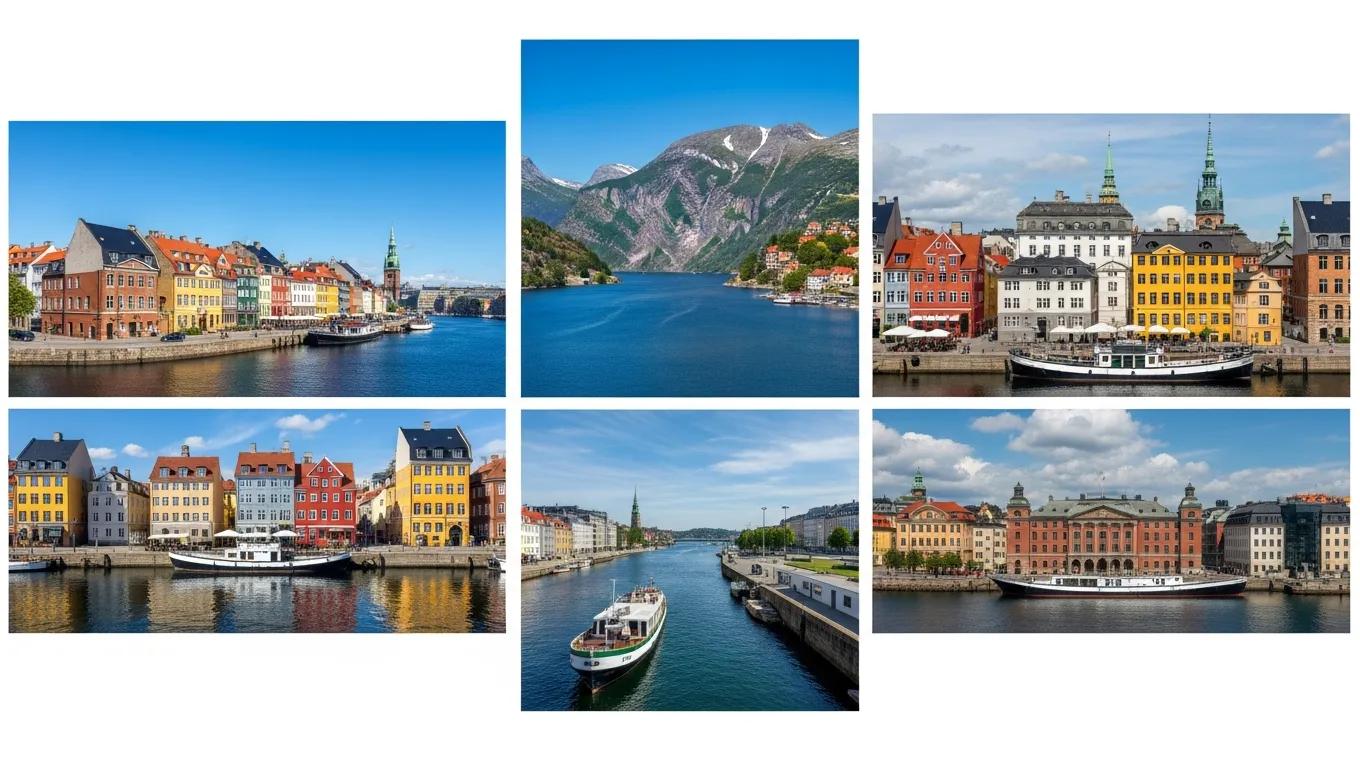
Scandinavia, known for its stunning landscapes, rich history, and vibrant cultures, offers travelers a unique experience that combines urban sophistication with breathtaking natural beauty. This comprehensive guide will help you navigate the best cities to visit, optimal travel times, outdoor adventures, and budget-friendly tips to make the most of your trip. Whether you're drawn to the historic streets of Stockholm, the modern architecture of Copenhagen, or the serene fjords of Norway, this itinerary will provide you with expert insights to enhance your travel experience. Many travelers find it challenging to plan a trip that balances cultural exploration with outdoor activities. This guide addresses these challenges by outlining key attractions, seasonal events, and practical travel tips. We will explore the best cities, the ideal times to visit, outdoor adventures, budget travel strategies, and recommended booking options.
What Are the Best Cities to Visit in Scandinavia for a Tailored Itinerary?
Scandinavia boasts several cities that are perfect for crafting a memorable travel itinerary. Each city offers a unique blend of culture, history, and natural beauty, making them ideal destinations for travelers seeking diverse experiences.
Exploring Stockholm, Oslo, Copenhagen, Helsinki, Bergen, and the Stockholm Archipelago: Key Attractions and Highlights
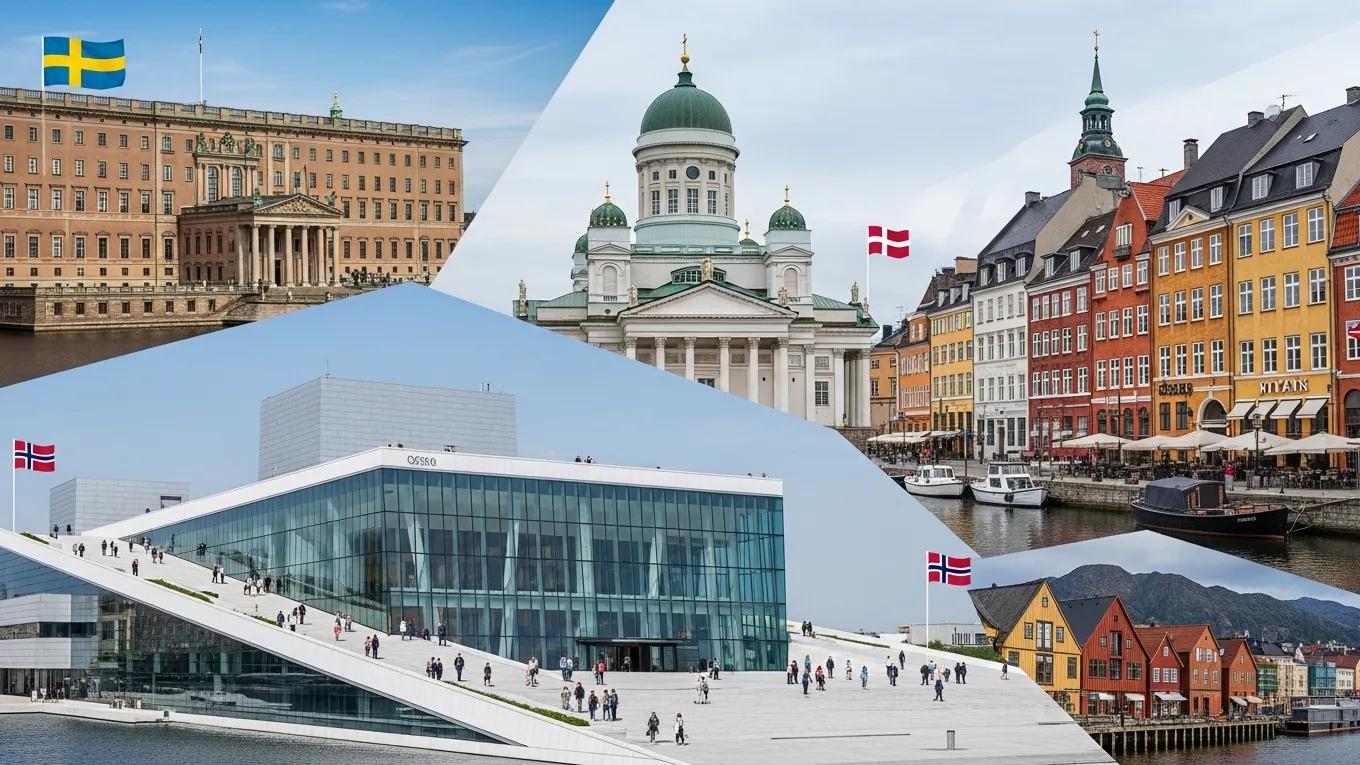
Stockholm, the Swedish capital, is renowned for the Stockholm Archipelago and historic sites. Key attractions include the Royal Palace, the Vasa Museum, and Gamla Stan, the city's old town, with its colourful buildings and cobblestone streets. The ABBA museum is also a fun optional stop. Oslo, Norway's capital, offers a mix of modern architecture, natural beauty, and insights into Norwegian history, with highlights such as the Oslo Opera House, the Viking Ship Museum, Vigeland Sculpture Park, and the scenic fjords. The city also has multiple museums for travelers interested in culture. Copenhagen, Denmark's capital, is famous for its colorful Nyhavn harbor, the Little Mermaid statue, Amalienborg Palace, the Round Tower, and the historic Tivoli Gardens. The city also has a fascinating history. Helsinki, Finland's capital, is known for its unique blend of Eastern and Western influences, with attractions like the Helsinki Cathedral and the Design District. Finally, Bergen, surrounded by mountains and fjords, is a gateway to Norway's breathtaking natural landscapes, with must-see sites like Bryggen Wharf, the funicular railway to Mount Fløyen, and a nearby stave church.
How to Integrate Cultural Experiences and Outdoor Activities in Each City
To create a well-rounded itinerary, it's essential to balance cultural experiences with outdoor activities across some of Scandinavia’s charming cities. In Stockholm, visitors can explore the city's museums and then join a guided tour or boat outing in the archipelago led by a tour guide. A day trip into nearby nature reserves adds an easy outdoor extension.
Oslo offers opportunities for hiking in the nearby forests, followed by a visit to the Munch Museum. Copenhagen's cycling culture lets travelers explore Copenhagen on foot or by bike and still reach all the sights from the city centre while enjoying its parks and waterfront. There are also hidden gems beyond the main waterfront areas.
In Helsinki, visitors can experience the vibrant market square and then venture to the nearby islands for hiking and picnicking. Bergen's proximity to the fjords makes it an excellent base for outdoor adventures, such as hiking and kayaking, and a local guide can add cultural context while also highlighting the city's rich cultural offerings.
When Is the Best Time to Visit Scandinavia for Ideal Weather and Events?
Understanding the best times to visit Scandinavia can significantly enhance your travel experience. Each season offers unique weather patterns and events that can influence your itinerary.
Seasonal Overview: Weather Patterns and Tourist Seasons
Scandinavia experiences distinct seasons, each with its own charm. Summer (June to August) is the peak tourist season, characterized by mild weather and long daylight hours, making it ideal for outdoor activities. Autumn (September to November) brings beautiful fall foliage and fewer crowds, while winter (December to February) brings crisp air, snow-covered landscapes, opportunities for winter sports, and the chance to see the Northern Lights. Travelers heading north toward the Arctic Circle can pair that winter scenery with even better Northern Lights viewing. Spring (March to May) is a time of renewal, with blooming flowers and cultural festivals.
Notable Scandinavian Festivals and Cultural Events by Season
Throughout the year, Scandinavia hosts various festivals and cultural events that showcase its rich heritage. In summer, the Midsummer Festival in Sweden celebrates the longest day of the year with traditional dances and feasts. Autumn brings the Oslo Jazz Festival, while winter features the enchanting Christmas markets across the region. Spring is marked by the Helsinki Festival, celebrating arts and culture with performances and exhibitions.
Which Outdoor Adventures Should Be Included in a Scandinavia Travel Itinerary?
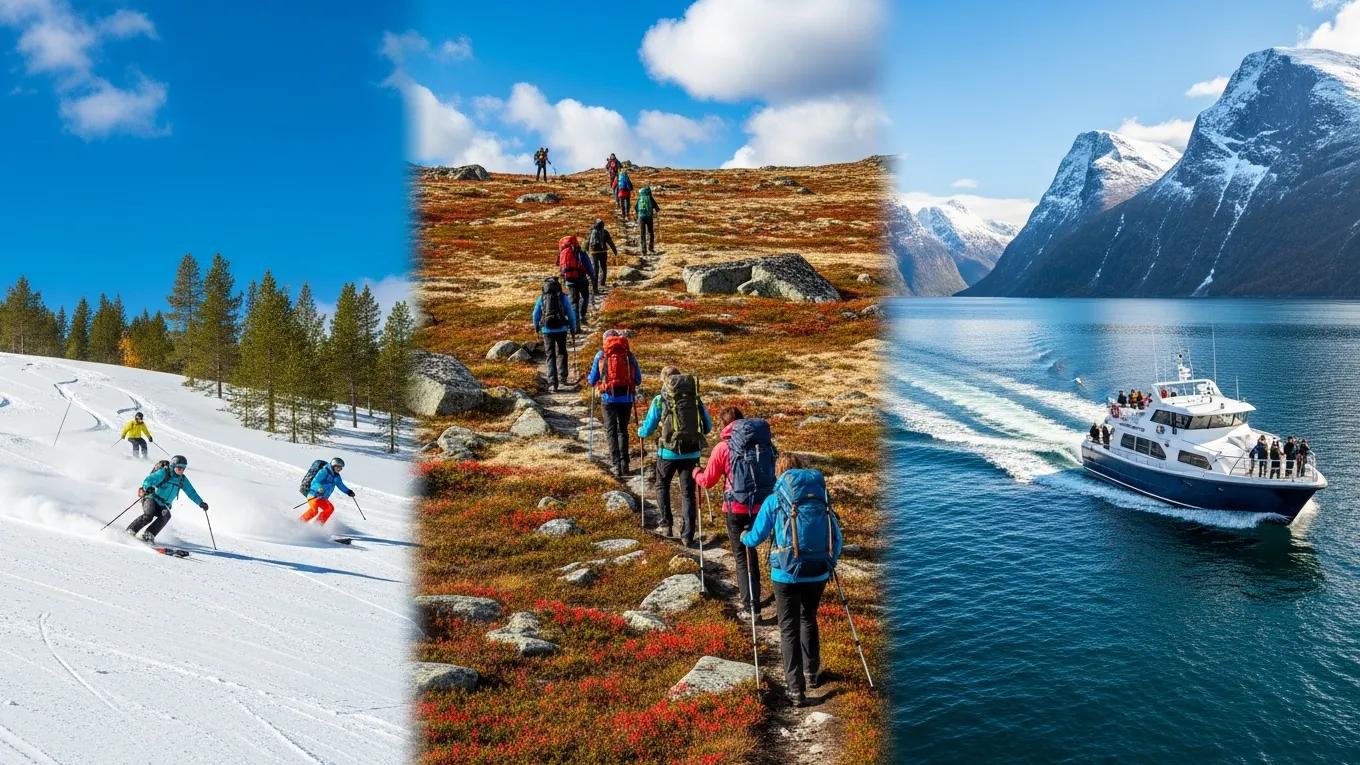
Scandinavia is a paradise for outdoor enthusiasts, offering a wide range of activities that cater to all interests and skill levels.
Popular Activities: Hiking, Fjord Cruises, Winter Sports, and Northern Lights Viewing
Hiking is a popular activity in Scandinavia, with trails ranging from easy walks to challenging treks. The famous Kungsleden Trail in Sweden offers stunning views of the northern wilderness. A fjord cruise in Norway provides breathtaking scenery and striking views along the Norwegian coast. A train trip on the Flåm Railway is another iconic scenic experience in Norway. In winter, skiing and snowboarding are popular in destinations like Åre and Hemsedal, while dog sledding and snowshoeing offer adventurous alternatives that are especially rewarding across Norway, Sweden and Denmark for travelers planning multiple countries in one itinerary. In Scandinavia, train travel can be as memorable as the activities themselves.
Sustainable Tourism Practices for Nature-Based Experiences
As outdoor activities increase in popularity, sustainable tourism practices are essential to preserve Scandinavia's natural beauty. Travelers are encouraged to follow the Leave No Trace principles, support local businesses, and choose eco-friendly accommodations. Engaging in guided tours that emphasize sustainability can enhance the experience while minimizing environmental impact.
How Can Travelers Optimize Their Scandinavia Trip with Budget Travel Tips?
Traveling in Scandinavia can be expensive, but with careful planning and smart choices, it's possible to enjoy a memorable trip without breaking the bank.
Affordable Accommodation Options: Hotels, Hostels, and Boutique Stays
When it comes to accommodation, travelers can find a range of options to suit their budgets. Hostels are a popular choice for budget-conscious travelers, offering affordable rates and opportunities to meet fellow adventurers, and some private rooms with private bathrooms can be a smart value if you want a bit more comfort. Boutique hotels provide unique experiences at reasonable prices; for better value, look for properties within a short walk of the main station or key attractions. Larger hotel chains often have special deals during the off-peak season. For those seeking a more local experience, consider renting an apartment or staying with locals through platforms that connect travelers with hosts.
Cost-Effective Transport and Dining Strategies Across Scandinavia
Public transport in Scandinavia is efficient and well-connected across three countries, making it easy to travel between many of the region’s major cities. Consider purchasing a rail pass for unlimited travel on trains and buses, especially for train journeys between the capital cities, and check how long each trip takes before you book. Oslo Central Station is also a convenient arrival hub for easy onward exploration. On some routes, a ferry can be a practical alternative, especially when crossing the Baltic Sea. You can also set sail on an overnight connection, including an overnight cruise between key cities.
For dining, explore local markets and street food options for good food, which often provide delicious meals at lower prices than restaurants, and Copenhagen is a great place to plan a special meal. Many cities also offer lunch specials and early bird discounts, making it easier to enjoy local cuisine without overspending. If you want more flexibility, a rental car can work well for a road trip along scenic roads, especially between two cities or rural stops.
What Are the Recommended Booking Options for Accommodations and Tours in Scandinavia?
Booking accommodations and tours in advance can help ensure a smooth travel experience in Scandinavia.
Integrating Direct Booking Links for Hotels and Guided Tours
When planning your trip, consider using reputable travel websites to book hotels, a guided tour, or a local guide directly. These services can simplify planning across multiple countries. This approach often provides the best rates and ensures that you have access to the latest availability. Look for platforms that specialize in Scandinavian travel to find unique accommodations and experiences tailored to your interests.
Ensuring Security and Compliance in Online Travel Bookings
As online travel bookings become increasingly common, it's essential to prioritize security and compliance. Always use secure payment methods and verify the legitimacy of the booking platform. Reading reviews and checking for certifications can help ensure a safe and reliable booking experience.