Comprehensive Guide to Things to Do in Italy: Top Attractions, Cultural Experiences, and Travel Itineraries

Italy is a treasure trove of history, culture, and breathtaking landscapes, making it a top destination for travelers worldwide. This comprehensive guide will explore the must-see attractions, unique cultural experiences, and effective travel itineraries to help you make the most of your Italian adventure. Whether you're drawn to the ancient ruins of Rome, the romantic canals of Venice, or the stunning art of Florence, Italy offers something for every type of traveler. Many visitors often feel overwhelmed by the sheer number of options available, but with the right planning, you can create a memorable journey that captures the essence of this beautiful country. In this article, we will cover the top tourist attractions, how to plan your itinerary, the ideal duration for exploring cities, regional tours, and unique cultural experiences, including culinary delights and local festivals.
For travelers seeking comprehensive travel planning resources, Lonely Planet offers detailed guides and tips to enhance your Italian adventure.
What Are the Must-See Tourist Attractions in Italy?
Italy is home to some of the world's most iconic landmarks and cultural sites. Here are a few must-see attractions that should be on every traveler's list:
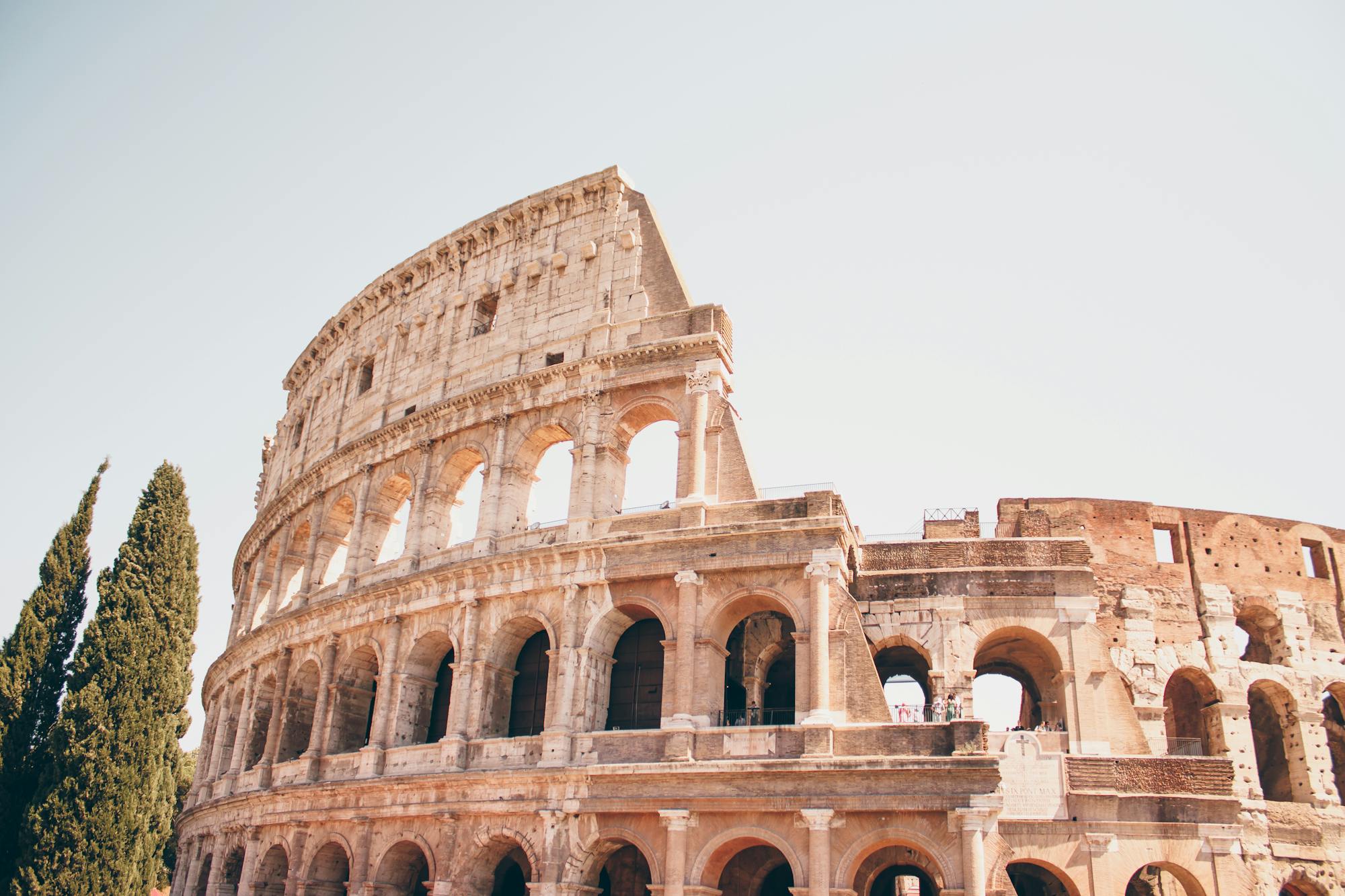
- Colosseum: This ancient amphitheater in Rome is a testament to the engineering prowess of the Romans and a symbol of the city's rich history.
- Vatican Museums: Home to an extensive collection of art and historical artifacts, the Vatican Museums are a must-visit for art lovers and history buffs alike.
- Leaning Tower of Pisa: Known for its unintended tilt, this architectural marvel is a popular photo spot and a symbol of the city of Pisa.
- Amalfi Coast: Renowned for its stunning coastal scenery, charming villages, and delicious cuisine, the Amalfi Coast is perfect for those seeking both relaxation and adventure.
- Florence's Duomo: The Cathedral of Santa Maria del Fiore, with its magnificent dome designed by Brunelleschi, is a masterpiece of Renaissance architecture.
These attractions not only showcase Italy's rich history and culture but also provide visitors with unforgettable experiences.
How to Plan an Effective Italy Travel Itinerary?
Creating an effective travel itinerary for Italy involves careful consideration of your interests, the duration of your stay, and the regions you wish to explore. Here are some tips to help you plan:
- Determine Your Interests: Are you more interested in art, history, food, or outdoor activities? Tailor your itinerary to include attractions and experiences that align with your interests.
- Allocate Time Wisely: Depending on the cities you want to visit, allocate sufficient time to explore each destination. Major cities like Rome, Florence, and Venice typically require at least 3-4 days each.
- Consider Travel Logistics: Italy has an extensive train network, making it easy to travel between cities. Plan your transportation in advance to maximize your time.
- Include Rest Days: Don’t forget to schedule some downtime to relax and soak in the local atmosphere.
By following these guidelines, you can create a well-rounded itinerary that allows you to experience the best of Italy.
What Is the Ideal Duration for Exploring Italy's Best Cities?
The ideal duration for exploring Italy's best cities varies based on personal preferences and travel goals. However, here are some general recommendations:
- Rome: 4-5 days to visit major sites like the Colosseum, Vatican Museums, and the Pantheon, along with time to enjoy local cuisine.
- Florence: 3-4 days to explore the Uffizi Gallery, the Duomo, and nearby Tuscan vineyards.
- Venice: 2-3 days to experience the canals, St. Mark's Basilica, and the unique atmosphere of this floating city.
- Milan: 2-3 days to see the Duomo, La Scala, and indulge in shopping at the Galleria Vittorio Emanuele II.
These timeframes allow for a thorough exploration of each city while also providing opportunities for spontaneous adventures.
How to Organize Regional Tours Across Northern, Central, and Southern Italy?
Organizing regional tours in Italy can enhance your travel experience by allowing you to explore diverse landscapes and cultures. Here’s how to approach it:
- Northern Italy: Focus on cities like Milan, Venice, and the lakes region. Consider a tour that includes the Dolomites for stunning mountain scenery.
- Central Italy: Explore Tuscany, known for its rolling hills, vineyards, and historic towns like Siena and San Gimignano. A wine tour can be a highlight here.
- Southern Italy: Visit Naples for its rich history and proximity to Pompeii and Mount Vesuvius, and the Amalfi Coast for breathtaking views and charming villages.
By organizing your travels regionally, you can immerse yourself in the unique characteristics of each area.
For those looking to delve deeper into optimizing their travel plans, particularly for archaeological and cultural sites, research offers advanced models for itinerary construction.
Optimizing Archaeological & Cultural Itineraries in Italy
Cultural and archaeological tourism is increasingly acknowledged as a catalyst for regional development, particularly in areas beyond mainstream travel circuits. While itinerary planning has attracted academic attention, the optimization of multi-period cultural routes across dispersed archaeological landscapes remains underexplored. This paper proposes a novel bi-objective optimization model–belonging to the class of Vacation Planning Problems and formulated as a variant of the Team Orienteering Problem–for constructing multi-period archaeological itineraries. The model maximizes cultural value and minimizes travel distance, subject to some logistics constraints. A real-world application in Calabria, Italy–a region rich in archaeological heritage but limited in tourism infrastructure–demonstrates the capability of the model to generate efficient, thematically coherent routes. The findings underscore the potential of operations research methods to enhance sustainable tourism planning in marginal cultural landscapes.
Multi-period Itinerary Optimization for Regional Archaeological Tourism: A Case Study, A De Maio, 2026
What Unique Cultural Experiences Can Travelers Enjoy in Italy?
Italy is rich in cultural experiences that go beyond traditional sightseeing. Here are some unique opportunities to consider:
How to Participate in Authentic Italian Cooking Classes and Food Tours?

Participating in cooking classes and food tours is a fantastic way to immerse yourself in Italian culture. Here are some options:
- Cooking Classes: Many local chefs offer hands-on classes where you can learn to make traditional dishes like pasta, risotto, and tiramisu.
- Food Tours: Explore local markets and eateries with a guide who can introduce you to regional specialties, such as truffles in Umbria or seafood in Sicily.
- Culinary Festivals: Check local calendars for food festivals celebrating regional cuisine, providing a chance to taste and learn about local ingredients.
These experiences not only enhance your culinary skills but also deepen your appreciation for Italian culture.
What Are the Best Wine Tasting and Local Festival Experiences in Tuscany and Beyond?

Tuscany is renowned for its wine, and participating in tastings and local festivals can be a highlight of your trip. Here are some suggestions:
- Wine Tasting Tours: Visit vineyards in Chianti or Montalcino to sample some of Italy's finest wines, often paired with local cheeses and cured meats.
- Local Festivals: Attend events like the Palio di Siena, a historic horse race, or the Grape Festival in Montepulciano, where you can enjoy local wines and traditional foods.
- Cooking and Wine Pairing Classes: Some wineries offer classes that combine cooking with wine tasting, allowing you to learn how to pair food and wine effectively.
These activities provide a deeper connection to the land and its traditions.
Which Are the Best Italian Cities to Visit for Diverse Travel Experiences?
Italy's cities offer a wide range of experiences, each with its unique charm. Here are some of the best cities to consider:
What Distinguishes Milan and Florence as Cultural and Fashion Destinations?
Milan and Florence are two cities that stand out for their cultural significance and distinct offerings:
- Milan: Known as the fashion capital of the world, Milan is home to high-end shopping, the iconic Duomo, and cultural institutions like La Scala. The city's modern vibe contrasts with its historical sites.
- Florence: The cradle of the Renaissance, Florence is famous for its art, architecture, and museums, including the Uffizi Gallery and the Accademia, where Michelangelo's David resides. The city's rich history is palpable in its streets and buildings.
Both cities offer unique experiences that cater to different interests, from fashion to art.
For those interested in exploring fashion and cultural events, Vogue Italy provides up-to-date information on Milan's fashion scene and cultural happenings.
How Do Naples and Venice Offer Unique Historical and Outdoor Activities?
Naples and Venice provide distinct experiences that highlight Italy's diverse history and outdoor activities:
- Naples: Known for its vibrant street life and culinary scene, Naples is also the gateway to Pompeii and Mount Vesuvius. Visitors can explore ancient ruins and enjoy authentic Neapolitan pizza.
- Venice: Famous for its canals, Venice offers unique outdoor activities such as gondola rides and walking tours through its historic neighborhoods. The city's architecture and art provide a stunning backdrop for exploration.
These cities showcase Italy's rich history and offer a variety of activities for travelers.
For detailed travel tips and historical insights, Italia.it is an excellent resource to plan your visits to Naples, Venice, and other Italian destinations.