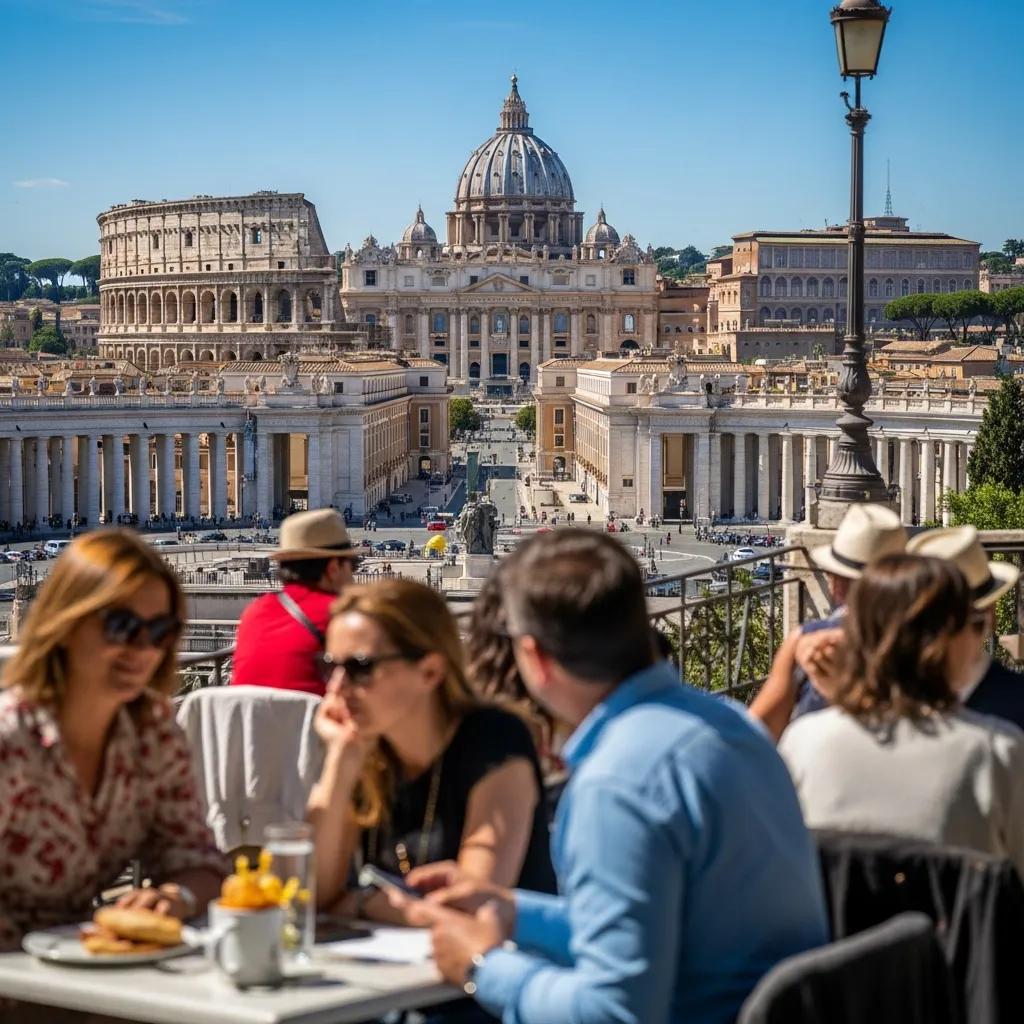
Find the ideal time to visit Rome with a month-by-month weather guide. Plan your trip perfectly and enjoy all the beauty this city offers!
Best Time to Visit Rome Month by Month Weather Crowds Travel Guide: Comprehensive Overview
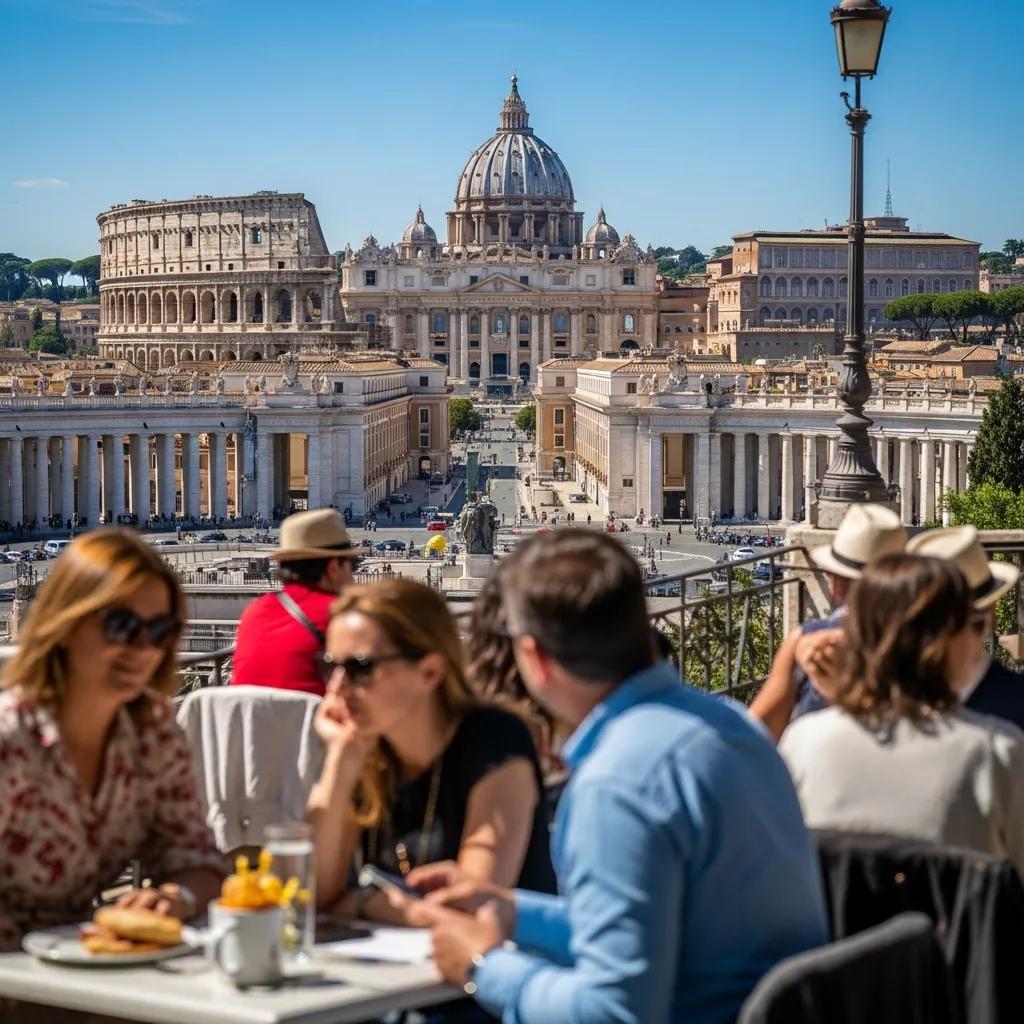
Rome, the Eternal City, is a treasure trove of history, culture, and culinary delights. Understanding the best time to visit Rome is crucial for maximizing your experience, as the city’s weather and crowd levels vary significantly throughout the year. This guide will provide a month-by-month breakdown of Rome's weather conditions, tourist seasons, and travel tips, ensuring you can plan your visit effectively. Whether you're looking to avoid the crowds or enjoy the vibrant festivals, knowing when to go can enhance your trip. We will explore the winter charm of January and February, the blossoming spring months, the sweet spot of late spring, the bustling summer peak, the golden autumn, and the cozy winter months of November and December.
Best Time to Visit Rome: A Month-by-Month Guide
January & February — Winter Charm
January and February in Rome have a quieter winter appeal, with January the coldest month at about 39°F to 54°F. Museums and attractions are less crowded, so famous attractions are easier to enjoy without the usual rush. Additionally, hotel prices drop significantly, often by 20-50%, and late November to early March can bring lower prices and fewer crowds. This period is ideal for those who appreciate a quieter atmosphere and want to enjoy Rome's rich history at a leisurely pace, though a light jacket is useful for cooler evenings.
March & April — Spring Awakens
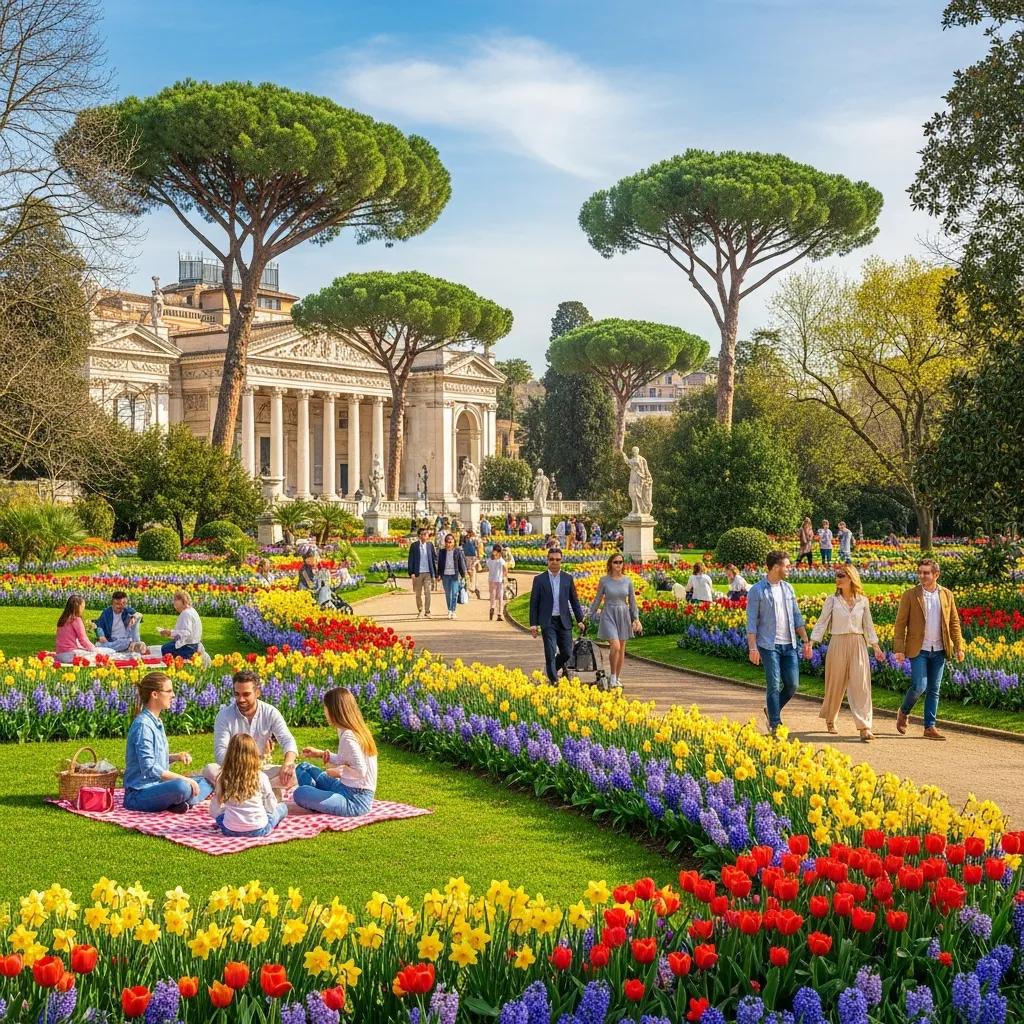
As spring arrives, March and April bring warmer temperatures and blooming gardens, with some areas in full bloom, making it a delightful time to visit Rome. The weather becomes increasingly pleasant, with average temperatures ranging from 50°F to 72°F (10°C to 22°C), and flowers beginning to bloom. However, be aware that crowds start to increase, especially during Easter, which is a significant time for religious celebrations in the city. Late March to mid-April is particularly ideal for comfortable sightseeing, as the weather is perfect for outdoor activities and leisurely walks. Visitors can enjoy the vibrant atmosphere of the city as it comes alive with spring festivities.
May & June — The Sweet Spot
May and June are often considered the sweet spot for visiting Rome, as the weather is warm and inviting, perfect for outdoor dining and exploring. The long days allow for extended sightseeing, and the city is filled with life. However, crowds begin to increase, particularly in June, as schools let out for summer vacation. It is advisable to book accommodations early, especially in popular areas, to secure the best options. This period is perfect for those who want to enjoy Rome's outdoor cafes and vibrant street life.
July & August — Peak Season
July and August mark the peak tourist season in Rome, with the summer heat pushing temperatures up to 88°F (31°C). This is also when the city experiences its highest prices and largest crowds. Many locals leave the city for vacation, so late August can feel a bit quieter in some neighborhoods, but major tourist attractions remain bustling. For those who can tolerate the heat and crowds, this period offers a lively experience filled with summer events and festivals, including open-air concerts and evenings suited to al fresco dining. However, it is generally recommended to avoid visiting during these months if you prefer a more relaxed experience.
September & October — Golden Autumn
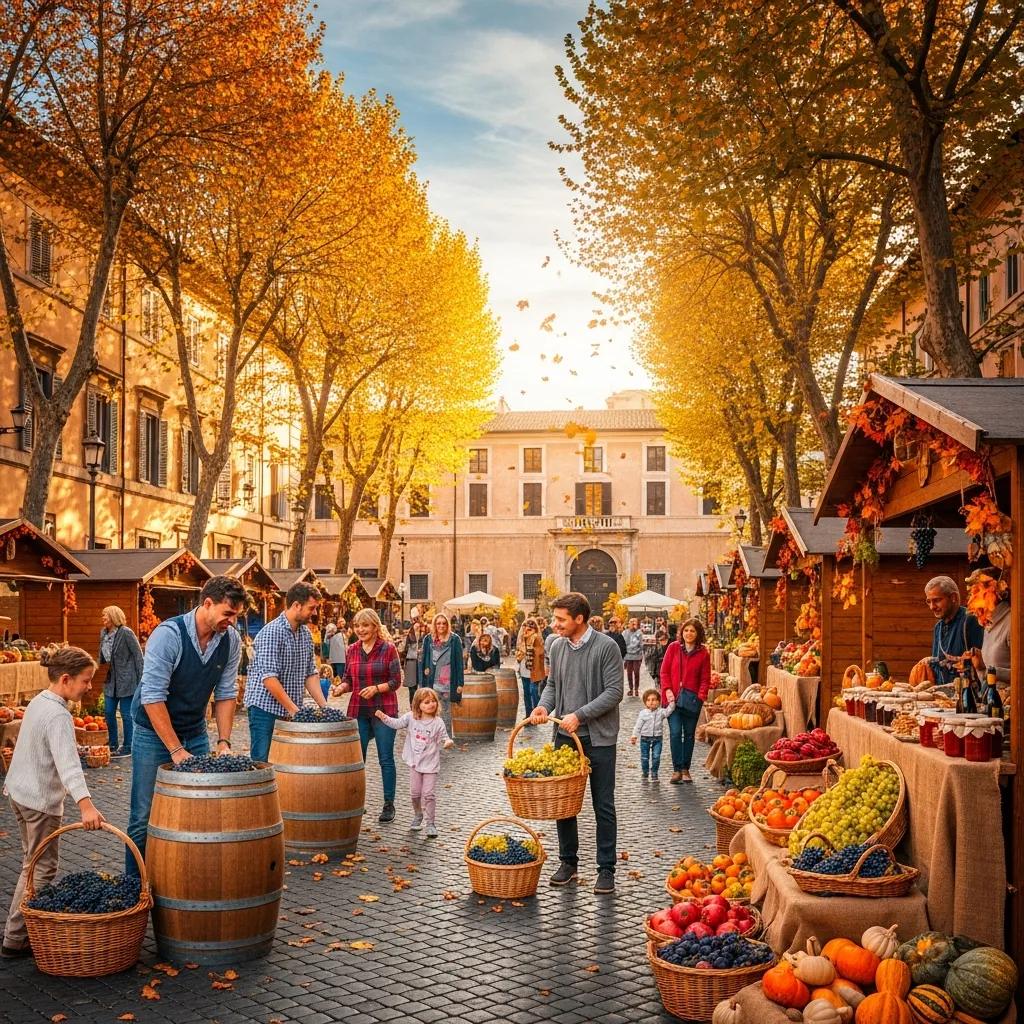
September and October are considered one of the best times to visit Rome, with September especially pleasant and settling into a more local rhythm as schools return while the weather stays warm and the city takes on beautiful autumn colors. The crowds begin to thin out after the summer peak, making it easier to explore the city. Prices for accommodations also drop after mid-September, providing better deals for travelers. This season is ideal for enjoying outdoor activities and cultural events, including grape harvest festivals and other key events in early autumn. The pleasant weather and lighter crowds create a perfect backdrop for exploring Rome's historical sites and vibrant neighborhoods.
November & December — Cozy Season
November and December bring cooler temperatures, especially in the northern regions, but the southern parts of Italy remain pleasant; November is also the rainiest month in Rome, averaging 108mm of rainfall, so a light jacket helps. November is typically quiet, making it a great time for those who prefer fewer crowds. As December approaches, the city transforms with a festive atmosphere shaped by lively markets and nativity scenes, while the religious calendar includes the immaculate conception on December 8. Visitors can enjoy the cozy atmosphere and partake in various holiday events. This season is perfect for those looking to experience Rome's charm during the festive period.
Overall Recommendations for Rome:
When planning your visit to Rome, consider the following recommendations for the best experience:
Best Times: April to June and September to October are the ideal time for pleasant weather and manageable crowds.
Booking Tips: Always book popular attractions in Vatican City in advance, including the Vatican Museums, to avoid long lines.
Travel Tips: Be prepared for varying weather conditions and pack accordingly, especially if visiting in the winter months.
What Are the Weather Conditions in Rome Throughout the Year?
Rome is a popular destination year round, with a Mediterranean climate marked by hot, dry summers and mild, wet winters. Average temperatures vary significantly across the seasons, which can influence the best time to visit.
Winter (December to February): Mild temperatures, averaging 8-15 6C, with occasional rain.
Spring (March to May): Warmer temperatures, ranging from 10-20 6C, with blooming flowers and increasing sunshine.
Summer (June to August): Hot temperatures, often exceeding 30 6C, with minimal rainfall.
Autumn (September to November): Pleasant temperatures, ranging from 10-20 6C, with beautiful fall foliage.
Understanding these weather patterns can help you choose the best time to visit based on your preferences for climate and activities.
When Are the Peak and Off-Peak Tourist Seasons in Rome?
The peak tourist season in Rome typically occurs during the summer months of July and August, when the city is bustling with visitors. Conversely, the off season generally covers the quieter stretch from late November into early March, when tourism slows.
Peak Season: July and August, characterized by high prices and large crowds.
Off-Peak Season: Often extending from late November to early March, this period usually brings better rates and lighter crowds.
Traveling during the off-peak season can provide a more relaxed experience, allowing for easier access to attractions and a more authentic feel of the city.
The dynamics of tourist seasons, especially peak periods, significantly influence the local accommodation landscape, including the proliferation of short-term rental options.
What Are the Benefits of Visiting Rome During Off-Peak Seasons?
Visiting Rome during the off-peak seasons offers several advantages:
Lower Prices: Accommodations and flights are generally cheaper, allowing for more budget-friendly travel.
Fewer Crowds: Attractions are less crowded, making it easier to explore and enjoy the city's historical sites.
Authentic Experience: With fewer tourists, visitors can experience the local culture and lifestyle more authentically.
These benefits make off-peak travel an appealing option for those looking to enjoy Rome without the hustle and bustle of peak tourist seasons.
What Cultural Events and Festivals Occur in Rome Each Month?
Rome is rich in cultural events and festivals throughout the year. Here are some notable events by month:
January: New Year's celebrations and Epiphany festivities.
February: Carnival celebrations, featuring parades and masquerade balls.
March: International Women's Day events and spring festivals.
April: Easter celebrations, including processions and special masses.
May: Rome's birthday celebrations with various cultural events.
June: Feast of St. Peter and St. Paul, featuring religious processions.
July: Summer festivals and outdoor concerts.
August: Ferragosto, a major holiday with various festivities.
September: Grape harvest festivals and cultural events.
October: Rome Film Fest and other cultural activities.
November: All Saints' Day celebrations and local fairs.
December: Christmas markets and holiday festivities.
These events provide a unique opportunity to experience Rome's vibrant culture and traditions.
How Can Travelers Optimize Accommodation and Tour Bookings by Season?
To optimize accommodation and tour bookings in Rome, consider the following strategies:
Book Early: Secure accommodations and popular tours well in advance, especially during peak seasons.
Flexible Dates: If possible, be flexible with your travel dates to take advantage of lower prices during off-peak times.
Local Insights: Utilize local travel resources and websites to find the best deals and recommendations for accommodations and tours.
By planning ahead and being strategic about your bookings, you can enhance your overall travel experience in Rome.
What Are the Best Hotel Deals Available in Different Seasons?
Hotel deals in Rome vary by season, with the best offers typically found during the off-peak months. Here are some general trends:
Winter (January-February): Significant discounts, often 20-50% off regular rates.
Spring (March-April): Moderate discounts, with prices starting to rise as crowds increase.
Summer (June-August): Highest prices due to peak tourist season, with limited deals.
Autumn (September-October): Prices drop after mid-September, offering good deals as crowds thin out.
Travelers can find the best hotel deals by booking during the off-peak season and utilizing comparison websites to find competitive rates.
Which Tours Are Recommended for Each Month Based on Weather and Crowds?
Selecting the right tours based on the month can enhance your experience in Rome. Here are some recommendations:
January-February: Indoor tours, such as museum visits, are ideal due to cooler weather. The Capitoline Museums are a strong choice on rainy days, and Galleria Borghese is another excellent option for art lovers. For cooler-weather sightseeing, the Vatican Museums also make sense, and the Sistine Chapel is a highlight worth prioritizing.
March-April: Outdoor walking tours to enjoy the blooming parks and pleasant temperatures.
May-June: Food-focused tours are a great fit for the warm weather and outdoor dining, often combining market visits, local tastings, and wine tastings in one experience.
July-August: Evening tours to avoid the heat and enjoy cooler temperatures.
September-October: Cultural tours, including festivals and local events, to experience the city's vibrant atmosphere.
November-December: Holiday-themed tours to enjoy the festive decorations and Christmas markets.
These tailored tours can help you make the most of your visit, ensuring you experience Rome's beauty in every season.
What Practical Travel Tips Should Visitors Know for Each Month in Rome?
Traveling to Rome requires some practical tips to ensure a smooth experience. Here are essential tips for each month:
January-February: Dress in layers to accommodate fluctuating temperatures and pack an umbrella for occasional rain.
March-April: Bring comfortable walking shoes for exploring the city and consider booking Easter events in advance.
May-June: Stay hydrated and wear sunscreen while enjoying outdoor activities.
July-August: Plan indoor activities during the hottest parts of the day and take advantage of evening events.
September-October: Enjoy the harvest season by trying local wines and foods at festivals.
November-December: Embrace the holiday spirit by visiting Christmas markets and participating in local festivities.
These practical tips can help visitors navigate Rome's unique seasonal challenges and enhance their travel experience.
How Should Travelers Prepare for Weather Variations and Crowd Levels?
To prepare for weather variations and crowd levels in Rome, travelers should:
Check Weather Forecasts: Stay updated on the weather to pack appropriately for your visit.
Plan for Crowds: Be aware of peak tourist times and consider visiting popular attractions early in the day or later in the evening.
Stay Flexible: Have alternative plans in case of unexpected weather changes or crowded attractions.
By preparing for these factors, travelers can enjoy a more comfortable and enjoyable experience in Rome.
What Safety and Compliance Measures Are Important When Visiting Rome?
When visiting Rome, it is essential to adhere to safety and compliance measures to ensure a secure trip. Here are some key considerations:
Stay Aware of Your Surroundings: Be vigilant in crowded areas to avoid pickpocketing.
Follow Local Regulations: Adhere to any local laws and guidelines, especially regarding health and safety protocols; even seasoned travelers should stay alert in busy transit hubs and tourist areas.
Emergency Contacts: Keep emergency contact numbers handy, including local authorities and your country's embassy.
By following these safety measures, travelers can enjoy their time in Rome with peace of mind.