Planning a Japan itinerary is one of travel's great pleasures — and one of its great challenges. The country is vast, the shinkansen network connects almost everywhere, and the temptation to over-schedule is real. This guide covers japan itineraries for 7, 10, and 14 days, plus individual Tokyo, Kyoto, and Osaka itineraries you can adapt and combine. Whether you have 10 days in Japan or two full weeks, these plans will help you get the most from your trip.
Japan Itinerary: Trip Essentials Before You Plan
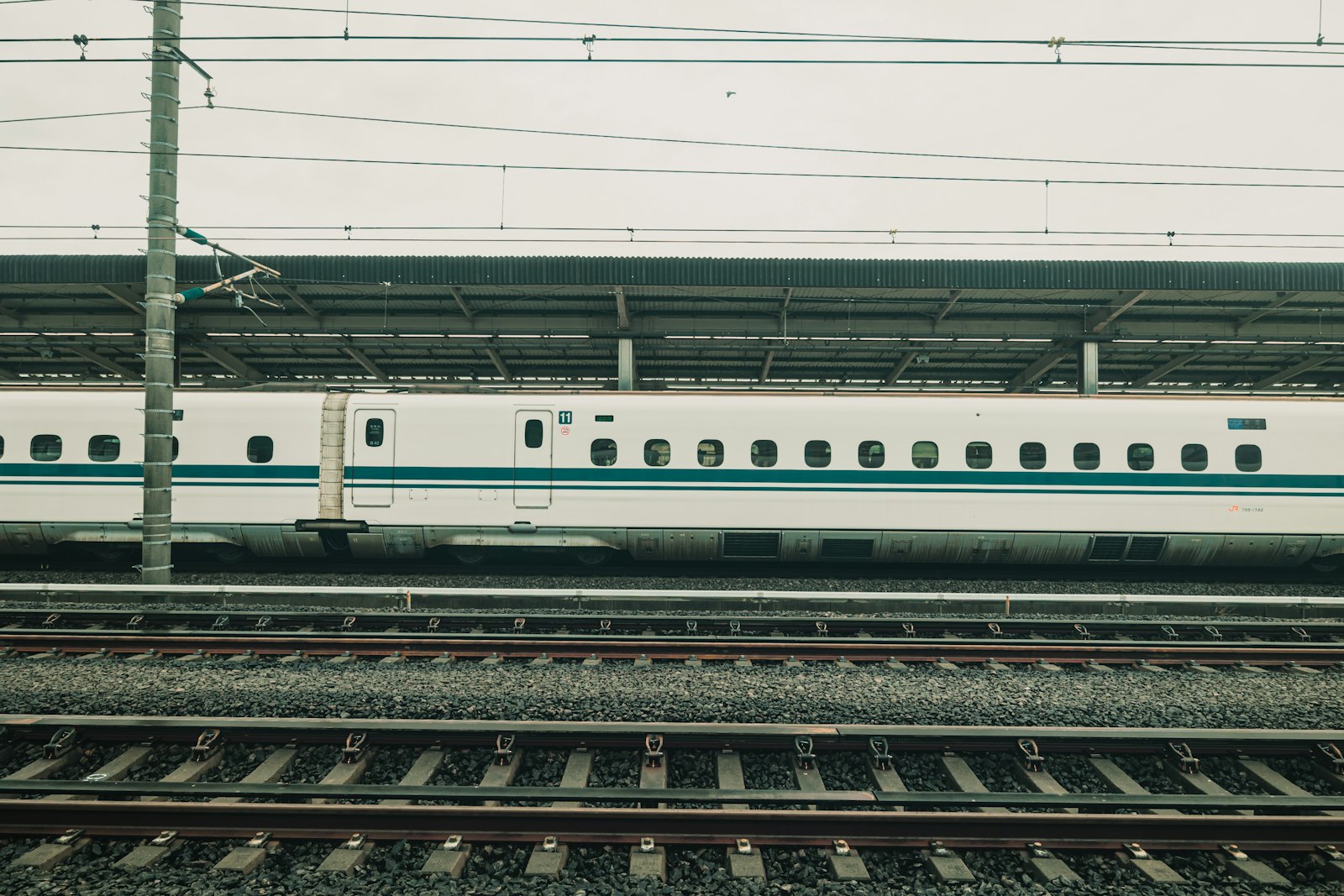
Japan Rail Pass: Buy before arriving. A 14-day pass (~¥70,000 / ~$470) covers all JR trains including most Shinkansen bullet trains. The Tokyo–Kyoto Shinkansen alone costs ¥13,000 one-way, so the pass can save money on any multi-city trip, and the network links most major cities.
Suica/Pasmo IC Card: A rechargeable transit card for metros, local trains, and convenience store payments. Get one at any major station on arrival, and use it for a local train within cities or short regional hops.
Book in advance: Cherry blossom (late March–April) and autumn foliage (mid-November) seasons see hotels sell out months ahead. Cherry blossom season is an especially busy time to visit Japan, so book early. TeamLab, Ghibli Museum, and popular restaurants require advance reservations at any time of year.
Some travelers may need a tourist visa before a trip to Japan, depending on nationality.
Tokyo and Osaka are major cities, but a good itinerary can also include a small city or other stops across the whole country.
Keep it flexible: Japan rewards spontaneous exploration. Don't schedule every hour — leave room for a recommendation from a ryokan host, a side street that looks interesting, or a ramen shop with a queue worth joining.
7-Day Japan Itinerary with Japan Rail Pass
Seven days is a tight but very rewarding introduction to Japan. Focus on Tokyo and Kyoto with day trips rather than trying to add more cities.
Days 1–3: Tokyo
Day 1: Arrive, recover, explore your neighborhood. Evening around Shinjuku Station, then Golden Gai and Omoide Yokocho.
Day 2: Shibuya (Sky observation, Shibuya Crossing), Harajuku (Meiji Shrine, Takeshita Street, Omotesando), Nakameguro for dinner.
Day 3: Asakusa (Senso-ji at dawn, Nakamise market, Yanaka old town, with traces of its old red light district atmosphere), optional stop at the Imperial Palace gardens, Akihabara, teamLab Borderless evening.
Day 4: Tokyo → Hakone
Morning: Shinkansen to Odawara, then continue by Hakone Tozan Railway or local train.
Afternoon: Hakone Loop (ropeway/cable car for Mount Fuji views, Owakudani volcanic valley, Lake Ashi pirate ship).
Evening: Ryokan check-in, outdoor hot springs, kaiseki dinner; some properties have their own hot springs. Stay overnight.
Days 5–7: Kyoto
Day 5: Arrive by Shinkansen. Afternoon: Fushimi Inari Shrine torii gates (arrive by 4pm for the best light). Evening: Gion district walk.
Day 6: Head west to Arashiyama (bamboo grove at 7am, Tenryu-ji garden, Jojakko-ji, and the monkey park if you want a quick scenic detour), Philosopher's Path, Eikan-do or Nanzen-ji.
Day 7: Kinkaku-ji (Golden Pavilion), Nijo Castle, Nishiki Market for lunch. Afternoon Shinkansen back to Tokyo for departure, or fly home from Kansai Airport in the nearby city of Osaka (75 min from Kyoto).
10-Day Japan Itinerary including Mount Fuji
Ten days in Japan is the sweet spot — enough time to do Tokyo and Kyoto justice, add Osaka and Hiroshima, and take at least one significant day trip.
Days 1–3: Tokyo
Day 1: Arrive via Tokyo Station if needed, then Shinjuku evening.
Day 2: Shibuya, Harajuku, Meiji Shrine, Omotesando. teamLab Borderless (book ahead).
Day 3: Asakusa, once known as part of Tokyo’s old red light district, Tokyo Skytree, Ueno (museums), Akihabara. Day trip option: Kamakura (Great Buddha, coastal temples).
Day 4: Hakone day trip or overnight
Hakone Loop with the Hakone Free Pass, Mt. Fuji views from Lake Ashi, and if you stay overnight, enjoy the area’s hot springs at an outdoor onsen ryokan (recommended) or return to Tokyo.
Days 5–7: Kyoto
Day 5: Fushimi Inari (early morning), Gion district evening.
Day 6: Arashiyama bamboo grove (dawn), Tenryu-ji, Philosopher's Path, Nanzen-ji.
Day 7: Kinkaku-ji, Nijo Castle, Nishiki Market, and time for a Japanese garden atmosphere between stops. Day trip to Nara: Nara Park, Todai-ji Temple, and the sacred deer.
Days 8–9: Osaka
Day 8: Arrive by bullet train (15 min from Kyoto). Osaka Castle, Kuromon Market, Shinsekai, Dōtonbori street food evening.
Day 9: Namba, Shinsaibashi shopping, Hozenji Yokocho alley. Optional: Universal Studios Japan (book in advance), or book a dinner centered on Kobe beef.
Day 10: Hiroshima day trip or departure
Day trip from Osaka: Peace Memorial Park, Peace Memorial Museum, Atomic Bomb Dome, and a sobering look at the city’s World War II history, then ferry to Miyajima Island and floating torii gate. Return to Osaka for overnight, fly home next day. Or fly from Hiroshima Airport directly.
14-Day Japan Itinerary (2-Week Japan Itinerary) for Cherry Blossom Season
Two weeks in Japan allows a fuller experience of each city, genuine off-the-beaten-path exploration, and a broader trip through Japan’s big cities with deeper immersion in Japanese culture and japan's cultural heritage. You can also start and finish in the same city to simplify flights.
Days 1–4: Tokyo
Day 1: Arrive. Shinjuku evening walk.
Day 2: Shibuya Sky + Scramble, Harajuku, Meiji Shrine, Nakameguro.
Day 3: Asakusa (dawn at Senso-ji), Yanaka, Ueno museums, teamLab Borderless evening.
Day 4: Day trip to Kamakura (Great Buddha, Hase-dera, coastal hiking trails).
Days 5–6: Hakone & Mt. Fuji
Day 5: Train to Hakone, with a green car upgrade if you want a more comfortable rail leg. Hakone Loop, Owakudani, and a scenic ropeway ride. Check into mountain ryokan.
Day 6: Mt. Fuji views from Kawaguchiko (clear morning); the mountain is also a UNESCO World Heritage Site. Shinkansen to Kyoto afternoon.
Days 7–9: Kyoto
Day 7: Fushimi Inari (dawn), Gion evening.
Day 8: Arashiyama, bamboo grove, Hozu River ride, Kinkaku-ji.
Day 9: Philosopher's Path, Nanzen-ji, Nijo Castle, Nishiki Market, with a pace shaped by classic Japanese garden aesthetics. Evening: sake tasting in Fushimi district.
Day 10: Kyoto day trip — Nara or Kurama
Nara: Nara Park, Todai-ji, Kasuga Taisha, and Naramachi old town in Japan’s permanent capital during the 8th century. Or Kurama mountain temples and Kibune river restaurants.
Days 11–12: Osaka
Day 11: Osaka Castle, Kuromon Market, Shinsekai kushikatsu.
Day 12: Arrive by bullet train, the easiest way to travel from Kyoto to Osaka or handle longer intercity hops on this route. Namba street food, Dōtonbori canal cruise, Tempozan Aquarium or Universal Studios Japan.
Days 13–14: Hiroshima & Miyajima
Day 13: Shinkansen to Hiroshima (1h from Osaka). Peace Memorial Museum, Atomic Bomb Dome, and Peace Memorial Park. Hiroshima-style okonomiyaki for dinner.
Day 14: Full day on Miyajima Island — Itsukushima Shrine, Mt. Misen hike, deer, momiji manju. Ferry back, Shinkansen to Osaka or Kyoto for departure flight.
Tokyo Itinerary: 3 Days in Tokyo for First Time Visitors
Day 1 — East Tokyo: Senso-ji temple at 7am (before crowds), Nakamise shopping street, Yanaka old town walk, Ueno Park and National Museum, Akihabara electronics and arcade evening.
Day 2 — West Tokyo: Meiji Shrine morning walk, Harajuku (Takeshita Street, Omotesando architecture), Shibuya Crossing + Shibuya Sky at sunset, Shibuya or Shinjuku Station area for dinner and Golden Gai bars.
Day 3 — Culture & Views: Tsukiji Fish Market breakfast (arrive 7am) for japanese food and quick bites from food stalls, teamLab Borderless (book ahead), Imperial Palace gardens as a short stop before Odaiba or after teamLab, Odaiba afternoon (Gundam, Ferris wheel), Tokyo Tower or Tokyo Skytree for city panorama at night.
Kyoto Itinerary: 3 Days in Kyoto
Day 1 — Eastern Kyoto: Fushimi Inari Shrine at 6am (beat the crowds), Kiyomizudera temple, Higashiyama stone-paved lanes, Gion at dusk.
Day 2 — Western Kyoto: Head west to Arashiyama for the bamboo grove at dawn, then Tenryu-ji garden, Jojakko-ji, and Nison-in. Afternoon: Kinkaku-ji (Golden Pavilion), Ryoan-ji rock garden.
Day 3 — North & Central Kyoto: Start from Kyoto Station for easy access to these areas or onward day trips. Philosopher's Path (Nanzen-ji to Ginkaku-ji), Nijo Castle, Nishiki Market lunch, tea ceremony experience, and Daitoku-ji temple complex for a quiet afternoon; several of these sights can be sampled in a few hours if grouped efficiently.
Osaka Itinerary: 2 Days in Osaka
Day 1 — History & Food: Osaka Castle morning, Kuromon Ichiba Market lunch, Shinsekai retro neighborhood + kushikatsu, Dōtonbori canal cruise evening, street food marathon (takoyaki, okonomiyaki), with Kobe beef as an optional dinner splurge if you want a more upscale finish.
Day 2 — Culture & Neighborhoods: Sumiyoshi Taisha Shrine (Osaka's oldest), Tsuruhashi Korean market for yakiniku lunch, Namba and Shinsaibashi shopping afternoon, Hozenji Yokocho alley for drinks, rooftop bar for city views. Osaka also works well as a base because Kyoto is a nearby city you can reach quickly by train, and Namba is easy to navigate from the main train station.