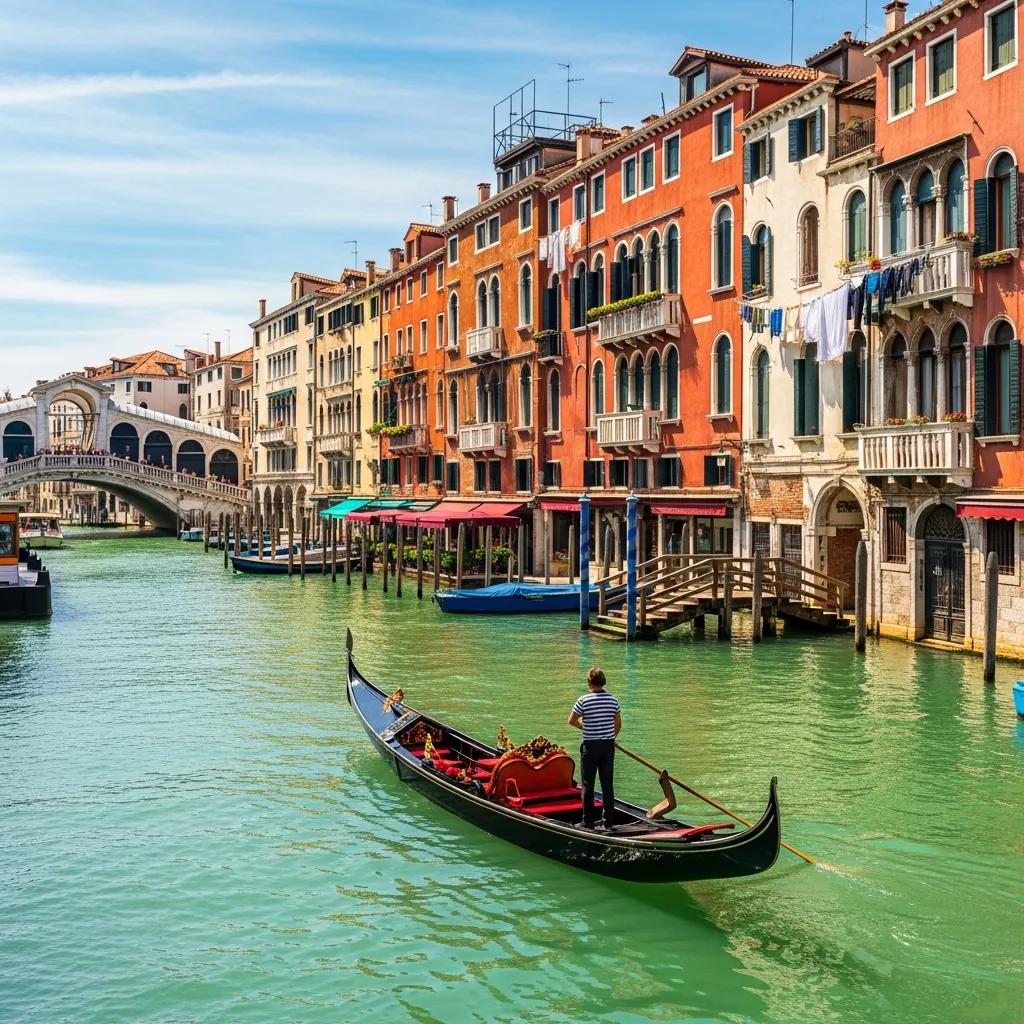
Experience a captivating 3-day itinerary in Venice, filled with hidden gems, stunning sights, and culinary delights. Perfect for any traveler seeking adventure.
The Perfect Venice Itinerary How to Spend 2 3 Days in the Floating City: Exploring Venice's Landmarks, Hotels, and Tours
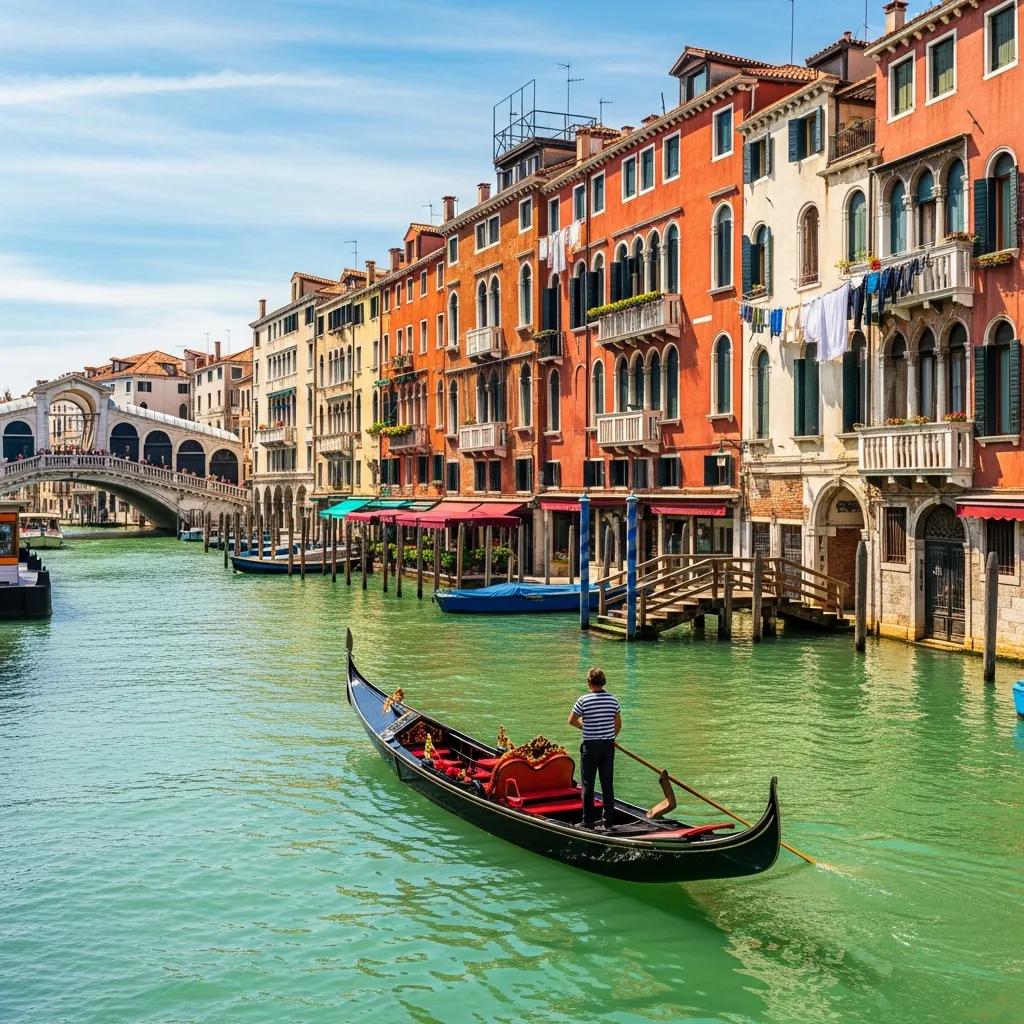
Venice, the enchanting floating city, is a treasure trove of history, art, and culture, making it a must-visit destination for travelers. This comprehensive guide will help you navigate the best ways to spend 2-3 days in Venice, ensuring you experience its iconic landmarks, delightful cuisine, and unique accommodations. Many visitors struggle with planning their itinerary, often missing out on key attractions or spending too much time in one area. This article provides a well-structured itinerary that balances sightseeing with leisure, allowing you to immerse yourself in the beauty of Venice. We will explore must-see attractions, suggest daily activities, recommend accommodation options, and offer practical tips for navigating the city.
What Are the Must-See Attractions in Venice for a 2-3 Day Visit?
Venice is renowned for its stunning architecture and rich cultural heritage, making it essential to prioritize your sightseeing. The city boasts numerous attractions that reflect its unique history and charm.
Which Landmarks Should You Visit on Day 1?
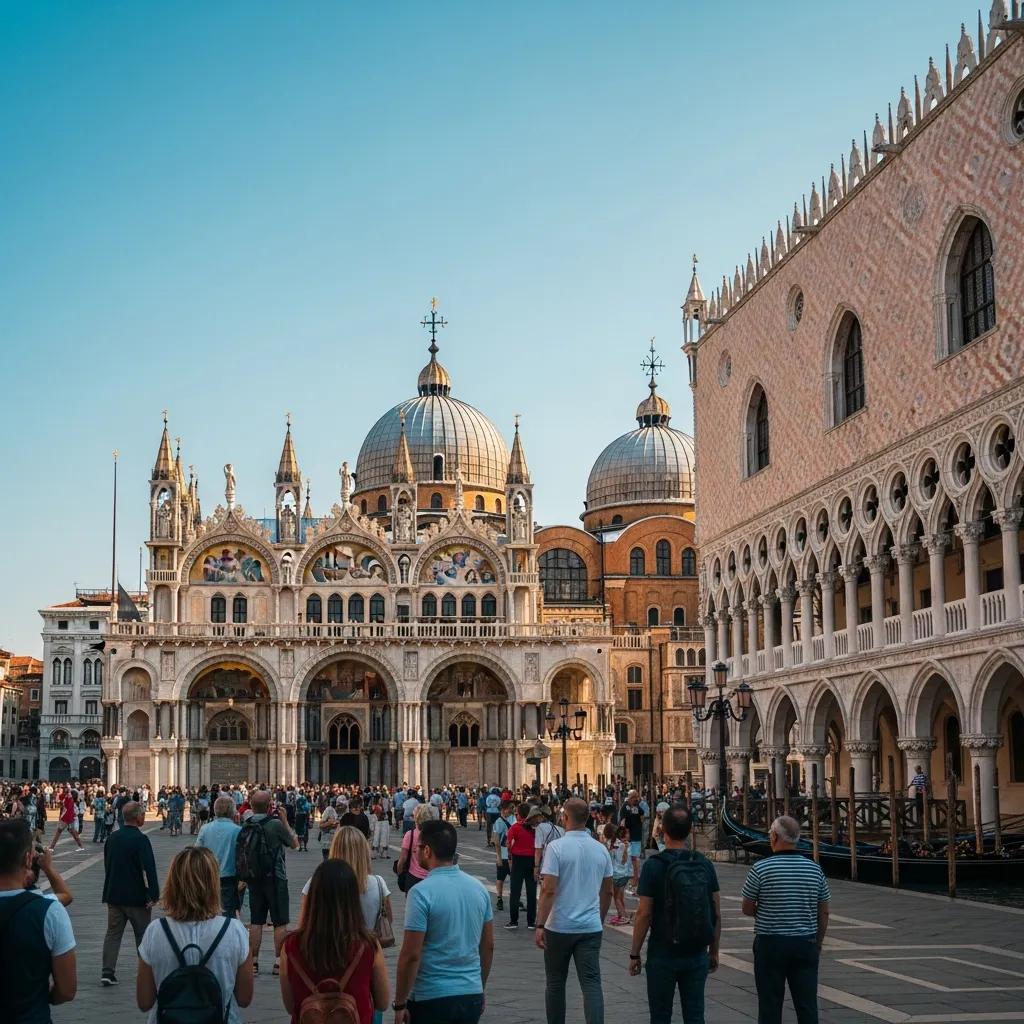
On your first day in Venice, start with the iconic "St. Mark's Basilica", a masterpiece of Byzantine architecture that dates back to the 9th century and remains one of the city's major sights. Book advance tickets, or a timed entry ticket if available, for the basilica and the nearby Doge's palace to avoid long queues. Next, head to the Doge's Palace, once the residence of the Doges and a symbol of the Venetian Republic, where you can explore the opulent rooms and learn about the city's political history. The Bridge of Sighs is the famous bridge connected to the palace and an easy stop on this route. Saint Mark's Square, or Piazza San Marco, is best visited in the early morning or other off-peak hours, when tour groups and day trippers thin out and the morning light is best for photos. In the same area, don't miss the campanile bell tower, which rises 323 feet for sweeping city views, and the 15th-century Clock Tower facing saint mark's. Inside, look for golden mosaics covering the domes and chapels, including images of the Virgin Mary, which give this drawing room of Venice much of its glow. If it's your first trip, a Tour St route through the square helps you cover the essentials efficiently. Afterward, take a leisurely stroll to the Rialto Bridge, the oldest bridge over the Grand Canal and one of the most famous landmarks in Venice, offering picturesque views of the water. Finally, consider a gondola ride through the serene canals to experience the city from a different perspective.
The unique architectural style of St. Mark's Basilica is a testament to Venice's rich historical and cultural influences.
Discover Basilica di San Marco's Byzantine Art
More than any other building in Venice, the Basilica di San Marco (figure 1) incorporates many Byzantine and Islamic architectural, artistic, and design elements. These stylistic elements were not only intended to glorify God but to promote the Venetian Republic’s political and religious ideologies.
Byzantine and Islamic Influences on the Art and Architecture of the Basilica di San Marco in Venice, 2021
What Are Key Sites for Days 2 and 3?
For your second day, visit the Peggy Guggenheim Collection in Dorsoduro, home to the peggy guggenheim museum, which houses an impressive collection of modern art, including works by Picasso and Pollock. Following this, explore the Accademia Gallery to admire Venetian masterpieces; Dorsoduro also offers a local atmosphere and feels quieter at night. On your final day, take a trip to the Murano and Burano islands. If you want to explore venice beyond the islands, spend part of the day in Cannaregio, known as Venice’s historic Jewish Quarter and home to the jewish ghetto. Established in 1516 as the first ghetto in the world, this area is popular with locals and has excellent restaurants. Murano is famous for its glass-making, while Burano is known for its colorful houses and lace-making tradition. These excursions provide a delightful contrast to the bustling city center and showcase the unique culture of the Venetian lagoon.
The islands of Murano and Burano exemplify Venice's enduring legacy of exquisite craftsmanship, preserving ancient traditions that continue to captivate visitors. If you have extra time, stop by Libreria Acqua Alta, a quirky bookstore where books are stored in boats. Venice also hosts the Biennale every two years in the gardens for travelers interested in contemporary culture.
Venice Craftsmanship: History, Culture & Tourism
Ma dietro un lavoro manuale c’è il prestigio di una tradizione secolare: ci devono essere incentivi fiscali e valorizzazioni delle competenze, ed investimenti nella formazione di giovani maestri che apprendano abilità manuali, tecniche e conoscitive che tutto il resto del mondo ci invidia da secoli. Il settore manifatturiero italiano è un distretto ricco e vivace, dinamico ed interessante per chi, ora come non mai, ricerca storia e cultura in quello che compra.
Venice Lifestyle versus Venice Mind Style: la valorizzazione dell'artigianato per lo sviluppo turistico locale, 2014
How Can You Plan a Detailed Day-by-Day Venice Itinerary?
Creating a detailed itinerary can enhance your experience in Venice, ensuring you make the most of your time.
Effective itinerary planning is crucial for maximizing your time and experience in a bustling city like Venice, allowing for optimized exploration and enjoyment.
Efficient Urban Itinerary Planning for Tourists
of tourist itinerary planning, orienteering-based routing, and multimodal urban mobility. This optimization may also help distribute tourist flows through timing or diversification strategies.
Multimodal Urban Itineraries under Budget and Time-Window Constraints: A Real-World Application in Istanbul, M Elyasi, 2026
What Activities and Tours Are Recommended Each Day?
Each day should include a mix of cultural activities and leisure time. For example, on Day 1, after visiting the major landmarks, consider joining a guided food tour to sample local delicacies such as cicchetti, Venetian-style tapas and affordable snacks served at bacari bars, along with Venetian wines. Cantine del Vino già Schiavi is a great stop for cicchetti and an Aperol spritz. Al Botegòn is another popular bacari for cicchetti and wine. For a more authentic dinner, choose small family-run trattorias such as Osteria Anice Stellato for traditional Venetian cuisine. Avoid restaurants with photo menus and aggressive hosts, which are often a tourist trap. Also skip souvenir shopping around St. Mark's Plaza, where prices are usually inflated rather than true Venetian classics. On Day 2, you might enjoy a guided art tour that delves into the history of the city's famous artists. Finally, on Day 3, take a boat tour to the islands, allowing you to relax and enjoy the scenic views.
How to Balance Sightseeing with Leisure Time?
To balance sightseeing with leisure, allocate specific time slots for each activity while leaving room for spontaneous exploration; Venice is entirely walkable, and most points in the historic centre are within about 45 minutes on foot. For instance, after visiting a museum, take a break at a local café to enjoy a coffee and people-watch. To really experience Venice, wander the historic centre in the early morning or late evening, when it feels most magical and calm before the crowds build. This approach allows you to absorb the atmosphere of Venice without feeling rushed.
What Are the Best Accommodation Options in Venice?
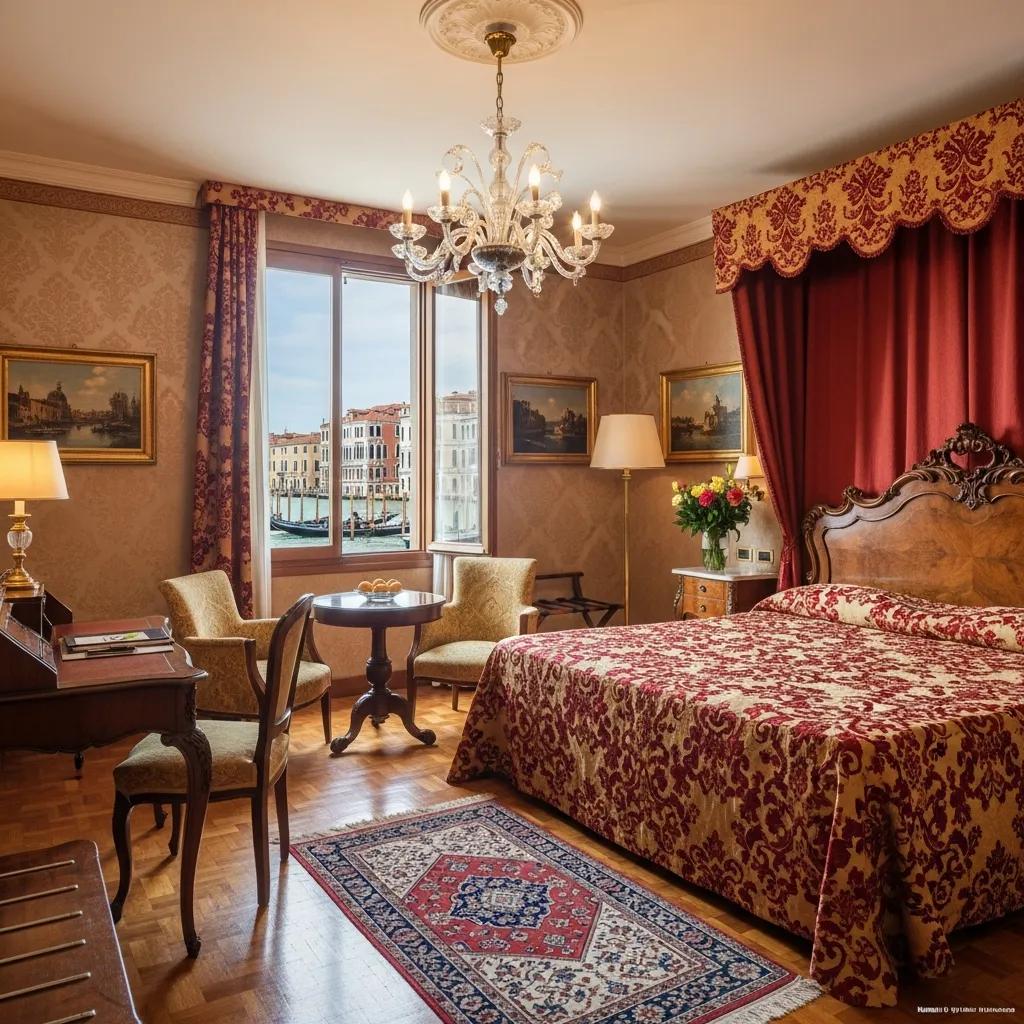
Choosing the right accommodation can significantly enhance your stay in Venice. The city offers a variety of options, from luxury hotels to charming guesthouses; while San Marco is convenient for the major sites, Cannaregio often provides a more authentic Venetian experience and is popular with locals with good restaurants, while Dorsoduro has a stronger local atmosphere and is quieter at night.
Which Hotels Offer Convenient Access to Major Attractions?
Several hotels provide excellent access to Venice's main attractions. For instance, "Hotel Danieli" is located near St. Mark's Square, making it a perfect base for exploring the city centre of venice city. Another great option is Gritti Palace, which overlooks the Grand Canal and offers luxurious amenities with easy reach of san polo. For budget travelers, Hotel Antiche Figure provides comfortable accommodations close to the Santa Lucia train station, making it easy to navigate the city. If you want a more authentic Venetian base, stay in Cannaregio, the historic Jewish Quarter. Dorsoduro is also a smart choice for easy access to culture, with a local atmosphere and quieter nights.
How to Choose Hotels Based on Location and Amenities?
When selecting a hotel, consider factors such as proximity to major attractions, public transportation access, and available amenities. Look for hotels that offer breakfast, free Wi-Fi, and concierge services to enhance your stay. In central Venice, rooms are often compact by Venice standards, so it’s smart to prioritize neighborhood feel and easy walking access over extra space. Reading reviews from previous guests can also provide valuable insights into the quality of service and overall experience.
How Do Venice Tours Enhance Your 2-3 Day Experience?
Guided tours can significantly enrich your visit to Venice, providing expert insights and unique experiences.
What Types of Guided Tours Are Available in Venice?
Venice offers a variety of guided tours, including walking tours, boat tours, and food tours. Walking tours often focus on the city's history and architecture, while boat tours provide a unique perspective of the canals, and some travelers also choose a water taxi or private water taxi for faster, more direct transfers. Food tours allow you to sample local cuisine and learn about Venetian culinary traditions, making them a favorite among visitors. Some visitors also book a Tour St. Mark's / Doge's Palace experience in advance to cover the major sights efficiently. A gondola ride costs €90 for 30 minutes during the day.
How to Book Gondola Rides and Unique Experiences?
Booking gondola rides and other unique experiences can be done through various platforms or directly at the gondola stations, and it's smart to get advance tickets for top experiences as well as gondola rides; for major sights, a timed entry ticket helps avoid long queues. It's advisable to book in advance, especially during peak tourist seasons, to secure your spot. Additionally, consider opting for a guided gondola ride that includes a tour of the hidden canals; standard daytime rates are about €90 for 30 minutes, and some routes pass through narrow canals for a more immersive experience. In peak periods, book early to secure your preferred departure time or route.
What Practical Tips Should Travelers Know for Visiting Venice?
Navigating Venice can be challenging due to its unique layout and transportation options. Here are some practical tips to enhance your visit.
How to Navigate Venice’s Transportation System Efficiently?
Venice's public transportation system includes vaporetti (water buses) that connect various parts of the city and surrounding islands; a single vaporetto ticket costs €9.50 and is valid for 75 minutes. Ferries generally run from about 5:00 am until midnight. If you're arriving via Marco Polo Airport, you can reach the main island by vaporetto, bus, or water taxi. Purchasing a Venice Card or a 48-hour vaporetto pass, which costs around €40, can be better value for unlimited rides. Additionally, walking is often the best way to explore the city, as the historic centre is highly walkable and most points are under 45 minutes apart.
What Safety and Local Customs Should Visitors Observe?
While Venice is generally safe for tourists, it's essential to remain vigilant, especially in crowded areas. Spring and autumn are generally the best seasons to visit this tiny island city in northeastern Italy, and they suit both a short stay and 2 days in Venice. Mid-October is a great pick for pleasant weather; avoid a summer day trip if you can, since temperatures can top 100°F and the biggest crowds often come with day trippers from cruise ships. Winter floods can affect low-lying areas along the Adriatic Sea. Be aware of local customs, such as dress codes for visiting churches and respectful behavior in public spaces. Familiarizing yourself with basic Italian phrases can also enhance your interactions with locals and enrich your travel experience. Carnival in February is one of Venice's major festivals, so expect a very different atmosphere and busier conditions.