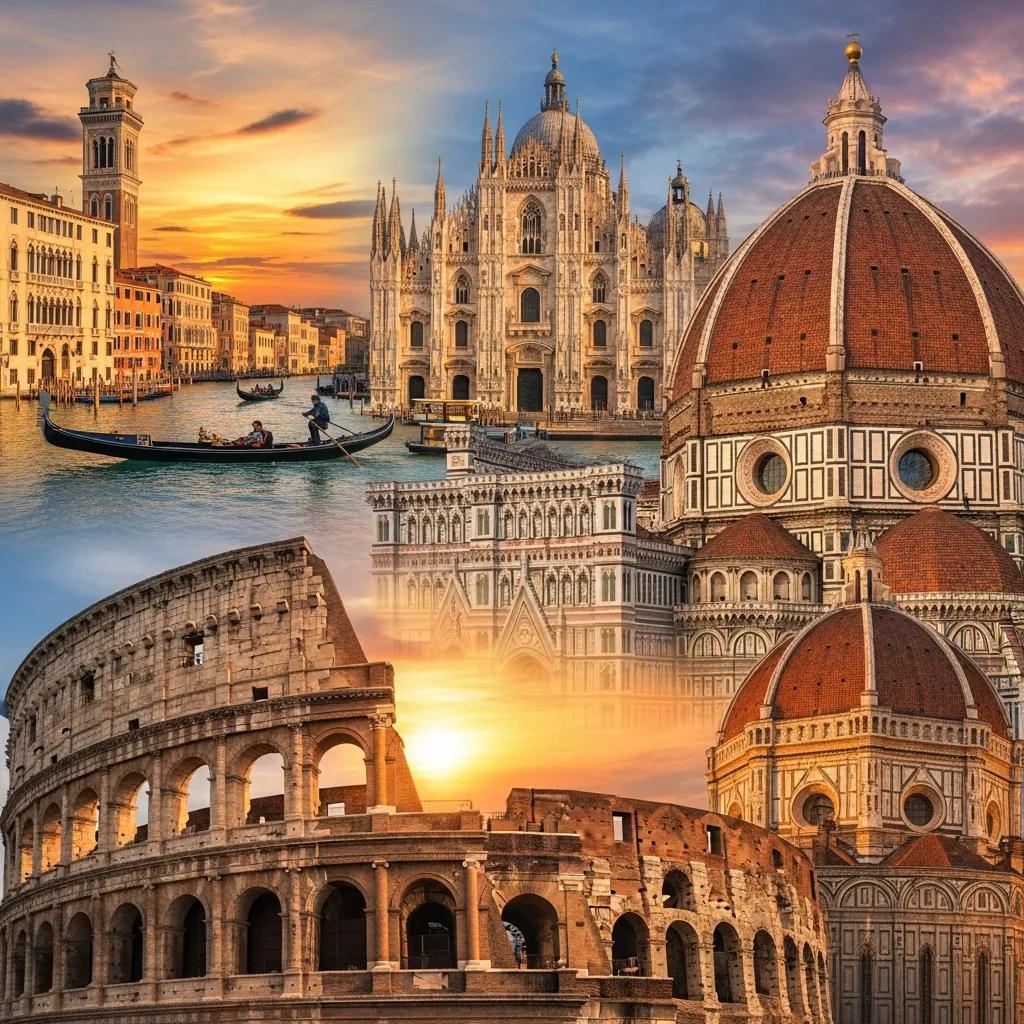
Unlock the secrets of Italy with this ultimate itinerary hub. Travelers can find tailored suggestions that elevate their journey and enhance their experience.
The Ultimate Italy Itinerary Hub: Best Places to Visit and Travel Planning Guide
Planning a trip to Italy can be an exhilarating yet daunting task, given the country's rich history, diverse culture, and stunning landscapes. This ultimate Italy travel guide aims to simplify your travel planning by providing a comprehensive overview of must-see destinations, cultural experiences, and practical tips for navigating Italy. Whether you're a first-time visitor or a seasoned traveler, you'll discover valuable insights into creating the perfect Italy itinerary. From iconic cities like Rome and Florence to hidden gems along the Amalfi Coast, this article will help you craft an unforgettable journey. We will explore essential travel logistics, accommodation options, and recommended tours to enhance your experience, and before departure, you should review the trip details and confirm all the details.
What Are the Must-See Destinations in a 10-Day Italy Itinerary?
Italy is a treasure trove of cultural landmarks and breathtaking scenery, making it essential to prioritize your destinations. A well-planned 10-day itinerary can include a mix of iconic cities and picturesque towns, with two nights in some major stops to balance depth and variety. Key destinations to consider are:
Rome: The capital city, known for its ancient history and vibrant culture.
Florence: The heart of the Renaissance, filled with art and architecture.
Venice: The floating city, famous for its canals and romantic ambiance.
Milan: A global fashion hub with a rich historical backdrop.
Amalfi Coast: Renowned for its stunning coastal views, charming villages, and lemon groves.
These destinations offer a blend of historical significance, artistic heritage, and culinary delights, and Cinque Terre is another standout for scenic coastal travel, making them essential stops on your Italian adventure.
Which Italian Cities Should You Include: Rome, Florence, Venice, and Milan?
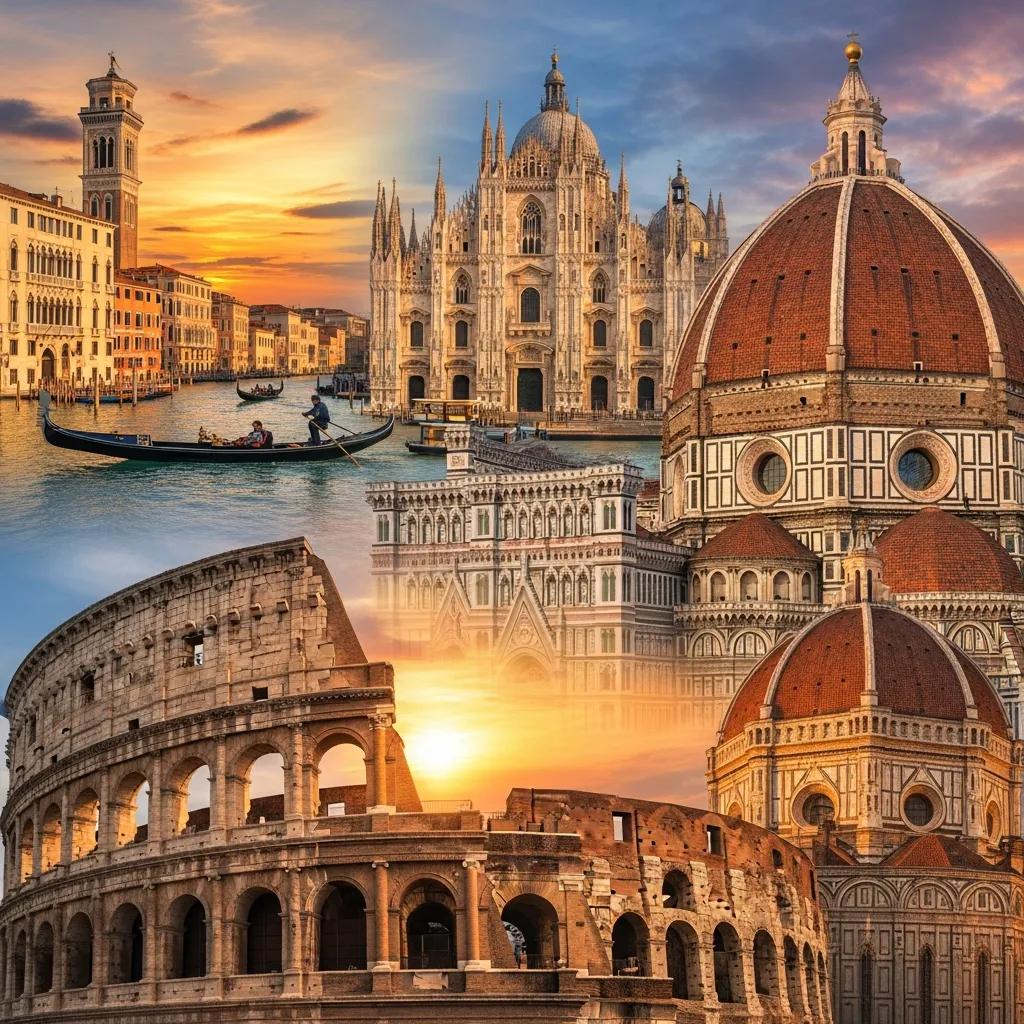
When planning your itinerary, including major cities like Rome, Florence, Venice, and Milan is crucial. Each city boasts unique attractions that contribute to Italy's cultural tapestry.
Key attractions in each city
Rome: The Colosseum, Vatican City, the Pantheon, and the Roman Forum are must-visit sites that showcase the city's ancient history.
Florence: The Uffizi Gallery, Florence Cathedral, Ponte Vecchio, the Accademia Gallery, Michelangelo's David, and Piazza della Signoria highlight the city's Renaissance art and architecture.
Venice: St. Mark's Basilica, St. Mark's Square, Doge's Palace, the Grand Canal, and the Rialto Bridge offer a glimpse into the city's enchanting waterways.
Milan: The Duomo, Galleria Vittorio Emanuele II, and Sforza Castle reflect Milan's historical and modern significance.
These cities not only provide iconic sights but also immerse you in Italy's rich cultural heritage.
What Key Attractions Define Each City’s Cultural and Historical Experience?
Each city in Italy is defined by its unique attractions that reflect its cultural and historical significance.
Rome: The ancient ruins and religious sites, such as the Vatican, offer insights into the city's historical importance and the legacy of ancient Rome.
Florence: Renowned for its art museums and architectural masterpieces, Renaissance Florence is a testament to the period's enduring influence.
Venice: The intricate canal system, hidden canals, and historic buildings create a distinctive atmosphere that is unlike any other city.
Milan: A blend of historical landmarks and modern architecture showcases Milan's evolution as a cultural and economic center.
Understanding these attractions helps travelers appreciate the depth of Italy's history and culture.
How Can You Plan Your Italy Trip Efficiently with a 2-Week Itinerary?
A 2-week itinerary allows for a more leisurely exploration of Italy, providing ample time to delve into each destination.
Week 1: Start in Rome, spending 3-4 days exploring its historical sites, and leave a free afternoon for independent wandering. Then, travel to Florence for 2-3 days to immerse yourself in art and culture.
Week 2: Head to Venice for 2 days, with some free time beyond the main sightseeing schedule, followed by a visit to Milan for 2 days. Finally, consider a trip to the Amalfi Coast for relaxation and stunning views, which can also work as a day trip depending on your pace and base city.
This structure ensures you experience the highlights of each city while allowing for spontaneous adventures.
What Is the Best Route from Rome to Florence and Beyond?
Traveling from Rome to Florence can be done efficiently via high-speed train, which takes approximately 1.5 hours. Major train stations can involve stairs, multiple platforms, and luggage management during transfers. This route not only saves time, offers scenic views of the Italian countryside, and makes it easy to reach the city centre after arrival.
Indeed, the efficiency of Italy's high-speed rail network significantly enhances the travel experience, impacting tourism and accessibility across major locations.
High-Speed Rail's Impact on Italian Tourism & Accessibility
This paper presents an empirical analysis of the impact that the improved accessibility of major Italian locations served by the high-speed railway has had on tourism flows, and on specific aspects of tourism, such as length of stay. The applied methodology is based on the panel data approach, using both open official statistical data on the tourism supply and demand and railway market data. An accessibility indicator based on journey times is used for measuring high speed rail accessibility.
The relationship between high-speed rail accessibility and tourism demand: The case study of Italy, I Lopresti, 2015
Travel options
High-speed trains: The most convenient and fastest option for intercity travel.
Regional trains: A more economical choice, though slower and less frequent.
Rental cars: Ideal for those wishing to explore the countryside at their own pace, especially on scenic drives through rolling hills.
When combining rail, car, or organized transfers, check where the tour starts and confirm departure times carefully.
Choosing the right transportation method can significantly enhance your travel experience.
Which Transportation Options Optimize Your Italy Travel Experience?
To optimize your travel experience in Italy, consider the following transportation options:
High-speed trains: Efficient for long distances, connecting major cities quickly.
Public transport: Buses and trams in cities like Rome and Florence are affordable and convenient.
Walking: Many historic centers are pedestrian-friendly, with key sights within walking distance, allowing you to explore at your leisure.
In larger cities, local guides or a guided walking tour can make orientation much easier.
These options provide flexibility and ease, ensuring you can navigate Italy's diverse landscapes effortlessly.
What Accommodation Options Are Recommended for Your Italy Travel Guide?
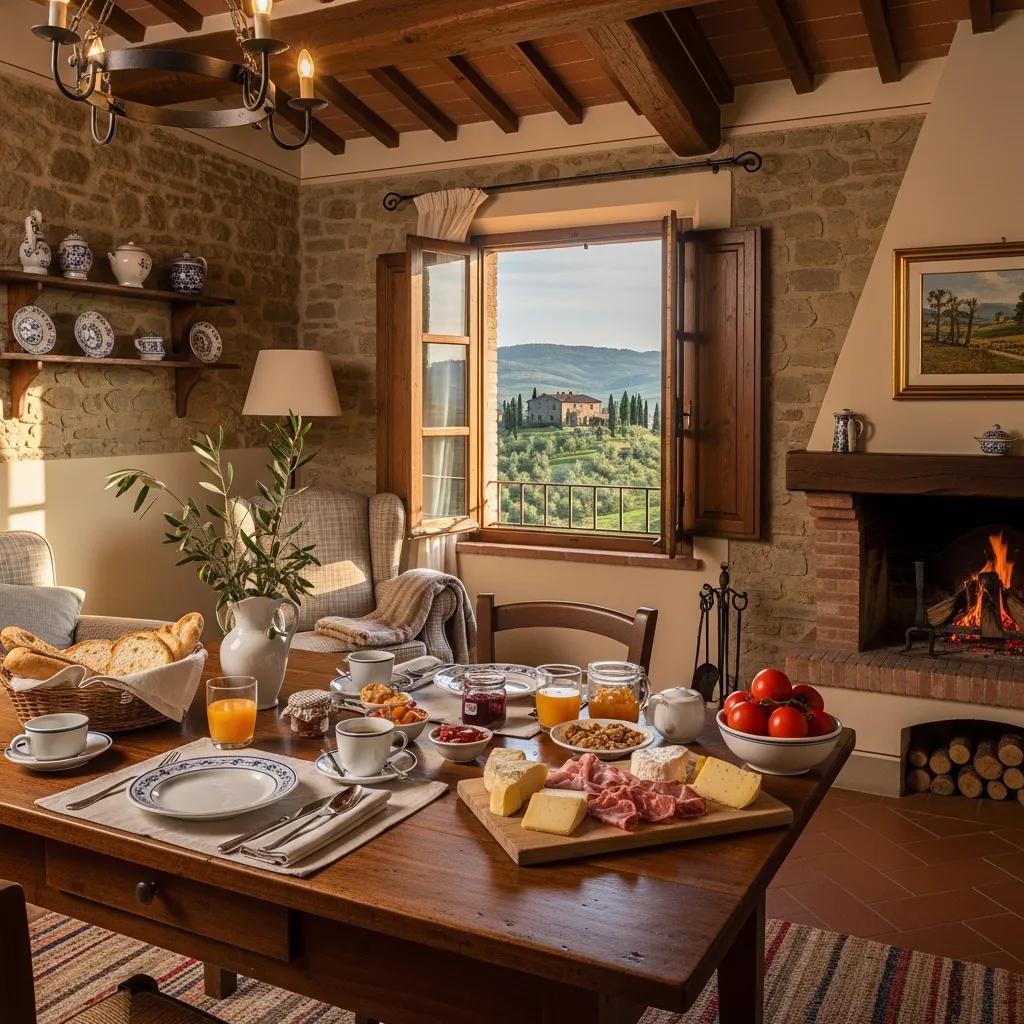
When it comes to accommodation in Italy, travelers have a variety of options to suit different preferences and budgets.
Hotels, B&Bs, and Apartments
Hotels: Offer a range of amenities and services, and a hotel can be ideal for those seeking comfort, convenience, and a good location.
B&Bs: Provide a more personal touch, often with local insights and breakfast included.
Apartments: Great for families or groups, offering more space, the option to cook, and appeal for travelers who prefer the privacy of their own room.
Choosing the right type of accommodation can enhance your overall travel experience.
How to Choose Between Hotels, B&Bs, and Apartments in Major Cities?
Selecting the best accommodation type depends on your travel style and needs.
Pros of Hotels: Typically offer more amenities, such as room service and concierge services.
Pros of B&Bs: Often provide a cozy atmosphere and personalized service, along with local breakfast options.
Pros of Apartments: Allow for greater flexibility, especially for longer stays, and can be more cost-effective for larger groups.
Consider your priorities, such as budget, location, and desired amenities, when making your choice.
What Are Trusted Booking Platforms for Secure and Compliant Reservations?
When booking accommodations in Italy, using trusted platforms ensures secure and compliant reservations. Popular options include:
Booking.com: Offers a wide range of accommodations with user reviews.
Airbnb: Ideal for unique stays and local experiences.
Expedia: Provides package deals that can save money on flights and hotels.
Arrange travel insurance separately before finalizing any reservations. Also, budget for personal expenses not covered by your bookings or package.
These platforms offer user-friendly interfaces and reliable customer support, making the booking process seamless.
Which Tours and Experiences Enhance Your Italy Itinerary?
Enhancing your Italy itinerary with tours and experiences can provide deeper insights into the culture and history of the regions you visit.
Culinary tours, cultural experiences, and adventure activities
Culinary tours: Explore Italian cuisine through guided tastings of local delicacies, or join a cooking class. For a more immersive option, book a hands-on cooking class led by a chef.
Cultural experiences: Participate in local festivals or art workshops to immerse yourself in Italian culture while supporting local communities.
Adventure activities: Consider hiking in the Dolomites or exploring the coastal paths of the Amalfi Coast for a more active experience.
Incorporating these activities can enrich your travel experience and create lasting memories.
What Cultural, Culinary, and Historical Tours Should You Consider?
When planning your tours in Italy, consider options that focus on cultural, culinary, and historical aspects.
Cultural tours: Visit museums, galleries, and historical sites on a walking tour with a local expert, with time to browse local shops as part of a more immersive neighborhood visit.
Culinary tours: Taste regional specialties and learn about traditional cooking methods.
Historical tours: Explore ancient ruins and significant landmarks that tell the story of Italy's past, including standout Rome experiences like the Vatican Museums, Sistine Chapel, and Peter's Basilica.
These tours provide a comprehensive understanding of Italy's diverse heritage and traditions.
How to Book Tours Seamlessly Within Your Travel Planning Platform?
Booking tours can be made easy through various travel planning platforms.
Research options: Look for tours that align with your interests and schedule.
Read reviews: Check user feedback to ensure quality and reliability.
Book in advance: Secure your spots to avoid disappointment, especially during high season, when tours and tickets sell out fastest.
Check inclusions: Review optional activities before booking so the itinerary fits your interests and timing.
Utilizing these strategies can streamline your booking process and enhance your travel experience. Before departure, confirm all reservations and departure times.